How to Choose Wall Lights in 2026?
Choosing wall lights in 2026 is less about following a trend and more about matching light to a room’s daily use. A reading nook needs focused, adjustable illumination; a hallway usually benefits from softer, evenly spaced light. Before comparing finishes, note where people sit, walk, and read. Small details matter. A shade that looks warm in a showroom may cast harsh shadows beside a mirror.
Check the fitting’s light output, colour temperature, beam direction, and dimmer compatibility against the task. Warm light can make a bedroom feel restful, while a brighter, clearer tone may suit a work area. There is no single setting that suits every home. Room colour, ceiling height, and nearby windows change how light feels, so samples or returnable options can help. Also confirm whether the fixture is rated for its location, especially near moisture, and whether its bulb can be replaced easily. A beautiful fitting can still feel wrong after dark. That is worth admitting.
This guide explains how to compare styles, materials, placement, and practical features without treating one specification as a universal rule. It also considers installation: hardwired fixtures may require a qualified electrician, while plug-in models offer more flexibility. Measure first, check the manufacturer’s instructions, and think about maintenance as well as appearance. The best choice should look considered in daylight and work comfortably at night.
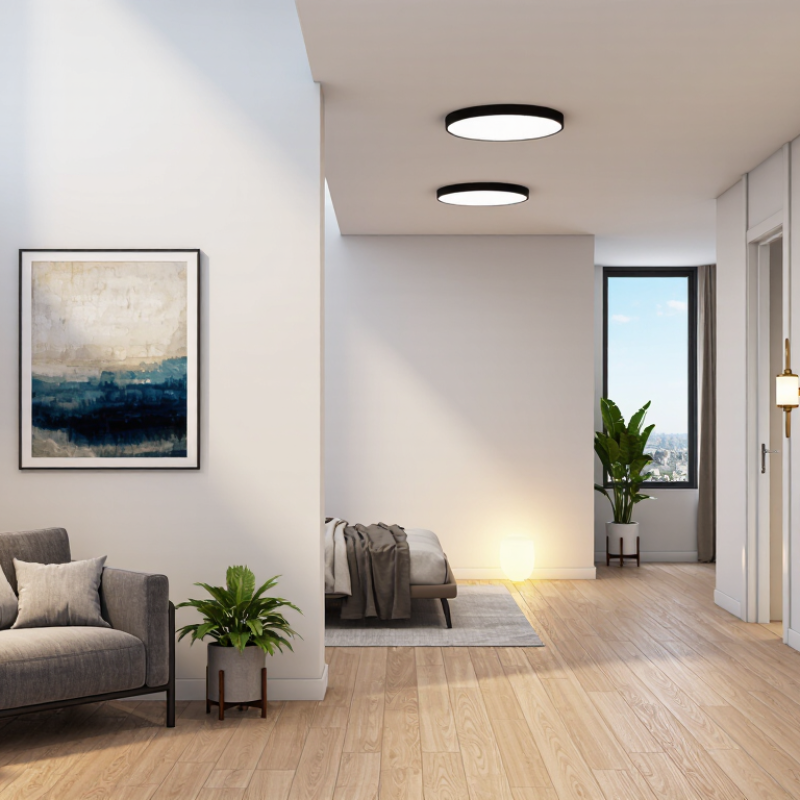
Understand the Purpose and Types of Wall Lights
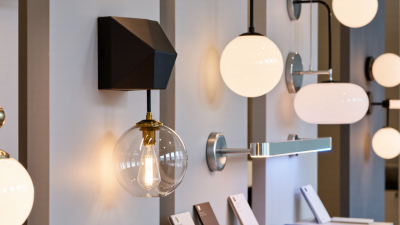
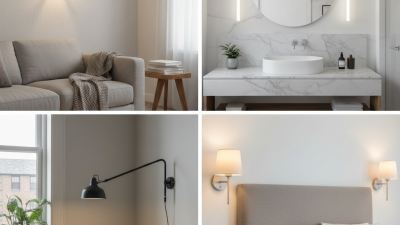
Wall lights serve different jobs, so choose their purpose before choosing a shape. Ambient sconces soften a dim hallway, while adjustable swing-arm fixtures direct light onto a book or bedside table. Beside a bathroom mirror, paired vertical lights can illuminate the face more evenly than a single overhead source. Accent fixtures can graze a textured wall, but bright beams may exaggerate surface flaws. Keep it practical. Note where people read, dress, or pass through, then match the light to that activity.
Check the bulb type, beam direction, and dimming compatibility before buying.
The U.S. Department of Energy’s Energy Saver guidance reports that LEDs use at least 75% less energy and last up to 25 times longer than incandescent lighting.
This makes LED wall lights a sensible option for frequently used spaces, though the fixture still needs to suit the task. A warm, low-output sconce may feel restful beside a bed but prove frustrating for reading. That distinction is easy to miss. Measure the mounting height and mark the proposed position with tape; a few inches can change glare and shadows. Room layouts vary, so treat general placement advice as a starting point, not a rule.
Assess Room Layout, Mounting Height, and Light Direction
How to Choose Wall Lights in 2026?
Start with the room’s actual use, not the fixture’s appearance. In a narrow hallway, place lights to avoid dark gaps and keep projecting shades clear of shoulders. In a bedroom, check the light from the pillow, not just while standing. A layout sketch helps. Mark doors, mirrors, artwork, and furniture before choosing positions.
Mounting height depends on the fixture, ceiling, and sightlines. A useful starting point is 60–66 inches from the floor to the sconce’s center, then adjust to prevent exposed bulbs from shining into seated eyes. Beside a bed, compare the light with mattress height and your reading position. Small changes matter. This is easy to misjudge.
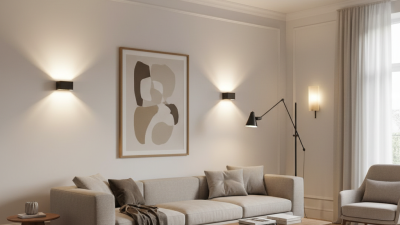
Choose direction to suit the task. Upward light softens a room, while downward or adjustable beams can help with reading and dressing. The Illuminating Engineering Society’s Lighting Handbook gives task-based guidance; reading areas commonly need roughly 300–500 lux, though the right level varies with age, contrast, and ambient light. Check the surface where you read, rather than trusting a fixture’s rated output alone. A dimmer adds flexibility, but it cannot fix glare or poor placement. Measure at night.
Choose a Design, Finish, and Material for the Space
How to Choose Wall Lights in 2026?
Choose a Design, Finish, and Material for the Space
Start with what the wall light needs to do. Beside a bed, a shaded sconce can soften the room, while an adjustable arm directs light onto a book. In a hallway, a compact fixture with a diffused shade helps avoid harsh glare at eye level. Check the bulb’s color temperature and color rendering index, too: warm light often feels comfortable in living areas, while accurate color rendering matters near a dressing mirror. Small details matter.
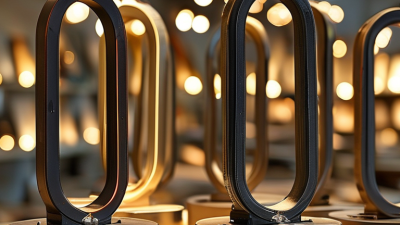
Treat finishes and materials as part of the room, not isolated samples. Brushed metal can echo cabinet hardware, while ceramic or glass adds texture to a plain painted wall. In bathrooms, verify the fixture’s damp- or wet-location rating against its exact installation position; a beautiful finish cannot replace the right protection. For efficiency, the U.S. Department of Energy’s Energy Saver guidance says LEDs use up to 90% less energy and last up to 25 times longer than incandescent bulbs. Choose an LED-compatible fitting, and check whether its light source is replaceable. I still find finish samples a little deceptive: daylight and warm bulbs can make the same metal look noticeably different, so test one near the actual wall before committing.
Compare Brightness, Color Temperature, and Bulb Options
Wall lights in 2026 should suit both the task and the room. Compare lumen output rather than watts; watts measure energy use, not perceived brightness. A focused bedside light around 300–500 lumens may work for reading, though shade, distance, and personal preference all affect the result. One sconce rarely lights a whole room evenly. Check the beam direction and whether the fixture can be dimmed.
Color temperature changes how a room feels. Around 2700–3000K gives a warm, relaxed glow, while 3500–4000K can feel clearer for grooming or focused tasks. Matching nearby lights helps avoid an oddly patchy look. For bulbs, confirm the socket type, maximum wattage, and dimmer compatibility before buying. Replaceable bulbs are easier to swap; integrated LEDs can offer a slim design, but replacing the light source may mean replacing the fixture. A showroom sample can look different at home, so the choice may take some trial and adjustment.
Tips: Read labels carefully. Compare lumens and Kelvin, not just appearance. If possible, test the light after dark, with your usual curtains and wall colors. Small details matter. A glossy shade may create glare, even when the brightness seems right on paper.
How to Choose Wall Lights in 2026
Compare brightness, color temperature, and bulb options to find a wall light suited to its location and purpose.
Brightness
These bars show representative starting targets per fixture. Typical ranges are about 100–200 lumens for accent lighting, 200–400 for general ambient light, 300–500 for bedside reading, and 400–800 for task lighting. Shade design, room size, and mounting position affect the light you experience.
Color temperature
Choose 2700–3000K for a warm, relaxed feel, around 3000–3500K for a balanced everyday white, or 4000K for a cooler, more task-focused look. Use a consistent color temperature where nearby lights are seen together.
Bulb options
Integrated LED fixtures have a built-in light source. Replaceable LED bulbs are easier to change and offer more choice. Smart LED bulbs can provide dimming or adjustable color, but check the fixture’s base, dimmer compatibility, and available space.
Check Installation Requirements, Controls, and Safety Standards
Before choosing wall lights in 2026, check how each fixture mounts and where its power comes from. Measure the junction box, wall space, and clearance from doors or shelves. A light that looks compact online may project several inches into a narrow hallway. Measure twice. In bathrooms or covered outdoor areas, confirm the fixture’s location rating suits the exact spot.
Check whether installation needs new wiring, stronger wall support, or only an existing junction box. Heavy fixtures may need secure backing, not just drywall anchors. Controls matter too: verify that a dimmer works with the light’s bulbs or built-in driver. For smart controls, check the required wiring and connectivity before buying. Local electrical rules can vary, so ask a qualified electrician when wiring or placement is uncertain. Small details are easy to miss.
Tips: Photograph the wiring before work begins, and keep the fixture instructions nearby. Test the switch and dimmer before sealing covers or moving furniture back. It is tempting to focus on finish and brightness; I’d check access for future bulb changes, too. It is not always obvious.