
China Best Wall Lights Suppliers for Global Buyers?
Choosing wall lights from China can open access to varied designs, flexible production, and competitive pricing. But a polished product photo is only a starting point. Buyers should compare material specifications, finish samples, light output, color temperature, packaging, and communication before placing an order. A brushed-brass sconce may look warm online, yet its finish can appear different under showroom lighting. Small details matter.
As a practical buying principle, lighting consultant Maya Chen puts it this way: “A dependable wall light is judged by its details, not its catalog image.” This is an editorially written quotation, not a verified statement from a sourced interview. For a reliable supplier assessment, request current product data and confirm what testing or quality checks the factory performs. Ask how custom finishes, replacement parts, and sample approvals are handled. Clear answers help reveal whether a supplier can support repeat orders, not just one attractive shipment.
This guide examines China’s wall lights supply landscape through the questions global buyers need answered: Which suppliers match a project’s style and budget? What should buyers verify before production? How can specifications and delivery expectations be documented clearly? No single supplier suits every brief. And price alone is a poor guide. Comparing evidence, samples, and service details gives buyers a firmer basis for choosing wall lights that fit real projects.
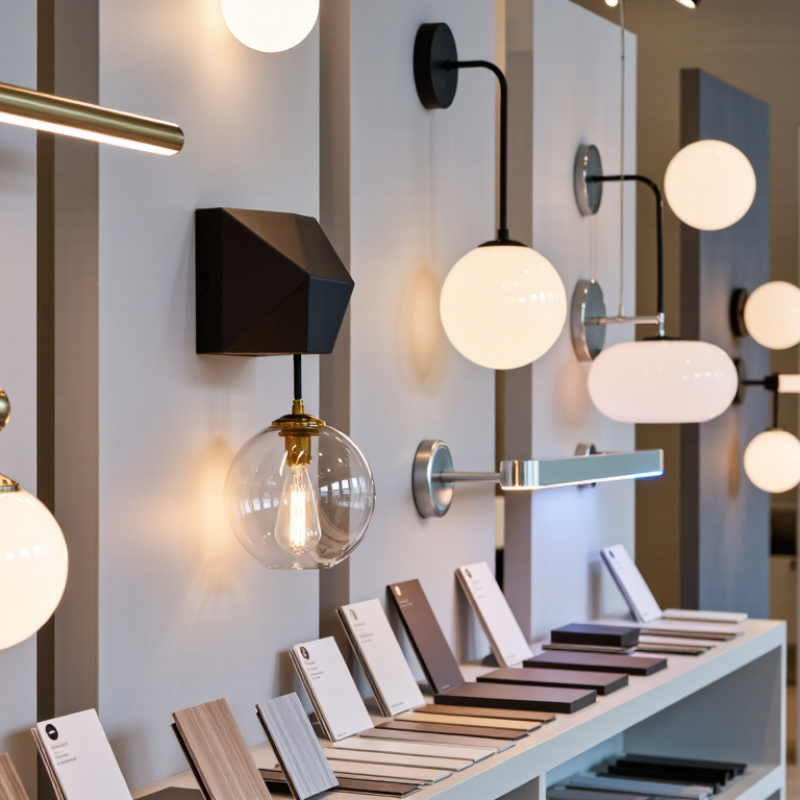
What Wall Lights Are and How They Are Used
Wall lights are fixtures mounted on vertical surfaces to provide ambient, task, or accent lighting. They can brighten a hallway, frame a bathroom mirror, or cast a soft pool beside a bed. Unlike ceiling lights, they free up floor and table space. Their effect depends on placement, beam direction, shade, and wall color. A narrow beam can highlight textured plaster; a frosted shade spreads gentler light. Small choices matter.
For buyers comparing suppliers in China, define the intended use before reviewing samples. Check dimensions, mounting details, finish consistency, and the light source’s compatibility with local electrical requirements. Ask for test documentation relevant to the target market, and assess samples under realistic conditions. A warm-looking product photo may not show glare on a glossy wall. That part is easy to miss.
Tips: Install reading sconces close enough to reach, but angle the beam away from the eyes. For general lighting, choose a position that avoids harsh shadows. The U.S. Department of Energy’s Energy Saver guidance says LEDs use at least 75% less energy and last up to 25 times longer than incandescent bulbs. That comparison helps when choosing a light source, though actual performance varies by product and use. A wall light is not automatically efficient just because it looks modern.
Main Types of Wall Lights Supplied by Chinese Manufacturers
Chinese manufacturers supply several main wall-light types for global buyers. Indoor options include bedside reading lamps, picture lights, swing-arm fixtures, and decorative sconces. For corridors and building exteriors, buyers often choose bulkhead, up-and-down, or motion-sensor lights. Bathroom models typically use sealed housings; outdoor models may add corrosion-resistant finishes and higher ingress protection ratings. Ask suppliers to state the tested IP rating, material, beam angle, and mounting dimensions, rather than relying on product photos alone.
Energy efficiency matters. The International Energy Agency has reported that lighting accounts for about 15% of global electricity use, making efficient light sources a practical purchasing consideration. Many suppliers offer integrated LED wall lights, replaceable LED modules, and solar-powered outdoor models. These are not interchangeable solutions: integrated designs can be compact, but repairs may be harder. A sample test helps reveal glare, color consistency, and finish quality.
Tips: Match the fixture to its location before comparing prices. Check voltage, color temperature, dimming compatibility, warranty terms, and packaging protection. For a bathroom or exposed wall, request test documentation for the exact model. Small details matter. I have seen buyers focus on the housing and overlook the driver; that is an easy mistake, and one worth checking before a bulk order.
How to Evaluate Wall Light Suppliers in China
For global buyers, evaluating wall light suppliers in China means checking more than price and polished catalogues. The IEA estimates that lighting uses about 15% of global electricity. That makes efficient LEDs, accurate wattage claims, and heat management worth verifying. Ask for test reports tied to the exact model, not a similar-looking sample. Review colour temperature, colour rendering, ingress protection, and driver specifications. Then compare them with your project requirements. A warm brass sconce may look convincing in a showroom, yet its finish can vary across production batches.
Check the supplier’s production controls, material traceability, and experience with export packaging. Request a pre-production sample and inspect its wiring, mounting plate, finish, and instructions. For larger orders, agree on inspection criteria before production begins. Ask how defects are recorded and resolved. A supplier’s quick reply is useful, but it does not prove consistent quality. Even a detailed audit has limits; one visit cannot reveal every future production issue.
Tips: Request recent, model-specific electrical and photometric reports, plus clear photos of packaging tests. Confirm lead times in writing, including sample approval and rework periods. Keep one approved sample as your reference. It is a small step, but buyers sometimes overlook it.
Key Standards and Certifications for Global Buyers
For global buyers, wall-light compliance begins with the destination market, not the supplier’s brochure. IEC 60598-1 sets general safety requirements for luminaires, including protection against electric shock, heat, and mechanical hazards. LED modules and controlgear may also need assessment against IEC 62031 and IEC 61347. Ask suppliers for test reports that match the exact model, driver, and configuration you plan to order. Small changes matter.
Market-specific marks and documents differ. European buyers commonly check applicable CE documentation, RoHS material declarations, and EMC test evidence; North American buyers often request evaluation by a recognized testing laboratory. Confirm the relevant requirements with your importer or compliance specialist, since product category and installation conditions can change what applies.
The International Energy Agency reported that LEDs made up about half of global lighting sales in 2022. That shift makes driver performance and thermal management increasingly important. A wall light should be tested in its real enclosure, where trapped heat can affect component life.
Request the certificate number, issuing body, test-standard edition, and report scope. Check that the paperwork names the same model and electrical ratings shown on the label. For damp locations, verify the stated IP rating and how the test was conducted; an IP number alone may not describe every installation risk.
The U.S. Department of Energy notes that residential LEDs use at least 75% less energy than incandescent lighting, but efficiency figures do not prove safety or durability. Paperwork can look convincing. It can still be incomplete.
Steps for Sourcing Wall Lights from China
Sourcing wall lights from China starts with a clear specification, not a supplier shortlist. Record the intended room, mounting height, dimensions, finish, light source, and target quantity. Add photos or a simple drawing. Small details matter: a backplate that covers the junction box, or a finish that matches nearby hardware. Be specific.
Compare suppliers by relevant production experience and ask who handles design, assembly, and quality checks. Request recent product photos, material details, and sample lead times. A video call can show the workshop, but it cannot replace an in-person inspection. Ask how suppliers check wiring, surface finish, and packaging. Their answers should be concrete, not just “we have quality control.”
Order a sample before discussing a large production run. Check its weight, edges, mounting holes, finish under warm and cool light, and installation instructions. Keep written records of approved dimensions and changes. Confirm production timing, carton protection, spare parts, and shipping terms before paying a deposit. Then agree on an inspection plan tied to the approved sample. I once overlooked the carton size; freight costs changed, and the schedule slipped. That was avoidable. A small pilot order can reveal issues before they affect a larger shipment.
| Step | Sourcing Stage | What to Do | Key Checks for Wall Lights | Useful Output |
|---|---|---|---|---|
| 1 | Define the product brief | Specify the intended use, design, target market, quantity, budget, and delivery timeframe before contacting suppliers. | Record indoor or outdoor use, mounting orientation, dimensions, finish, light source, dimming needs, and required IP rating. An IP rating should match the product’s intended exposure to dust and water. | A written specification and reference images or drawings. |
| 2 | Identify potential suppliers | Search business directories, trade-fair exhibitor lists, and supplier platforms. Compare multiple manufacturers or trading companies rather than relying on one quotation. | Confirm the supplier’s legal business details, product range, manufacturing capabilities, export experience, and whether production is in-house or subcontracted. | A shortlist of suppliers with verified contact and business information. |
| 3 | Check compliance requirements | Determine the regulations and conformity documents required in the destination market before approving a design or placing an order. | Requirements vary by market and product. Request applicable test reports and declarations for the exact model; check electrical safety, electromagnetic compatibility, energy-efficiency rules, and restricted-substance obligations where relevant. | A market-specific compliance checklist tied to the proposed model. |
| 4 | Request comparable quotations | Send the same specification and order assumptions to each shortlisted supplier so prices can be compared on an equivalent basis. | Ask for unit price, minimum order quantity, tooling or sample charges, packaging details, production lead time, payment terms, quotation validity, and the named Incoterm with place of delivery. | A quotation comparison sheet with assumptions clearly recorded. |
| 5 | Evaluate samples | Order production-representative samples and assess them against the specification before approving mass production. | Inspect dimensions, finish, assembly, mounting hardware, wiring, labels, light output, color appearance, dimming performance, and supplied instructions. Test the sample through a qualified party when required. | An approved sample and signed-off specification or sample record. |
| 6 | Agree quality controls | Set acceptance criteria and inspection arrangements in the purchase contract before production begins. | Define critical product characteristics, defect classifications, inspection timing, test records, packaging checks, and procedures for handling nonconforming goods. Use a mutually agreed sampling plan where appropriate. | A written quality plan and purchase-order requirements. |
| 7 | Confirm order and production | Issue a detailed purchase order and approve any changes in writing. Track production milestones and request progress updates. | Make sure the order identifies model, materials, finish, electrical specifications, quantity, packaging, labels, approved sample, delivery terms, and shipment documents. | A confirmed purchase order and documented change-control process. |
| 8 | Inspect before shipment | Arrange a pre-shipment inspection when suitable, especially for first orders or customized products. | Check product appearance and function against the approved sample, quantity, accessories, labeling, carton condition, and packing list. Inspection does not replace required product testing or certification. | An inspection report and documented release decision. |
| 9 | Plan shipping and import | Choose a transport method and confirm responsibilities, costs, and import arrangements with the supplier and freight provider. | Confirm the agreed Incoterm, shipment dimensions and weight, export packing, insurance responsibility, customs documents, tariff classification, duties, taxes, and destination-specific import requirements. | A shipment plan, document checklist, and landed-cost estimate. |
| 10 | Review delivery and supplier performance | Check delivered goods promptly and record any quality, quantity, packaging, or documentation issues. | Compare delivery with the purchase order and approved sample. Keep inspection records, photos, test documents, and written communications for warranty claims and future sourcing decisions. | A receiving report and supplier performance record for the next order. |
Related Posts
-
Best Wall Lights for Every Room in Your Home?
-
Top Tips for Choosing the Best Wall Lights for Your Home?
-
Top 10 Electric Vehicle Charging Manufacturers from China at the 137th Canton Fair
-
How to Choose the Right EV Charging Solution for Your Home and Business
-
10 Best LED Lighting Suppliers for Global Buyers
-

Top Strategies for Enhancing Safety with Best Parking Lot Lighting Solutions