10 Best LED Lighting Suppliers for Global Buyers
Choosing among the 10 Best LED Lighting Suppliers for Global Buyers requires more than comparing prices. Buyers need dependable product performance, clear technical documentation, and support that continues after delivery. A low quote can look attractive, but differences in light output, color consistency, warranty terms, and lead times may change the real cost.
The U.S. Department of Energy’s Energy Saver guidance reports that residential LEDs use at least 75% less energy and last up to 25 times longer than incandescent lighting. These figures explain why LED lighting is central to efficiency upgrades. They are not guarantees for every product or installation. Actual results depend on operating hours, heat management, dimming compatibility, and the conditions at the site.
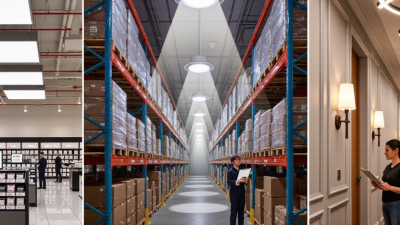
Details matter. Ask suppliers for tested lumen output, color temperature, color-rendering data, photometric files, and written warranty coverage. For a warehouse project, for example, buyers may need high-bay fixtures with carefully controlled glare. A hotel renovation may place greater value on warm color quality and smooth dimming. The best supplier is the one that can match documented performance to the application, then explain any trade-offs plainly.
Still, comparisons are imperfect. Samples may not represent every production batch, and delivery estimates can shift. This guide evaluates suppliers through practical criteria: product range, technical transparency, manufacturing capability, export experience, and customer support. Its shortlist is a starting point, not a substitute for checking references, samples, and project-specific requirements.
How Global Buyers Define Their LED Lighting Requirements
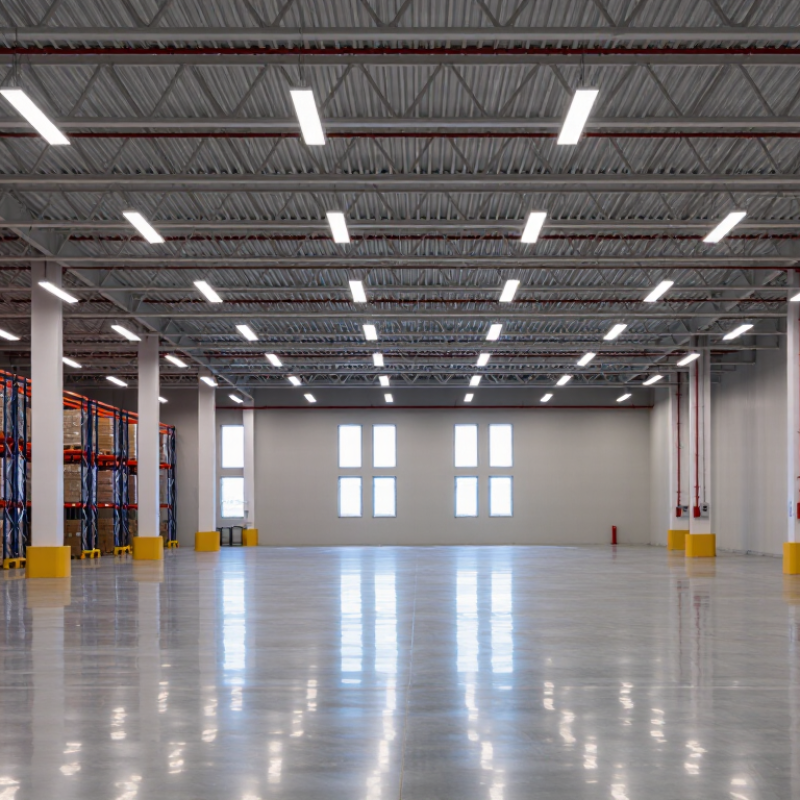
Global buyers define LED lighting requirements by the space, task, and operating conditions, not wattage alone. A warehouse aisle needs different light distribution from a hotel corridor or a machine-inspection bench. Record ceiling height, mounting position, working-plane illuminance, and expected operating hours. Include ambient temperature, dust, moisture, and vibration where relevant. Small details matter.
Then specify measurable performance. Set targets for illuminance, uniformity, color temperature, color rendering, glare, and flicker. Choose beam angles to match the layout, rather than relying on a fixture’s headline lumen rating. Check dimming compatibility, input voltage, frequency, and control protocols. For outdoor or washdown areas, state the required ingress protection level. Define lifetime expectations clearly, including lumen maintenance and the conditions behind any rated hours.
A practical specification also describes evidence required from suppliers: current datasheets, photometric files, sample test results, and applicable conformity documents for the destination market. Review these against a sample installation; a drawing alone may not reveal glare on a glossy floor or uneven light between shelves. In procurement reviews, the overlooked issue is often maintenance access. A low-cost fixture can become expensive when replacement requires a lift and aisle shutdown. Even careful requirements miss something. Revisit them after a mock-up.
Key Criteria for Evaluating LED Lighting Suppliers
A dependable LED lighting supplier should provide clear evidence, not just attractive product photos. Ask for current test reports, rated lumen output, color temperature, color rendering index, and power consumption. Details matter. Compare samples under the same conditions, since a warm showroom can make inconsistent color tones harder to notice. Ask how the supplier checks products across different production batches.
Technical claims need context. Review heat-management design, driver specifications, dimming compatibility, and expected operating life. A high efficiency figure means little if the fixture overheats in an enclosed ceiling. Request installation guidance and clarify which environmental conditions the test results cover. Ask for proof. If answers are vague, pause and verify them before placing a large order.
Delivery and after-sales support also affect a project’s real cost. Confirm lead times, minimum order quantities, packaging methods, spare-part availability, and warranty handling in writing. Check whether the supplier can support local voltage and plug requirements, and whether replacement parts will remain available. A video call from the production floor may help, but it is not a substitute for independent documentation. No checklist catches everything; even careful buyers can miss details when schedules are tight.
Ten LED Lighting Suppliers Serving International Buyers
Ten LED lighting suppliers serving international buyers can differ sharply in engineering support, production capacity, and export experience. Compare more than price. Ask for product-level photometric files, warranty terms, sample lead times, and clear answers about replacement parts. For a warehouse project, a useful supplier can explain beam angles and show how a fixture performs at the specified mounting height. A polished catalog is not proof of consistent production.
Tips: Request a sample. Check the test report. Confirm who handles warranty claims in your region. Small details matter.
Energy performance deserves careful checking. The U.S. Department of Energy’s LED lighting guidance reports that residential LEDs use at least 75% less energy and can last up to 25 times longer than incandescent lighting. These figures are a useful benchmark, not a guarantee for every commercial fixture or operating condition. For shortlisted suppliers, compare measured output, efficacy, color consistency, and thermal performance under stated test conditions. Ask whether reports match the exact model being quoted. Sometimes buyers overlook that detail. Also check packaging, spare-driver availability, and response times across time zones; these practical measures often reveal how well a supplier supports international projects.
How Suppliers Compare in Products, Certifications, and Support
For global buyers, supplier comparisons should begin with the actual lighting task: a warehouse high bay, a damp stairwell, and a retail display need different optics, controls, and thermal design. The IEA’s 2017 report, Energy Efficiency 2017, notes that lighting uses about 15% of global electricity. That makes tested performance more than a catalog claim. Ask for independent photometric reports, lifetime test conditions, and a clear distinction between luminaire efficacy and LED-chip efficacy. Small details matter. Check glare, flicker, driver replacement, and whether dimming works with your control system.
Certifications and support reveal how well a supplier handles risk after shipment. Verify that test documents match the exact model, voltage, and manufacturing site; a certificate for a similar product is not enough. Depending on the destination, buyers may need safety and electromagnetic-compatibility evidence, plus material and energy documentation. The U.S. Department of Energy’s 2020 Energy Savings Forecast of Solid-State Lighting estimated that LED adoption could save 569 terawatt-hours in the United States in 2035, compared with its baseline scenario. Savings depend on real installation and controls, though. Paperwork can look perfect. Ask who handles warranty claims, spare drivers, and technical questions across time zones. Response promises are easy; a named contact and documented service process are better. Even careful buyers miss things. Review a sample unit before approving a large order.
How to Verify and Select a Supplier for Your Project
When evaluating an LED lighting supplier, look beyond product photos and headline prices. Ask for a current datasheet that lists wattage, lumen output, color temperature, color rendering index, and operating temperature. Check that the specifications match your project, not just a similar product. Small details matter.
Request test reports for the exact model you plan to buy. Confirm the report names the product and comes from a competent testing laboratory. Check whether any claimed certificates can be verified with the issuing body and apply to your destination market. A certificate alone does not guarantee consistent production. Ask how the supplier controls component changes and tracks product batches.
Order a sample and test it in the intended space. Note flicker, glare, color consistency, and how the fixture handles heat after several hours. Ask about warranty coverage, replacement parts, lead times, and packaging before discussing a large order. If possible, speak with recent customers whose projects resemble yours. A factory visit or live video inspection can clarify production and quality checks, though neither replaces independent testing. I would not treat a polished brochure as proof; it is easy to overlook a mismatch between the sample and the bulk order. Put approved specifications and inspection criteria in writing before production starts.