What Are the Best Track Lights to Buy in 2026?
Choosing the best track lights in 2026 depends less on a flashy finish than on how a room is used. A kitchen island needs clear, focused light; a living room may benefit from adjustable heads that highlight artwork without creating glare. Track lighting can serve both purposes, but only when the beam, brightness, and layout fit the space. No single fixture wins everywhere.
This guide compares track lights by practical details: track compatibility, head adjustability, light output, color temperature, dimming support, and the availability of replacement parts. Manufacturer specifications matter, especially when checking whether a fixture works with an existing track. A product photo cannot confirm that. We also consider installation needs and whether the design makes sense for low ceilings or long hallways. Small details count.
Look beyond the package claims. A high lumen rating may feel harsh in a compact room, while a narrow beam can leave nearby surfaces dim. Warm or neutral light can also change how paint and wood appear. There is a trade-off. Energy use and build quality deserve attention, too, though the lowest price is not always the best value. Even careful research has limits: specifications cannot fully predict how light will feel at home. Use this overview to narrow your options, then verify measurements, compatibility, and current product details before buying.
How Track Lighting Systems Work and Where They Are Most Useful
Track lighting uses a powered rail and movable heads to deliver light where a room needs it. Each head connects through an adapter, then aims along the rail or toward a chosen surface. The rail must match the fixtures and electrical supply; similar-looking systems are not always compatible. Check dimmer compatibility and total load before choosing. Small details matter.
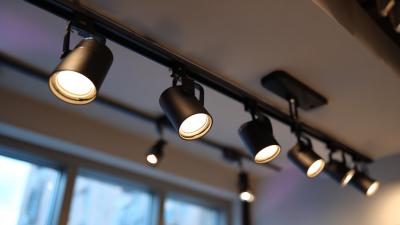
In 2026, the best track lights are not simply the brightest ones. Look for adjustable heads, suitable beam angles, and a layout that fits the room. A narrow beam can highlight a framed print, while a wider beam works better over a kitchen counter. In galleries, shops, and home workspaces, movable heads make it easier to redirect light when displays or furniture change. That flexibility is useful. It can also create glare if a beam points toward eye level or a glossy screen.
Measure the rail path and ceiling height before buying. In a low room, bulky fixtures may feel intrusive; in a long room, one short rail can leave dark patches. I would treat product specifications as a starting point, not a guarantee, because wall color and existing daylight change how light feels. For new wiring or uncertain compatibility, ask a qualified electrician to check the installation. Track systems are adaptable, but not perfect for every ceiling.
Which Track Light Types Suit Different Rooms and Lighting Needs
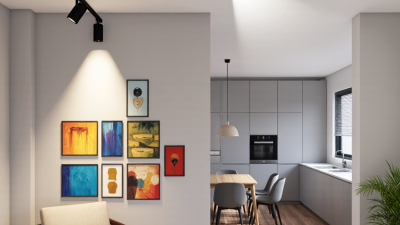
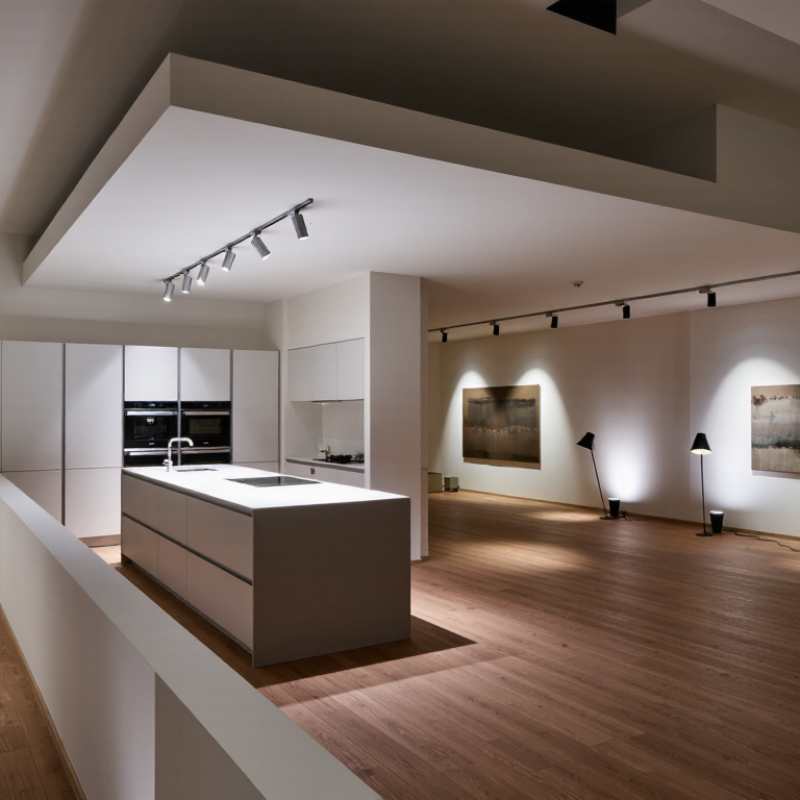
Track lighting should match the room’s task, ceiling height, and glare risk. Adjustable spot heads suit kitchens: aim one at the counter and another toward the sink, rather than lighting only the floor. For artwork or bookcases, narrow-beam heads create focused accents; wider beams work better for general living-room light. Wall-wash heads soften a hallway or textured wall. Pendant track fixtures can bring light closer to a dining table, but may feel intrusive beneath a low ceiling. Check the track’s electrical system and fixture compatibility before buying.
For home offices, choose adjustable heads with diffused, dimmable light, and position them to avoid screen reflections. Fixed heads are simpler, but offer less flexibility when furniture moves. Small detail, big difference.
The U.S. Department of Energy says LEDs use at least 75% less energy and can last up to 25 times longer than incandescent lighting. That efficiency helps, but it does not guarantee comfortable light.
A neat ceiling plan can still produce harsh glare; test beam angles at night if possible. The right choice is often less about adding more heads and more about aiming fewer heads well.
What Features to Compare When Buying Track Lights in 2026
What Are the Best Track Lights to Buy in 2026?
What Features to Compare When Buying Track Lights in 2026
When comparing track lights, start with the room and the job. A kitchen counter needs focused light, while a living room may benefit from adjustable heads and softer coverage. Check brightness in lumens, not watts alone. Then compare color temperature and color rendering index (CRI). A high CRI can make food, artwork, and fabric look closer to their natural colors. No fixture suits every room.
Compatibility matters. Track systems use different shapes and electrical connections, so confirm that each light fits your existing track before buying. Look for adjustable beam angles, especially if you need to illuminate both a work surface and a wall display. Dimming and smart controls can add convenience, but verify that the fixture and dimmer work together. Energy use, heat output, warranty terms, and installation requirements deserve a check, too. It is easy to overlook glare until the lights are installed.
Tips: Sketch the room and mark the areas you want to light. Compare beam direction and spacing before choosing fixtures. If specifications feel unclear, ask a qualified electrician to confirm compatibility. A little planning helps; it still cannot predict every shadow.
How the Best Track Light Options Differ by Use Case
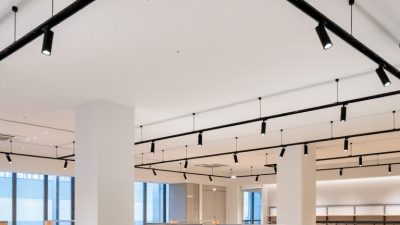
Track lighting is best judged by what it needs to reveal, not by fixture count. For artwork, choose adjustable heads with a narrow beam and high color fidelity; aim from the side to show texture without putting glare in a viewer’s eyes. In kitchens, wider beams over counters help reduce hard shadows from hands and utensils. For retail, a mix of broad ambient light and focused accents makes shelves readable while drawing attention to selected displays.
Efficiency matters, but it is not the whole decision. The U.S. Department of Energy’s LED guidance reports that LEDs use at least 75% less energy and can last up to 25 times longer than incandescent lighting. Those figures are useful benchmarks, though actual savings depend on the fixture, controls, and operating hours. For a low ceiling, check glare and head clearance before buying; a bright spotlight can feel harsh at eye level. IES lighting guidance also emphasizes matching illuminance to the visual task, so compare beam spread and output rather than relying on wattage alone. A dimmer helps. It may not fix poor aiming, and I have to admit that part is easy to overlook when choosing online.
How to Choose a Compatible Track System for Your Space
In 2026, the best track light is the one that fits your rail, not simply the brightest one.
Check the connector standard before comparing finishes: H-, J-, and L-style tracks are generally not interchangeable. Verify voltage, circuit count, and mounting style; a head may click into place yet still be electrically incompatible. The U.S. Department of Energy’s 2020 U.S. Lighting Market Characterization found that LEDs made up about 47% of installed lighting. Efficient LED heads are common, but track systems are not universal. Measure ceiling height and the surface you want to light. A narrow beam can highlight a kitchen island, while a wider beam can soften a hallway.
For a practical check, photograph the rail end, adapter, and product label before shopping. Compare the replacement head’s adapter, wattage, and dimming method with a working fixture. In low-ceiling rooms, check glare from seated eye level; a bright exposed optic can feel harsh, even when illumination seems adequate. The Department of Energy says LEDs use at least 75% less energy than incandescent lighting, though actual savings depend on use and controls.
Small details matter. A wrong connector wastes more than a discount.
Tip: Confirm that the head, driver, and dimmer are compatible. If uncertain, ask a qualified lighting professional to verify the system before purchase.