shining bright

a British lighting manufacturer with a difference

Obsessed with solving problems, not just selling 'stuff': we were born from a belief that the lighting industry deserved better.

Why Choose an Off Road Dump Truck for Mining?

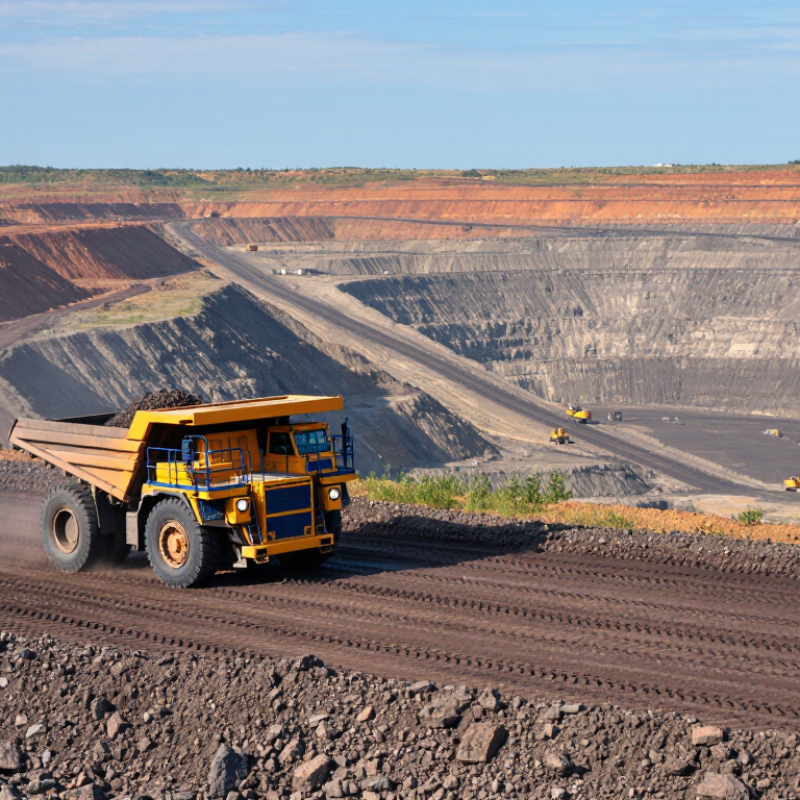
An Off Road Dump Truck is built for mining routes that would quickly challenge ordinary highway vehicles. Deep ruts, loose rock, steep grades, and heavy payloads demand strong frames, large tires, and reliable braking systems. On a working site, traction matters. So does the ability to keep moving through a full shift.

A truck’s value is not measured by payload alone. Mine operators also consider haul distance, road conditions, fuel use, tire life, service access, and the time required for repairs. A machine that looks powerful on paper may perform poorly if its size does not suit the haul road or loading equipment. Small mismatches can become costly.

As a practical field principle: “Choose the truck for the route, not just the load.” I cannot verify a named expert’s exact quotation from the material provided, so this line is an editorial summary, not a sourced quote. That distinction matters when comparing equipment claims. Buyers should review operating data, maintenance records, and site-specific assessments before deciding.

A well-matched Off Road Dump Truck can move more material with fewer trips and handle rough terrain with greater stability. But it is not automatically the right choice for every mine. Narrow benches, soft ground, or short haul cycles may favor a different configuration. The best decision begins with the actual site, not a brochure.
Why Choose an Off Road Dump Truck for Mining?

What Is an Off-Road Dump Truck in Mining?

An off-road dump truck in mining is a heavy-duty vehicle built to move rock, ore, and waste material along mine haul roads. Unlike a highway truck, it is designed for rough, uneven surfaces and repeated loading under demanding site conditions. Its large tires, reinforced frame, and high ground clearance help it travel over gravel, packed earth, and shallow ruts.

Some models use a rigid frame; others have an articulated joint that helps them turn on tighter routes. The right type depends on the mine’s terrain, haul distance, load size, and operating conditions. A truck may carry material from an excavator or loading shovel to a crusher, stockpile, or waste area. It is part of a larger system, so matching its payload to the loading and hauling equipment matters.

These trucks are not simply road vehicles with bigger tires. Their brakes, steering, visibility systems, and maintenance needs are suited to controlled work sites. Operators still need clear routes and regular inspections, especially after shifts on dusty or muddy ground. The term “off-road dump truck” can cover several designs, so the name alone does not reveal a vehicle’s exact capacity or best use. That distinction is easy to overlook.

How Do Mining Conditions Shape Truck Requirements?

Why Choose an Off Road Dump Truck for Mining?

Mining conditions shape truck requirements more than payload figures alone. Loose gravel, wet clay, and sharp rock each affect traction, tire wear, and stability. A truck that performs well on a dry haul road may struggle after rain softens the surface. Route gradients and tight loading areas also matter. They influence braking, turning space, and how safely a loaded vehicle can move. Rough ground is relentless.

An off road dump truck is designed for demanding, uneven routes and heavy loads. Its frame, suspension, tires, and drivetrain must work together under repeated impact. Buyers should compare rated payload with the actual material density, not just the planned load. Overloading can increase component stress and stopping distance. Maintenance access matters too: a machine that is difficult to inspect may spend more time waiting for repairs. Even good planning misses things.

Tips: Check road conditions across different seasons, and match tire choice to the site surface. Review turning radius, gradeability, braking performance, and service access before selecting a truck. Ask operators what fails most often on the current route. Their observations can reveal practical needs that a specification sheet cannot.

Which Advantages Support Mining Productivity?

Mining productivity depends on moving material safely and predictably, not simply choosing the largest truck. An off-road dump truck is built for unpaved haul roads, loose rock, and uneven ground. Its heavy-duty tires and reinforced frame help it keep moving where a road vehicle may struggle. That matters. A steady haul cycle can keep loaders supplied and reduce waiting at the loading face.

Payload capacity can also improve productivity when it matches the excavator, road condition, and dumping area. A truck that carries too little may require extra trips; an oversized unit can strain narrow ramps or wait longer to load. The best match is not always obvious. Fleet planners should compare typical payloads, travel distances, gradients, and turnaround times. Good visibility and responsive braking help operators manage tight turns and changing surfaces. Regular checks of tires, brakes, and hydraulic systems can prevent avoidable downtime, though inspections take time and need to fit real shift routines. Track cycle times and fuel use after deployment; expected gains may not appear on every route.

Why Choose an Off Road Dump Truck for Mining? - Which Advantages Support Mining Productivity?

Productivity Advantage How It Supports Mining Operations Relevant Truck Capability Best-Fit Conditions
High payload per trip Moves more material in each haul, which can reduce the number of trips needed for a given production target. Off-highway truck payload classes vary widely. As an indicative grouping, medium units may carry about 40–90 tonnes, large units about 90–200 tonnes, and ultra-class units more than 200 tonnes. Operations with suitable loading equipment, haul roads, dumping areas, and production plans for the selected truck size.
Purpose-built off-road design Components designed for demanding haul-road conditions can help the truck operate where ordinary road vehicles are unsuitable. Typically includes heavy-duty frames, off-highway tires, and driveline and suspension systems selected for loaded operation on mine roads. Rough, unpaved, or uneven routes within a mine site.
Adaptation to steep haul routes Appropriate drive systems and braking equipment help transport loads on grades while supporting controlled operation. Gradeability and braking performance depend on the truck model, payload, road surface, route gradient, and operating conditions; consult the manufacturer’s specifications and site assessments. Mines with significant elevation changes and haul roads designed for the selected truck.
Efficient loading and dumping workflow A truck matched to the loading tool and dump point can help limit waiting and keep the material-handling cycle coordinated. Body capacity, loading height, turning space, and dumping clearance should be matched to the shovel or loader and the site layout. Sites able to coordinate truck size, loading equipment, dispatch, and dump locations.
Configuration choices for different mine layouts Selecting the right truck type can improve access and maneuverability for the route rather than relying on one configuration for every site. Rigid-frame trucks and articulated dump trucks have different design characteristics; payload, turning needs, road conditions, and route geometry should guide selection. Both established haul-road networks and sites with tighter turns or less consistent terrain, depending on the chosen configuration.
Potentially lower haul cost per tonne When payload, availability, fuel use, maintenance, and cycle time are well matched to the mine plan, the cost of moving each tonne may be reduced. Evaluate total operating cost per tonne, including fuel, tires, maintenance, utilization, loading delays, and empty-return distance. Operations with reliable production and maintenance data for comparing truck options over the full haul cycle.

Payload groupings are indicative, not a universal industry standard. Actual capacity, performance, and productivity depend on truck specifications, site conditions, payload policy, haul distance, road design, and operating practices.

What Features Affect Safety and Operating Costs?

An off-road dump truck can improve mining productivity, but its safety depends on how it handles the site. High ground clearance helps it cross ruts and loose rock without scraping critical components. A stable chassis and suitable suspension reduce jolts on uneven haul roads. Visibility matters. Large mirrors, cameras, and well-positioned lights help operators spot people, berms, and other vehicles, especially in dusty conditions.

Braking capacity deserves close attention. Service brakes must suit the truck’s loaded weight, while retarders can help control speed on long downhill runs and reduce brake wear. Tire choice and condition affect traction, heat buildup, and the risk of costly downtime. Dust changes everything. Effective cab filtration can improve operator comfort and protect controls, though filters need regular inspection in harsh conditions. A feature list cannot predict every road; rain, loose material, and changing grades alter the risks.

Operating costs also depend on matching payload to the haul route. A truck that is too large may burn more fuel and strain roads, while an undersized unit can require more trips. Fuel use, tire life, and maintenance access all matter over a full shift. Daily checks can catch leaks, damaged hoses, or uneven tire wear before they become expensive failures. Still, inspections take time, and rushed checks can miss small problems.

Why Choose an Off-Road Dump Truck for Mining?

Payload capacity ranges by truck class, plus the features that influence mine-site safety and operating costs.

Payload ranges are general industry examples, not specifications for a particular truck; actual capacity varies by model and configuration.

What to evaluate: Payload capacity and fuel efficiency affect cost per tonne. Braking performance, visibility, rollover protection, tires, and operator-assistance systems influence safety. Match truck size to haul-road conditions and maintenance capability to avoid unnecessary fuel, tire, and repair costs.

How Should Mines Choose the Right Truck?

Choosing the right off-road dump truck starts with the haul road, not the brochure. Measure the loaded route, including its steepest grade, tightest turn, and roughest surface. A truck that carries more may still lose time if it struggles on a narrow bend or soft section. Check the payload against the excavator’s bucket size and the loading area’s limits. Mismatched equipment can mean extra passes, uneven loading, or avoidable wear. Small details matter.

Look closely at the full haul cycle. Record loading, travel, dumping, and return times during a typical shift. Then compare those figures with the truck’s payload, speed, braking performance, and fuel use under similar conditions. Dust, rain, heat, and altitude can change performance, so published figures are only a starting point. The best choice is not always the largest one. Sometimes, that is easy to forget.

Also assess visibility, cab comfort, maintenance access, and parts availability at the mine. Ask technicians how long routine inspections take and which components are difficult to reach. A truck that sits idle for a small repair can disrupt a whole loading plan. I would still leave room for uncertainty: road conditions change, and early estimates are often too neat. Test the proposed setup on representative routes before committing to a fleet-wide decision.

Our story

When The Light Went On

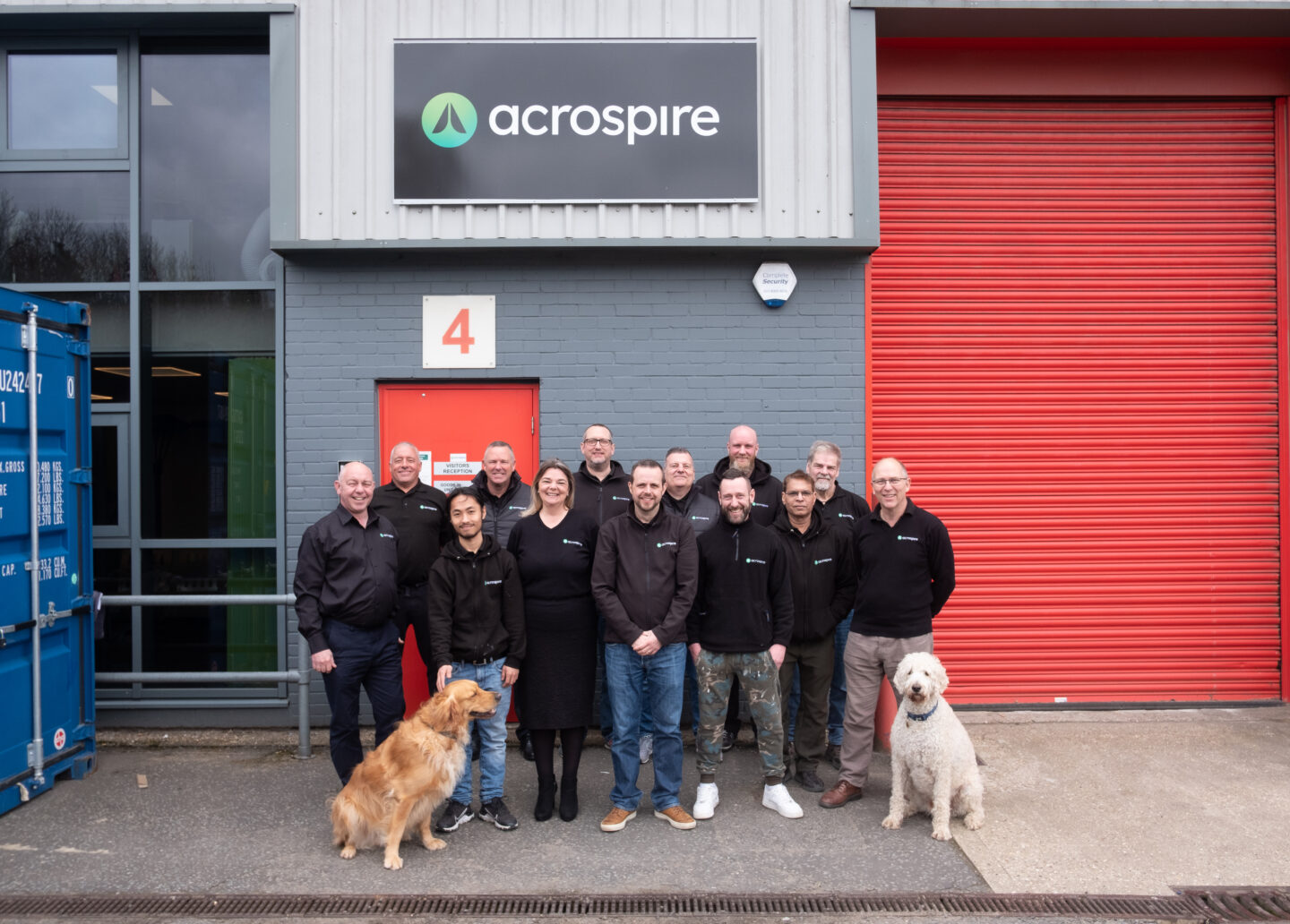
The idea for Acrospire was formed in 2012 when founder Tim envisioned a different kind of lighting manufacturer: one that would not only deliver outstanding customer experiences but also prioritise fair treatment for its employees.

We’ve come a long way

Working from any nook and cranny we could find

Motivated by the belief the industry wanted and needed better, Tim shared his plan to establish his own venture with Hatty, who simply couldn't let him do it alone.

The rest, as they say, is history.

Protecting local jobs and ensuring the best quality possible.

The products sold should, where possible be manufactured here in the UK

Working from a rented office by day and assembling lanterns in a garage at night, Tim and Hatty set to work.

11 Years later

and a lot has changed

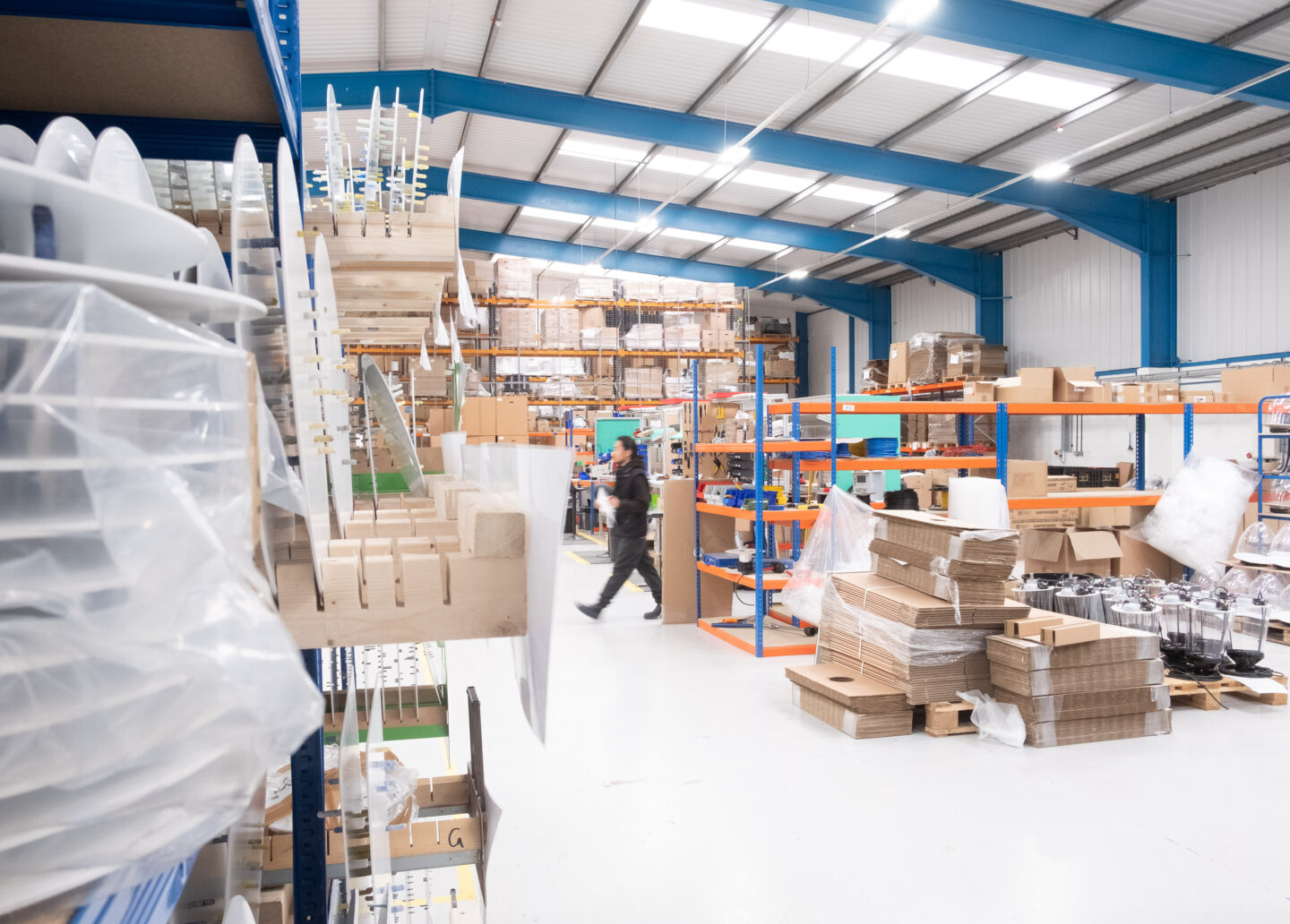
Acrospire now inhabits a 14000² ft manufacturing facility in Basingstoke, Hampshire. We’re a proud partner of the Made in Britain scheme, ISO9001 certified and a member of all relevant lighting industry trade bodies.

We've built a reputation to be proud of

Along with great relationships with our customers and a great team! We've attracted some of the most experienced members of the lighting industry, all by following one golden rule.

A simple ethos

Creating work to be proud of

That runs through all that we do. Customers who have made the switch to Acrospire have found working with us to be a breath of fresh air.

Market leading warranty

If you’re a professional in the lighting industry, you’re probably familiar with warranties that range from 3 to 10 years, with extensions available on special request or at additional cost. At Acrospire, where we’re proud to be different, we offer a market-leading simple 12-year warranty, as standard.

Tight Control on Quality

We focus on our customers not our competition. We manufacture our products in the UK: with the exception of our solar products, our supply chain is within a 60-mile radius of our factory in Basingstoke: to maintain greater control over quality. We al

Speed is key

Speed of response is crucial when it comes to resolving warranty issues. If we’ve made a mistake, we own it, get to the root cause, and fix it as quickly as possible. We believe in timely communication with our customers and making the resolution pro

Test and Test Again

We believe in independent testing and certification. Our new product development is in line with ISO 9001. Many of our products hold ENEC Certification. To meet the requirements of ENEC we also send random product samples for third party safety testi

Quality by design

Our product design is another key factor in our ability to offer a 12-year warranty. We value engineer rather than cost cut, never compromising on quality. We stick to our processes and engage with our supply chain to ensure that every product meets