Why Choose a PIR Sensor Switch for Global Sourcing?
Global sourcing teams often seek reliable lighting controls, lower operating costs, and stable supply. A Pir Sensor Switch can support these goals by detecting movement and controlling lights automatically. In a warehouse aisle, the lamp may turn on only when a worker approaches. In a hotel corridor, it can reduce unnecessary energy use during quiet hours.
Choosing the right model requires more than comparing unit prices. Buyers should review detection range, sensing angle, time delay, standby consumption, load capacity, and operating temperature. Voltage compatibility matters across different markets. Installation depth matters too. A compact switch may fit a shallow ceiling box, while another model needs additional space. Suppliers should provide clear datasheets, sample units, inspection records, and practical wiring guidance. Factory experience with batch testing can reduce inconsistent sensitivity, flickering, and early component failure.
Supply reliability also deserves close attention. A capable manufacturer should explain production capacity, component sourcing, quality controls, and packaging protection. Independent testing and recognized certifications may strengthen purchasing confidence, but documents should be verified rather than accepted blindly. Samples are essential. Real-site trials reveal problems that laboratory descriptions may miss, such as false triggers near air-conditioning vents or delayed detection in cold rooms. No product is perfect. Even a well-designed Pir Sensor Switch can need calibration for local conditions. Buyers may also discover that the cheapest option creates higher replacement and service costs. A careful sourcing process compares performance, documentation, communication, and long-term support. That is where informed purchasing begins.
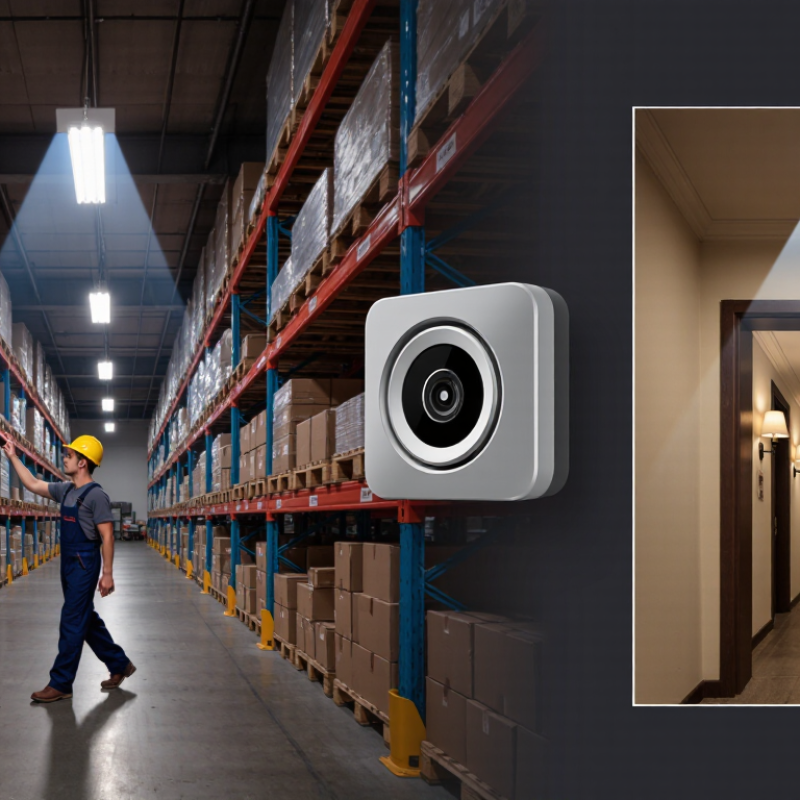
What Is a PIR Sensor Switch and How Does It Work?
Why Choose a PIR Sensor Switch for Global Sourcing?
What Is a PIR Sensor Switch and How Does It Work?
A PIR sensor switch detects changes in infrared radiation from moving people or objects. Its pyroelectric element responds when a warm body crosses its detection zones. A Fresnel lens divides the area into small sensing segments. Movement creates a temperature change between these segments. The controller then activates a light, fan, or other connected load. A stationary person may eventually disappear from detection. That limitation matters in offices, bathrooms, and storage rooms.
The IEA’s Energy Efficiency 2023 report states that buildings consume about 30% of global final energy. The U.S. Department of Energy reports that occupancy controls can reduce lighting energy use by roughly 20% to 60%, depending on application. Results vary with placement, user behavior, and control settings. PIR technology is practical, but it is not intelligent by itself. It may miss slow movement or respond to heat sources. Global sourcing therefore requires careful checks on detection range, mounting height, voltage, relay capacity, time delay, and ingress protection.
Tips: Test a sample in the real room. Walk across the sensor, not directly toward it. Check false triggers near heaters, windows, and air vents. Ask suppliers for detection diagrams, test records, and regional compliance documents. A lower purchase price can become expensive when calibration is poor. My own view is cautious: datasheets rarely show every installation weakness. Field testing still deserves priority.
Important Specifications for Comparing PIR Sensor Switches
When sourcing a PIR sensor switch globally, specifications matter more than appearance. I compare detection range, sensing angle, and mounting height under real room conditions. A device rated for twelve meters may perform poorly behind glass, near vents, or in direct sunlight. Detection quality depends on the lens, installation position, and surrounding temperature.
Electrical ratings deserve close attention. Check the input voltage, standby power, switching capacity, and compatible load types. LED lighting can create problems when the sensor supports only traditional loads. Adjustable time delay and daylight sensitivity also improve practical control. A short delay may waste energy in corridors, while a long delay can feel inconvenient in storage areas. Small details matter.
Environmental protection should match the installation site. An IP rating helps assess resistance to dust and moisture, especially for garages or covered outdoor spaces. Operating temperature, housing material, terminal quality, and wiring access affect long-term reliability. Ask for test reports, inspection records, and clear tolerance data. Avoid relying on marketing phrases alone. I once compared products mainly by detection distance, which was too simple. The wider range was not always better. A stable sensor with consistent trigger behavior often creates fewer service issues. Also check sample performance before placing a large order. Supplier communication can be excellent, but production results still need verification.
Why Choose a PIR Sensor Switch for Global Sourcing?
Important specifications for comparing PIR sensor switches: detection distance, sensing angle, standby power, response time, and rated load.
The chart uses representative specification values commonly found in general-purpose PIR sensor switches. Detection range and sensing angle indicate coverage, while low standby power and fast response time support energy efficiency and user comfort. Always verify the final operating voltage, load rating, environmental rating, and certification requirements before global sourcing.
How to Evaluate Suppliers, Quality, and Compliance
Why Choose a PIR Sensor Switch for Global Sourcing?
Selecting a PIR sensor switch starts with the supplier, not the catalog image. Request a complete specification sheet, circuit diagram, detection range, delay time, load rating, and operating temperature. A reliable supplier should explain testing methods clearly. Vague answers are warning signs. Ask for production samples from the same facility that will handle bulk orders. Test them in corridors, offices, and storage rooms. Fluorescent lighting, airflow, reflective surfaces, and small pets can affect performance.
Quality control must be visible and repeatable. Review incoming-material checks, assembly inspections, aging tests, and final functional testing. Compare several samples over repeated cycles, rather than trusting one perfect unit. Check terminal strength, enclosure fit, sensor response, and heat behavior under the rated load. Small defects often appear after installation. This part is easy to underestimate.
Compliance depends on the destination market and product design. Request current test reports, a declaration of conformity, material documentation, and applicable safety and electromagnetic compatibility records. Wireless versions may need additional radio approvals. Verify that documents match the exact model, factory, and component configuration. A certificate alone is not proof of consistent production. Factory audits, batch records, and change-control procedures provide stronger evidence. No checklist is perfect. Suppliers can also change components without making the risk obvious, so contract terms should require written notice, traceability, and re-testing when key parts change.
Installation, Applications, and Long-Term Maintenance Considerations
Why Choose a PIR Sensor Switch for Global Sourcing?
Installation quality strongly affects a PIR sensor switch’s performance. Mount it where people cross the detection area, not directly beside a heater or air vent. Keep the lens clear of shelving, curtains, and moving machinery. Before installation, confirm voltage, load capacity, wiring methods, and regional electrical requirements. A qualified installer should inspect the circuit and test detection from several angles. Small placement errors can cause missed movement or unnecessary switching.
PIR switches suit corridors, storerooms, offices, washrooms, and low-traffic utility areas. They can reduce wasted lighting when users forget to turn lamps off. However, performance changes with temperature, sunlight, airflow, and room layout. I have seen sensors trigger repeatedly near warm equipment. That problem was not a product defect; the location was poorly assessed.
Long-term maintenance should include lens cleaning, terminal checks, timing adjustments, and functional testing. Dust is easy to overlook. Replace damaged covers promptly, and record recurring faults for supplier discussions.
Tips: Request installation drawings, test samples, and technical specifications before bulk purchasing. Check detection range, time delay, standby consumption, and compatible lamp loads. Ask whether settings can be adjusted without removing the full unit. Keep spare units in dry storage. Review failure data every few months. A simple maintenance log often reveals patterns earlier than complaints. Allow some flexibility in your plan; real buildings rarely match the original layout.