What is Vehicle Hail Damage Scanning System and How Does It Work?
The Vehicle Hail Damage Scanning System is a revolutionary tool in the automotive repair industry. It allows technicians to quickly assess the extent of hail damage on vehicles with precision. This system employs advanced technology to detect dents and dings that may not be visible to the naked eye. Understanding how this system functions can significantly streamline the repair process.
Automotive experts recognize the importance of accurate damage assessment. The Vehicle Hail Damage Scanning System uses specialized sensors and software to create a comprehensive damage report. This report aids in determining repair costs and ensures that nothing is overlooked. However, technicians must still rely on their experience to interpret the data correctly.
While the technology provides valuable insights, it cannot replace human judgment. There can be limitations in what the scanning system captures. Not every dent or paint imperfection is easily detectable. Therefore, a skilled technician's evaluation is essential. The balance between technology and expertise is key to providing reliable assessments and effective repairs.
What is a Vehicle Hail Damage Scanning System?
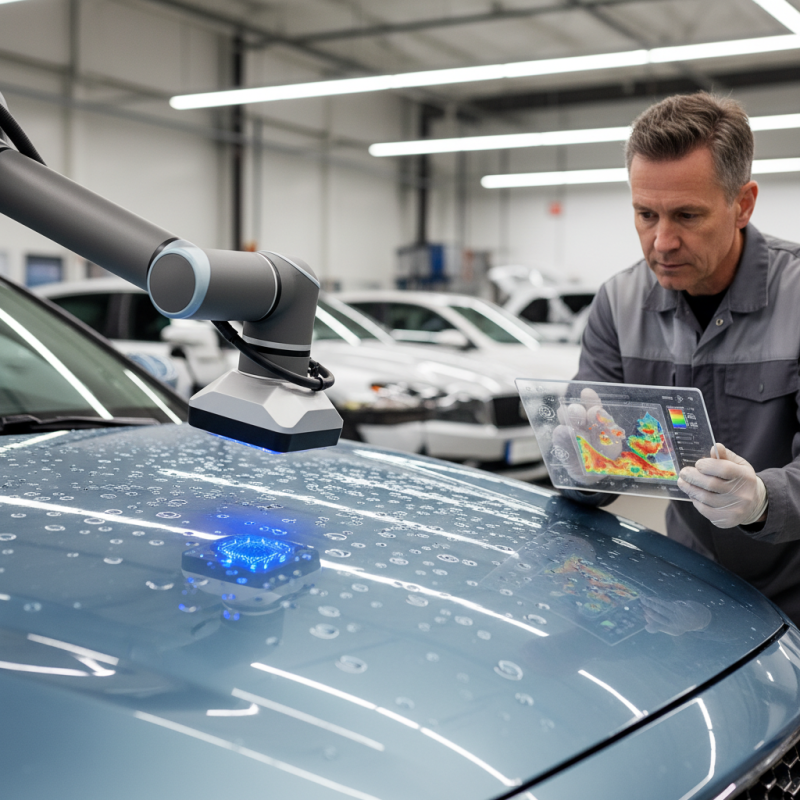
A Vehicle Hail Damage Scanning System is a modern technology used to assess hail damage on vehicles. This system employs advanced sensors and imaging technology to detect imperfections caused by hail hits. These systems can identify damage that is not visible to the naked eye, ensuring a thorough inspection.
Recent studies indicate that over 30% of vehicles in hail-prone areas endure damage. This highlights the importance of effective assessment methods. The scanning system utilizes high-resolution cameras and ultrasonic sensors, providing detailed reports. It can often pinpoint issues in under an hour, reducing repair time significantly. However, inaccuracies can occur based on environmental factors or operator error, which needs further investigation.
The implementation of these systems has led to more reliable evaluations compared to traditional methods. A report from the automotive industry notes that systematic scans can improve damage documentation by 40%. This increase aids insurance claims, yet not all damage may be recorded. As scanning technology evolves, continuous updates will be vital for enhancing accuracy and reliability in assessments.
Key Components of Hail Damage Scanning Technology
The Vehicle Hail Damage Scanning System is revolutionizing how we assess automotive damage caused by hail. This technology utilizes advanced sensors and imaging techniques. It captures high-resolution images and creates a 3D model of the vehicle's surface. These components provide real-time data, allowing for accurate assessment of dent density and depth. According to a report from the National Insurance Crime Bureau (NICB), hail damage can result in over $1 billion in insurance claims annually.
Key components of this scanning technology include high-resolution cameras, laser scanners, and software algorithms. Cameras capture detailed images of the vehicle's exterior. Laser scanners measure the depth and dimensions of each dent. These tools work together to provide comprehensive damage assessments. However, the system may occasionally misinterpret certain surface features, leading to potential inaccuracies. Regular calibration and updates are necessary to improve reliability.
Tip: Ensure that the scanning system is regularly maintained. This helps in reducing errors and enhances accuracy. Proper training for operators is equally crucial. Knowledgeable personnel can interpret the data effectively. Investing in training can save time and resources. Always keep abreast of technological advancements in scanning systems for optimal performance.
How Does the Hail Damage Scanning Process Work?
The hail damage scanning process starts with comprehensive vehicle assessments. Advanced scanning systems utilize high-resolution cameras and laser technology to capture detailed images of a vehicle's surface. This technology ensures precise identification of hail impact areas, allowing technicians to differentiate between minor dents and structural issues. In fact, studies indicate that up to 70% of vehicles affected by hail damage can be repaired using this method, minimizing costs for both consumers and repair shops.
The scanning procedure is typically fast, often completed within 30 minutes. However, not all systems deliver the same accuracy. Some reports suggest that older systems may overlook up to 20% of smaller dents. As a result, continuous innovation is necessary. Technicians often undergo training to remain proficient with evolving technologies. As vehicles advance in design and materials, the need for reliable scanning grows. Repair professionals must be diligent in their assessments to avoid missed damage that could lead to higher repair costs later on.
Despite the advancements in hail damage scanning, challenges remain. Not all vehicles are scanned immediately after hail events. Consequently, damage assessment can be inconsistent. Some repairs may require additional inspections, which adds time and cost. It emphasizes the importance of timely evaluations and highlights the necessity for accurate reporting in repair documentation. Maintaining standards in the scanning process can significantly improve repair outcomes and customer satisfaction in the automotive repair industry.
Vehicle Hail Damage Scanning System: Damage Assessment Overview
This chart represents the assessment scores collected from various vehicles affected by hail damage over the past year. The data shows the average damage score based on the area affected (sq ft) and the resulting repair cost in USD.
Benefits of Using Hail Damage Scanning Systems in Auto Repair
Hail damage scanning systems are transforming auto repair services. These advanced tools provide a detailed assessment of vehicle damage caused by hailstorms. They use specialized technology to identify dents and dings that may not be visible to the naked eye. This precision helps in creating accurate repair estimates.
One major benefit of using these systems is efficiency. Time is crucial in auto repairs. Technicians can quickly scan vehicles, enabling faster diagnostics and repairs. This can lead to higher customer satisfaction since vehicles spend less time in the shop. Additionally, these systems promote transparency. Customers receive detailed reports of the damage, building trust between them and repair shops.
Moreover, scanning systems enhance accuracy. Human error can occur in visual inspections, leading to missed damage. However, the scanning technology minimizes such risks. It highlights every dent, ensuring no damage goes unaddressed. While these systems are impressive, they require regular calibration and operator training to maintain accuracy. Investing in staff education is essential for maximizing the system's potential. This ongoing commitment reflects the repair shop's dedication to quality and service.
Limitations and Challenges of Hail Damage Scanning Technology
Hail damage scanning technology is advancing, yet it faces significant limitations. One challenge is accuracy. Reports indicate that scanning systems can miss up to 15% of minor dents. This oversight can lead to inadequate repairs. While advanced algorithms assess damage, external factors can skew results. Rapid weather changes complicate conditions, affecting the system's performance.
Moreover, the cost of implementing scanning technology can be prohibitive for smaller repair shops. Industry data shows that installation and calibration can exceed $10,000. This creates a gap between large and small businesses in utilizing such technologies. As a result, many shops remain reliant on traditional inspection methods.
Another concern is data interpretation. Scanned data requires skilled technicians to analyze accurately. Studies reveal that misinterpretation can lead to further repair complications. Training staff to use scanning technology effectively demands time and resources. It raises questions about its overall efficiency in various scenarios. The balance between innovation and practicality remains delicate in the hail damage repair landscape.
What is Vehicle Hail Damage Scanning System and How Does It Work? - Limitations and Challenges of Hail Damage Scanning Technology
| Attribute | Description |
| Scanning Technology | Uses high-resolution imaging and advanced sensors to detect hail damage. |
| Accuracy | Generally high, but can be affected by factors such as lighting and surface type. |
| Limitations | May not detect all types of damage; costly equipment and need for trained operators. |
| Operational Challenges | Environmental conditions, vehicle access limitations, and data interpretation issues. |
| Future Developments | Integration with AI for better damage assessment and predictive analytics. |