shining bright

a British lighting manufacturer with a difference

Obsessed with solving problems, not just selling 'stuff': we were born from a belief that the lighting industry deserved better.

Top Belt Conveyor Roller Manufacturers for Global Buyers

A belt conveyor roller may look like a simple steel cylinder, but its bearings, seals, shell, and balance can shape an entire conveying line. Poorly matched rollers can increase noise, belt wear, and maintenance stops. The consequences are tangible: dust around transfer points, hot bearings, and a line waiting for replacement parts. Small choices matter.

Global demand provides useful context. Grand View Research estimated the worldwide conveyor belt market at USD 6.9 billion in 2023 and projected a 4.3% compound annual growth rate from 2024 to 2030. That figure covers conveyor belts, not rollers alone, so it should not be treated as a roller-market estimate. Still, it reflects investment in material-handling systems across industries.

This guide compares belt conveyor roller manufacturers for buyers balancing load capacity, operating conditions, service support, and delivery reliability. Product sheets deserve close reading: roller diameter, wall thickness, bearing type, and sealing design affect performance under real operating conditions. A low purchase price can become costly when a roller fails early. Yet specifications do not tell the whole story; field performance and after-sales support matter too. No source material was provided for a verifiable quotation from a named roller expert, so I have not attributed a quotation that may be inaccurate. That gap should be resolved before publication.
Top Belt Conveyor Roller Manufacturers for Global Buyers

Understanding Belt Conveyor Rollers and Their Industrial Role

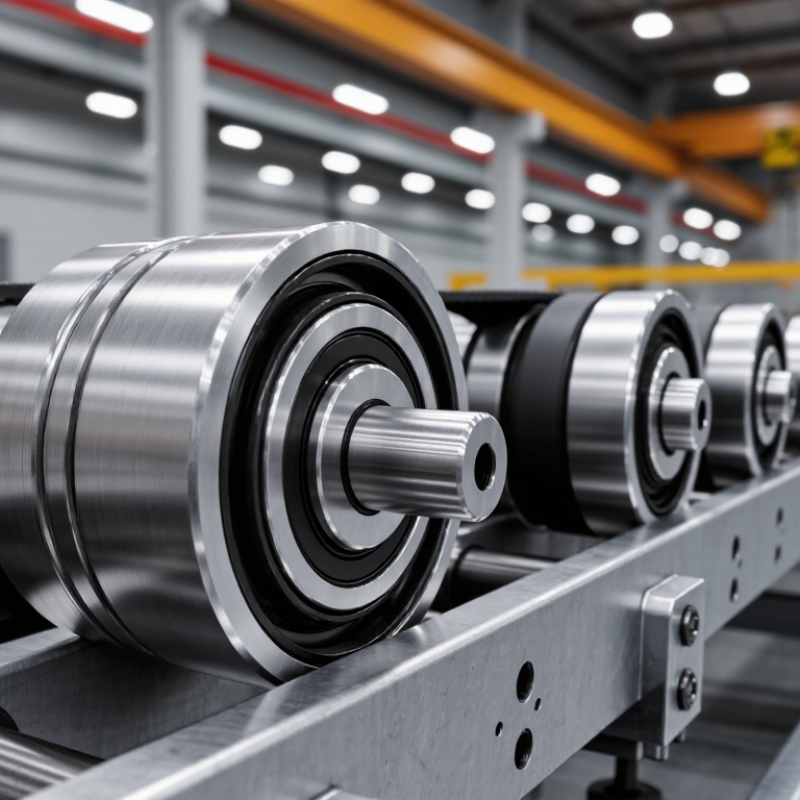
Belt conveyor rollers support the belt, guide its path, and help carry material with controlled friction. Carrying idlers sit beneath the loaded belt; return rollers support the empty belt on its way back. Their job looks simple. Dust, moisture, uneven loading, and poor alignment make it less so. A seized roller can scrape the belt, create heat, and increase the load on the drive. Small parts matter.

CEMA’s Belt Conveyors for Bulk Materials treats roller selection and spacing as design decisions shaped by belt width, material load, speed, and acceptable belt sag. One spacing value cannot fit every conveyor. The U.S. Department of Energy’s 2002 U.S. Industrial Electric Motor Systems Market Opportunities Assessment estimated that motor-driven systems accounted for about 69% of electricity use in U.S. manufacturing. That figure covers many systems, not conveyors alone, but it shows why avoidable mechanical resistance deserves attention. Buyers should compare roller diameter, shell and bearing details, sealing, and operating conditions—not just purchase price. A clean specification helps, though it can miss real site conditions. Dust often finds the gap in the plan.
Key Criteria for Evaluating Roller Manufacturers

When comparing belt conveyor roller manufacturers, request more than a catalogue and a quoted load rating. Match roller diameter, shell thickness, bearing capacity, and spacing to belt speed, material size, impact zones, and operating hours. CEMA’s Belt Conveyors for Bulk Materials explains how idler selection depends on these operating conditions. Ask for measured shell runout, balance results, seal design, and test procedures.

Numbers matter.

Bearing life claims need context. ISO 281:2007 defines basic rating life at 90% reliability under stated conditions; contamination and poor lubrication can shorten service life. Ask whether the calculation reflects your actual load and environment, not just ideal test conditions.

The IEA’s 2011 report, Energy-Efficiency Policy Opportunities for Electric Motor-Driven Systems, estimates these systems use about 46% of global electricity. That figure is not specific to conveyors, but it makes rolling resistance worth checking.

Request evidence of consistent dimensions, material traceability, and inspection records. A polished datasheet can still hide weak field performance. I would also verify sample rollers in person; paperwork alone is not enough.

Leading Belt Conveyor Roller Manufacturers in Global Markets

Leading belt conveyor roller manufacturers in global markets do more than supply steel tubes and bearings. They help buyers match rollers to load, belt speed, material, and operating conditions. A roller handling dry cartons may not suit a wet aggregate line. Small mismatches can cause noise, belt drift, or early bearing wear.

Experienced manufacturers typically document key dimensions, shell thickness, bearing type, and sealing arrangements. Buyers can request drawings and sample inspection records before approving a large order. Check how rollers perform under dust, moisture, and repeated impact, not just how they look on a pallet. Details matter. Clear packaging labels and consistent measurements also make installation easier across sites.

Global supply brings trade-offs. A low unit price may be offset by long lead times, limited spare parts, or uneven batch quality. Ask about production checks, replacement availability, and realistic delivery schedules. For critical conveyors, test a small batch under actual operating conditions before scaling up. No supplier is perfect, and a specification sheet cannot predict every site problem. Good communication helps, but buyers should still verify the details themselves.

Comparing Product Ranges, Quality Standards, and Capabilities

Global buyers should compare a roller manufacturer’s product range against the actual conveyor conditions. Light-duty rollers may suit parcel lines, while heavy-duty steel models handle higher loads and abrasive material. Options such as impact, return, and tapered rollers serve different positions and belt paths. Ask for drawings showing shaft ends, tube diameter, and bearing arrangements. That detail matters.

Quality claims are useful only when buyers can verify them. Request material specifications, dimensional tolerances, and inspection records for the rollers being quoted. Check how the manufacturer tests bearing rotation, sealing, and runout. ISO-based quality systems can indicate controlled processes, but a certificate alone does not prove that a roller fits your application. Seals deserve attention in dusty sites; a poor match can shorten bearing life quickly.

Capabilities also affect delivery and consistency. A supplier with in-house machining, welding, and balancing may respond more reliably to custom dimensions. Ask about sample approval, production capacity, packaging, and replacement-part lead times. Compare these against your operating schedule, not just the unit price. Large catalogs can look reassuring, yet some listed configurations may be made only on request. This is worth checking before specifying a full order.

Belt Conveyor Roller Product Range: Common Nominal Diameters

Commonly available roller outside diameters for bulk-material conveyor applications. Sizes and availability vary by supplier and application.

How to read this: The bars show representative nominal roller outside diameters, not a ranking of manufacturers. Buyers typically compare diameter alongside belt speed, load, bearing and seal design, material, and operating conditions. Relevant industry references include ISO 1537 for troughed-belt conveyor idlers, CEMA 502 for bulk-material conveyor idlers, and EN 620 for safety requirements for fixed belt conveyors. Refer to the applicable edition and verify product compliance with the supplier.

How Global Buyers Can Select and Source the Right Manufacturer

Selecting a belt conveyor roller manufacturer starts with operating conditions, not a catalogue headline. Share belt width, load, speed, roller spacing, ambient temperature, dust or moisture exposure, and expected duty hours. A roller beneath a wet aggregate line faces different sealing and corrosion demands than one in a clean warehouse. Fit matters. Ask the supplier to confirm shaft dimensions, bearing type, shell thickness, runout tolerance, and mounting details in a written drawing.

Compare evidence, not promises. Request material certificates where relevant, inspection records, dimensional reports, and a sample roller for incoming checks. Review controls for bearing press-fit, welding, balancing, and final rotation or noise tests. Numbers can mislead. Ask what each tolerance means in production and how rejected parts are tracked. A video call can show manufacturing and inspection steps, but it cannot replace an independent audit for a large or critical order.

Before placing a volume order, agree on a pilot batch, packaging, spare-part quantities, lead-time milestones, and a process for handling defects. Check whether the factory can maintain consistent drawings and batch identification across repeat shipments. Ask for references from installations with similar loads and environments, then verify details directly when possible. A neat checklist is useful, though it may miss a site-specific vibration issue; record field feedback after installation and revise specifications. Freight damage, delayed replacements, or short bearing life can erase an apparent saving.

Our story

When The Light Went On

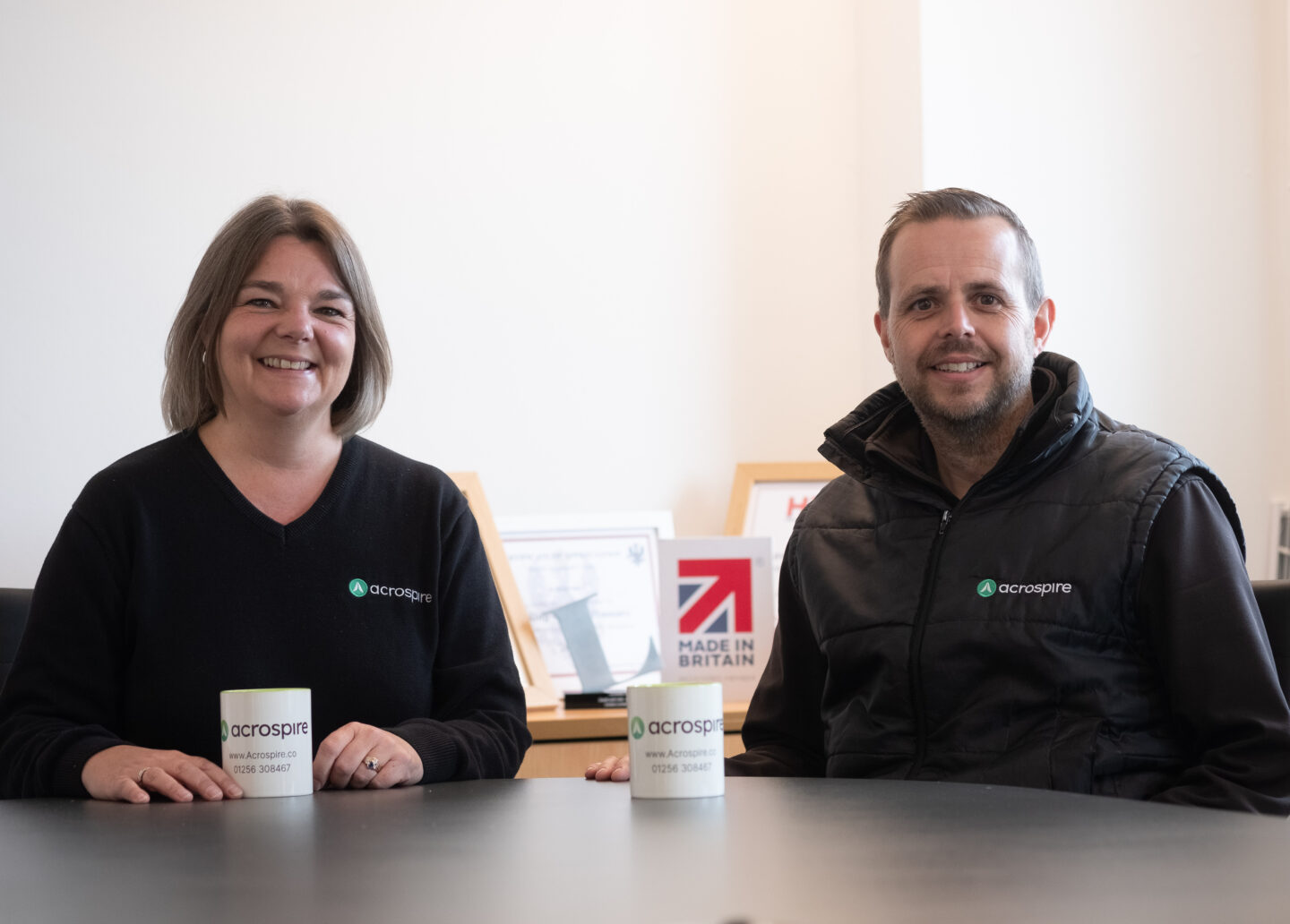
The idea for Acrospire was formed in 2012 when founder Tim envisioned a different kind of lighting manufacturer: one that would not only deliver outstanding customer experiences but also prioritise fair treatment for its employees.

We’ve come a long way

Working from any nook and cranny we could find

Motivated by the belief the industry wanted and needed better, Tim shared his plan to establish his own venture with Hatty, who simply couldn't let him do it alone.

The rest, as they say, is history.

Protecting local jobs and ensuring the best quality possible.

The products sold should, where possible be manufactured here in the UK

Working from a rented office by day and assembling lanterns in a garage at night, Tim and Hatty set to work.

11 Years later

and a lot has changed

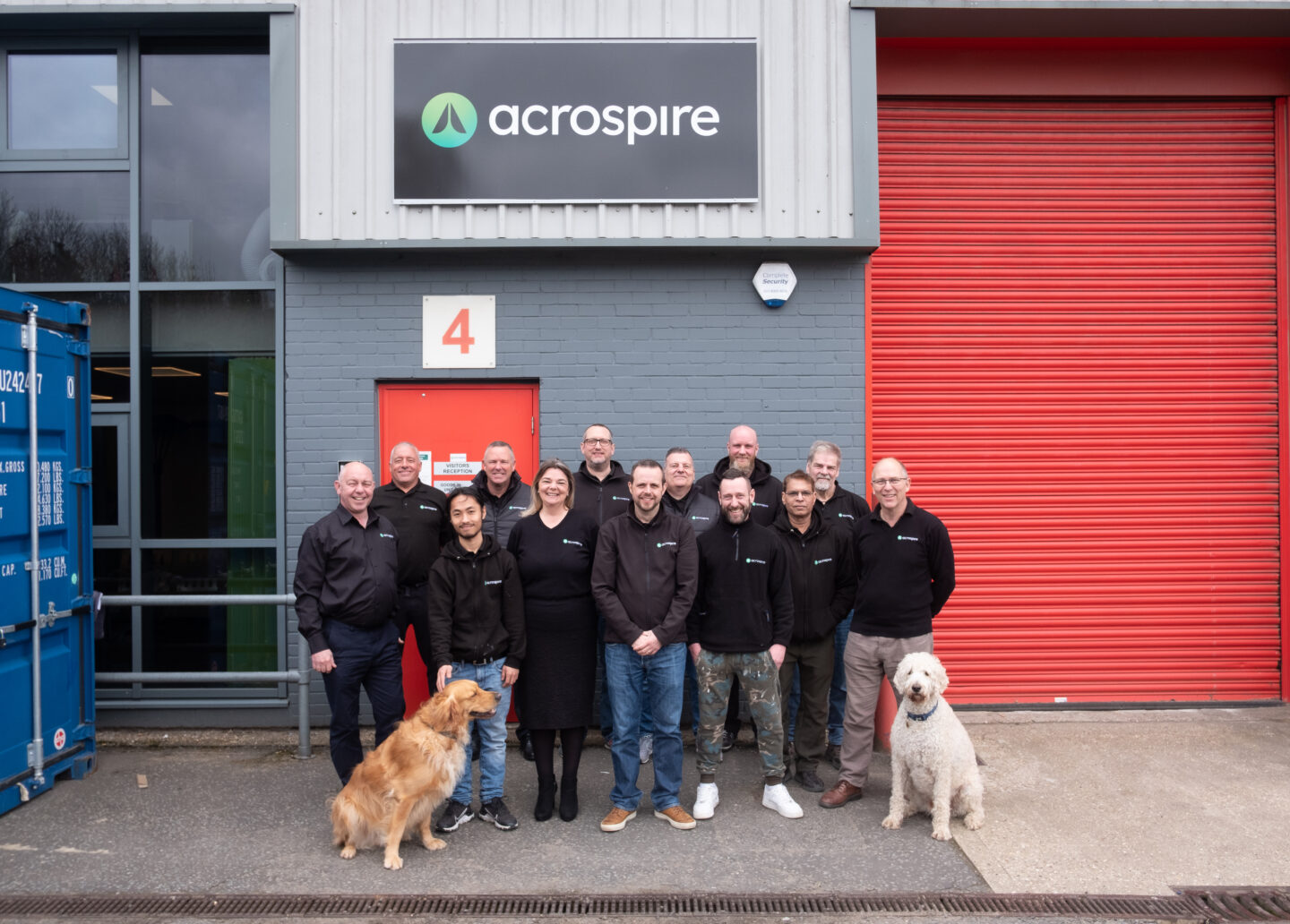
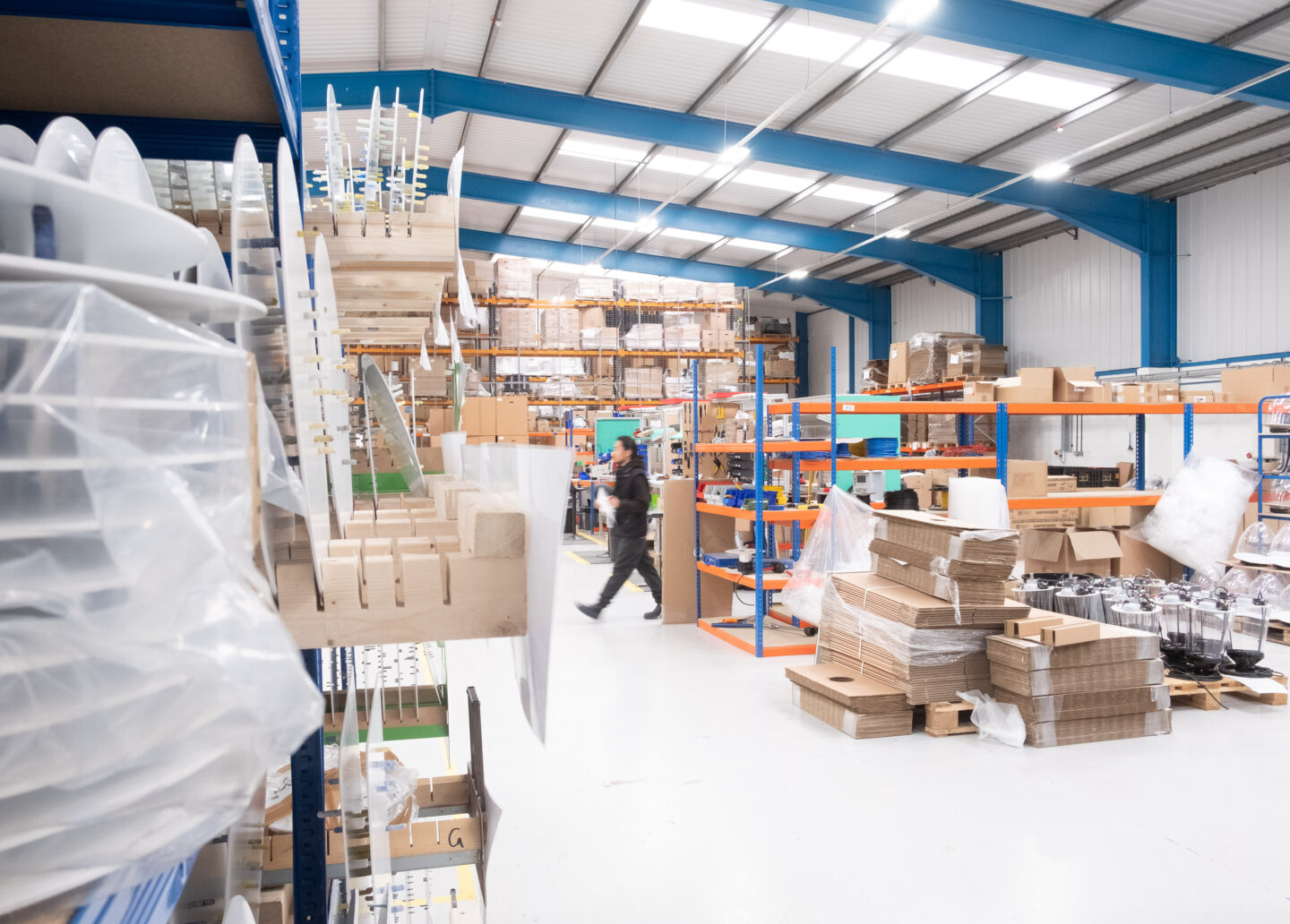
Acrospire now inhabits a 14000² ft manufacturing facility in Basingstoke, Hampshire. We’re a proud partner of the Made in Britain scheme, ISO9001 certified and a member of all relevant lighting industry trade bodies.

We've built a reputation to be proud of

Along with great relationships with our customers and a great team! We've attracted some of the most experienced members of the lighting industry, all by following one golden rule.

A simple ethos

Creating work to be proud of

That runs through all that we do. Customers who have made the switch to Acrospire have found working with us to be a breath of fresh air.

Market leading warranty

If you’re a professional in the lighting industry, you’re probably familiar with warranties that range from 3 to 10 years, with extensions available on special request or at additional cost. At Acrospire, where we’re proud to be different, we offer a market-leading simple 12-year warranty, as standard.

Tight Control on Quality

We focus on our customers not our competition. We manufacture our products in the UK: with the exception of our solar products, our supply chain is within a 60-mile radius of our factory in Basingstoke: to maintain greater control over quality. We al

Speed is key

Speed of response is crucial when it comes to resolving warranty issues. If we’ve made a mistake, we own it, get to the root cause, and fix it as quickly as possible. We believe in timely communication with our customers and making the resolution pro

Test and Test Again

We believe in independent testing and certification. Our new product development is in line with ISO 9001. Many of our products hold ENEC Certification. To meet the requirements of ENEC we also send random product samples for third party safety testi

Quality by design

Our product design is another key factor in our ability to offer a 12-year warranty. We value engineer rather than cost cut, never compromising on quality. We stick to our processes and engage with our supply chain to ensure that every product meets