Top 10 Fuse Cut Out Types for Effective Power Distribution?
Fuse Cut Out devices play a crucial role in power distribution systems. They ensure safety and reliability in electrical networks. These components protect against overloads and short circuits. Each type of Fuse Cut Out offers unique features suited for various applications. Understanding these differences can optimize power distribution.
Selecting the right Fuse Cut Out is not always straightforward. Factors such as voltage rating, installation environment, and load conditions come into play. Even experienced professionals may find it challenging to choose the best type. This underscores the importance of gaining insights into the top options available.
In this guide, we will explore the top 10 types of Fuse Cut Outs. Each selection is based on industry insights and practical applications. Recognizing the strength and limitations of each type is vital. This knowledge empowers engineers and technicians to make informed decisions in power distribution.
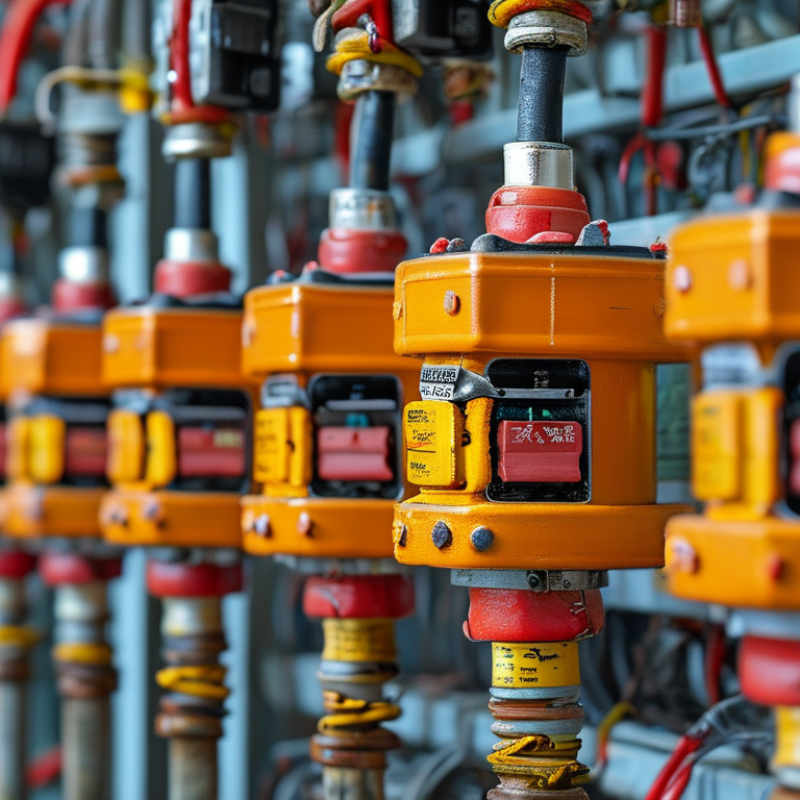
Types of Fuse Cut Outs and Their Applications in Power Distribution
Fuse cut outs play a crucial role in power distribution systems. They act as a protective device, preventing damage to electrical infrastructure. Understanding the different types of fuse cut outs can enhance the efficiency and reliability of power delivery.
One common type is the porcelain fuse cut out. This option is known for its durability and resistance to weather conditions. They are often found in outdoor applications, providing reliable service in harsh environments. Another popular choice is the modular fuse cut out. These components allow for easy replacement and maintenance. Their design simplifies installation, which can save time and reduce operational costs.
In many cases, a combination of fuse cut out types is used. Each type serves specific needs within a distribution network. This approach ensures that power systems remain functional during various conditions. However, improper selection can lead to system failures or challenges in maintenance. It’s essential to consider both the technical aspects and the environmental factors when choosing the right fuse cut out. This reflection can lead to better decision-making in power distribution.
Top 10 Fuse Cut Out Types for Effective Power Distribution
| Fuse Cut Out Type | Voltage Rating (kV) | Current Rating (A) | Application | Key Features |
| Standard Fuse Cut Out | 11 | 200 | Distribution networks | Reliable protection, ease of installation |
| Expulsion Fuse Cut Out | 15 | 100 | Overhead lines | Quick operation, reduced arcing |
| Drop-Out Fuse Cut Out | 12 | 400 | Utility substations | Easily replaceable, minimal maintenance |
| Polymer Fuse Cut Out | 24 | 150 | Urban distribution | Lightweight, weather-resistant |
| Glass Fuse Cut Out | 15 | 50 | Small installations | Compact design, visual indication |
| Automated Fuse Cut Out | 25 | 300 | Smart grids | Remote monitoring, improved reliability |
| Single Phase Fuse Cut Out | 10 | 80 | Residential areas | Cost-effective, simple design |
| Three Phase Fuse Cut Out | 20 | 400 | Industrial systems | Balanced load management, high efficiency |
| Smart Fuse Cut Out | 30 | 250 | Advanced distribution networks | Data analytics, enhanced protection |
| Heavy Duty Fuse Cut Out | 36 | 600 | Mining, large facilities | Robust design, high load capacity |
Understanding the Importance of Fuse Cut Outs in Electrical Systems
Fuse cut outs are critical components in electrical systems, playing a vital role in ensuring safety and reliability. They protect power lines from overload and short circuits. According to the IEEE, about 30% of power outages are due to failures in distribution equipment. Fuse cut outs can minimize these failures by isolating faults effectively.
Understanding the types of fuse cut outs can enhance their application. The most common types include porcelain, polymer, and automatic cut outs. Each type has specific advantages suited for different environmental conditions. Polymer fuse cut outs, for instance, are lighter and more resistant to environmental stresses compared to porcelain. However, they may be less effective in extreme temperatures.
It's essential to consider local regulations and industry standards when selecting fuse cut outs. Studies show that improper installation and maintenance account for over 15% of electrical failures. Regular inspections and adherence to safety protocols are necessary to ensure optimal performance. A professional approach can mitigate risks associated with these critical components.
Comparative Analysis of Common Fuse Cut Out Types
Fuse cut outs play a vital role in power distribution systems. They provide a necessary line of defense against overcurrent conditions. Understanding the different types and their applications can optimize power reliability. A report by the International Energy Agency (IEA) notes that a significant percentage of electrical outages stems from equipment failure, emphasizing the importance of reliable fuse cut outs.
The three common types of fuse cut outs are: open fuse cut outs, enclosed fuse cut outs, and panel-mounted fuse cut outs. Open fuse cut outs are widely used in overhead power lines. They offer easy access for maintenance, yet they expose the fuse to environmental factors. Enclosed types protect against dust and moisture, enhancing lifespan. A study showed that enclosed models had a 30% longer operational life under the same conditions.
While panel-mounted options offer compact design and are great for urban settings, their limited accessibility may pose challenges. Issues often arise with installation and maintenance. Proper training for technicians becomes essential. Each type has its strengths and weaknesses. The choice depends on specific application needs and environmental conditions. Balancing these factors is crucial for effective power distribution.
Factors to Consider When Selecting Fuse Cut Outs
When selecting fuse cut outs, safety is a primary concern. You need to evaluate the system's voltage and current ratings. Choosing a fuse cut out that matches these ratings is essential for preventing failures. Performance under fault conditions is another critical factor. You want to be sure that the cut out will perform reliably when needed.
Consider the environmental conditions where the fuse cut out will be installed. Harsh weather or corrosive environments can impact performance. Look for designs that offer protective features. Also, think about the maintenance aspect. Some cut outs require more frequent checks. It’s good to know what you’re committing to.
Tips: Always consult industry guidelines to ensure compliance. Regular inspections can save costs over time. Keep a log of any changes made to your power distribution system. This can help in addressing issues promptly. Don’t overlook the importance of professional installation. It reduces risks associated with improper handling.
Maintenance and Safety Practices for Fuse Cut Outs
Fuse cut outs are crucial for reliable power distribution. Regular maintenance ensures safety and functionality. Inspecting these devices routinely can prevent unexpected failures. It’s important to check for signs of wear, corrosion, or overheating. Addressing these issues early can save time and money.
**Tip:** Always use appropriate personal protective equipment (PPE) during maintenance tasks. This ensures your safety while handling electrical components.
Effective maintenance practices include cleaning connections and tightening hardware. Loose connections can lead to arcing and eventual system failure. It's also wise to monitor the load regularly. Overloading can shorten the lifespan of fuse cut outs.
**Tip:** Document maintenance activities. Keeping a record helps identify patterns and potential problems over time. It also aids in training new personnel.
Lastly, consider potential environmental impacts. Severe weather can affect fuse cut outs. Regular checks after storms or heavy rain ensure continued operation. Unattended damage can lead to significant outages.
**Tip:** Discuss maintenance strategies with a qualified electrician. Their expertise can provide insights that enhance safety practices.