Top 10 Color Changing Lights Tips for Your Home?
Color-Changing Lights can transform the ambiance of any home. According to lighting expert Sarah Johnson, "The right colors can evoke emotions and create memorable spaces." In recent years, these lights have become popular for their versatility. They adapt effortlessly to various moods. However, homeowners often struggle to choose the best options.
Many people overlook the importance of selecting the right color palette. It should reflect personal tastes and complement existing decor. Bright colors are energizing, while softer hues create a calm atmosphere. The challenge lies in finding the right balance. Too many colors can be overwhelming, while too few may feel dull.
Lighting choices often require introspection. What does your space communicate about you? With Color-Changing Lights, the goal should be to enhance your environment. Explore options that resonate. Ultimately, layering colors brings depth. Think about creating zones in a single room. This thoughtful approach can make all the difference.
Choosing the Right Color Changing Lights for Different Spaces
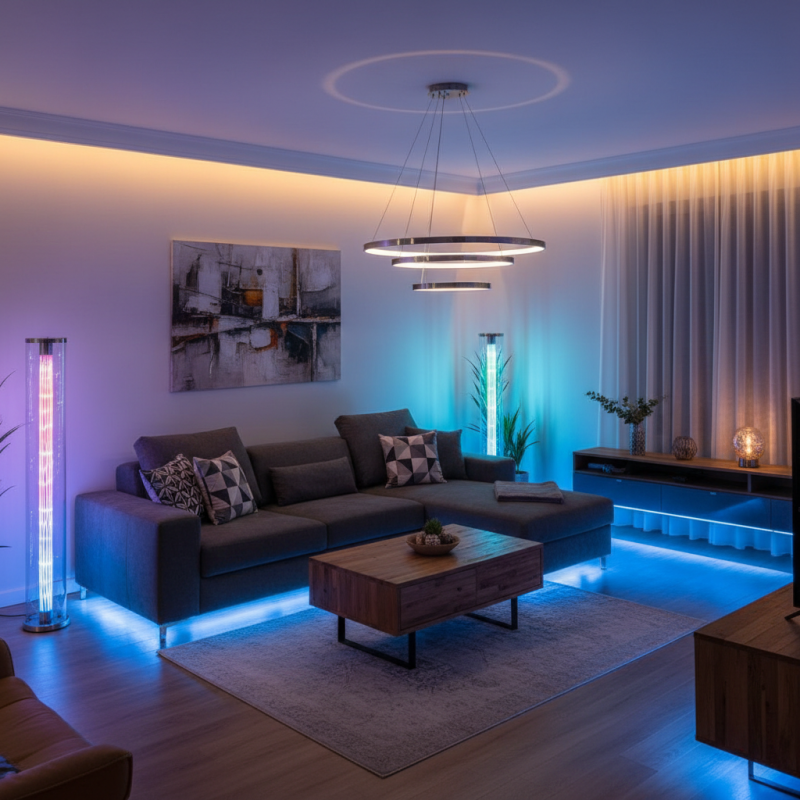
When choosing color changing lights for your home, consider the mood you wish to create in each room. Studies suggest that lighting can influence emotions. For instance, warm hues foster relaxation, while bright colors boost energy. In living rooms, softer blues or greens promote peace. These colors can help you unwind after a long day.
In bedrooms, softer whites or subtle pinks are often recommended. According to industry reports, 70% of people prefer these tones for their calming effects. Ensure the bulbs are dimmable to adjust intensity for different needs. It’s not just about looks; functionality matters too.
Tip: Experiment with light placement. Install adjustable fixtures to create layers of light. Use floor lamps with color-changing features for versatility. Remember, not every color suits every space. Unique combinations may feel daunting but can lead to unexpected charm. Consider testing shades in small areas before full installation.
Top 10 Color Changing Lights Tips for Your Home
Understanding Color Temperatures and Their Effects on Mood
Color temperature significantly affects mood. Warm light, around 2700K, creates a cozy atmosphere. It invites relaxation and comfort, perfect for living rooms. On the other hand, cool light, often above 5000K, is stimulating. This is effective in workspaces, enhancing focus and productivity.
The psychological impact of light colors is profound. Blues and greens promote calmness, while yellows inspire creativity. Yet, the wrong choice can lead to discomfort. A harsh, overly bright light can cause strain. Rooms can feel sterile or unwelcoming when lit with a cold white.
Experimentation is key. Try different bulbs in various spaces. Notice how they change the feel or energy of a room. You may discover that what works for one area doesn't suit another. Finding the right balance takes time and reflection. The process can be messy, but it’s rewarding. Lighting is more than just illumination; it shapes your environment.
Creative Ways to Incorporate Color Changing Lights in Home Decor
Color changing lights are a versatile element in home decor. Their ability to create ambiance can transform any space. Studies indicate that lighting can influence mood by up to 50%. This makes it a powerful tool in interior design. Consider using these lights strategically for different rooms in your home.
In the living room, use color changing lights to enhance relaxation or energize gatherings. Set the lights to warm tones during evening chats. For parties, switch to vibrant colors to create an electrifying atmosphere. A recent report reveals that 72% of people feel happier in spaces with adjustable lighting.
In the bedroom, softer colors promote a soothing environment. You might choose calming blues or gentle pinks for winding down. It’s essential to reflect on light intensity; too bright can be harsh. Think about using dimmers to balance brightness. In fact, a survey found that 65% of individuals prefer softer lighting at night for better sleep.
Additionally, think outside the box. Try placing color changing lights behind furniture or under shelves. This creates depth and intrigue in your decor. Whether it's a relaxing evening or a vibrant gathering, the right color can consistently uplift your space.
Tips for Controlling and Programming Your Color Changing Lights
Color changing lights can transform any space. They create mood and atmosphere effortlessly. Proper control and programming are essential for the best results. Start by grouping your lights. Control multiple fixtures at once; it saves time and effort. Use smart home apps to manage everything with a single tap. You might struggle at first, but practice makes it easier.
Experiment with schedules. Set lights to change at specific times; this can enhance your daily routine. For instance, a relaxing hue in the evening can promote calmness. However, remember that it can feel overwhelming to set it all up. Don't rush the process; take it step by step.
You might want to explore scenes. Create different atmospheres for various occasions. A vibrant party mode can contrast with a cozy movie night scene. Initially, it may take too long to find the perfect combinations. That’s alright; adjust and refine to suit your style. Keep your preferences flexible, and let your space evolve.
Energy Efficiency and Maintenance Best Practices for Color Changing Lights
Color changing lights can transform your home’s ambiance. To maximize their benefits, focus on energy efficiency. Choose LED bulbs for their low power consumption. They not only last longer but also reduce your electricity bill. Consider using smart plugs to control power usage.
Maintenance is crucial for keeping your lights vibrant. Regularly wipe down fixtures to prevent dust buildup. Dust can dim the brightness of your bulbs. It's important to inspect your lights occasionally. Look for any flickering or color inconsistency; these may signal an issue.
For optimal placement, think about how the colors interact with your decor. Some rooms may benefit from warmer tones, while others thrive with cooler hues. Experiment with different settings to see what works best. You might find that some combinations feel off or too harsh. Take your time to find the perfect balance.