China Top 10 Cellulose Fiber Suppliers for Global Buyers
China’s textile and materials market includes producers of different Cellulose Fiber types, including viscose, lyocell, and fibers used in blended fabrics. These materials can differ in softness, strength, moisture handling, and production requirements. Buyers should identify the exact fiber and intended application before comparing suppliers.
This guide introduces ten China-based suppliers for global buyers to investigate. It is a starting point, not a definitive ranking. Company capabilities, product ranges, and export experience can change, so current details should be checked directly. Request recent specifications, sample swatches, and documentation that matches the intended product. A fabric sample under bright light can reveal uneven texture that a product sheet may not show.
Look beyond quoted price. Ask about minimum order quantities, lead times, customization, packaging, and communication during production. For fiber used in apparel, home textiles, or industrial materials, confirm that test methods and quality criteria fit the application. Certifications may be relevant, but buyers should verify their scope and validity with the issuing organization. Details matter.
No supplier fits every project. A promising catalog does not guarantee consistent bulk results, and one sample cannot reveal every production risk. This list offers a practical route for building a shortlist, asking sharper questions, and comparing suppliers on evidence rather than claims. The final choice still depends on your specifications, budget, and quality checks.
Understanding Cellulose Fibers and Their Main Types
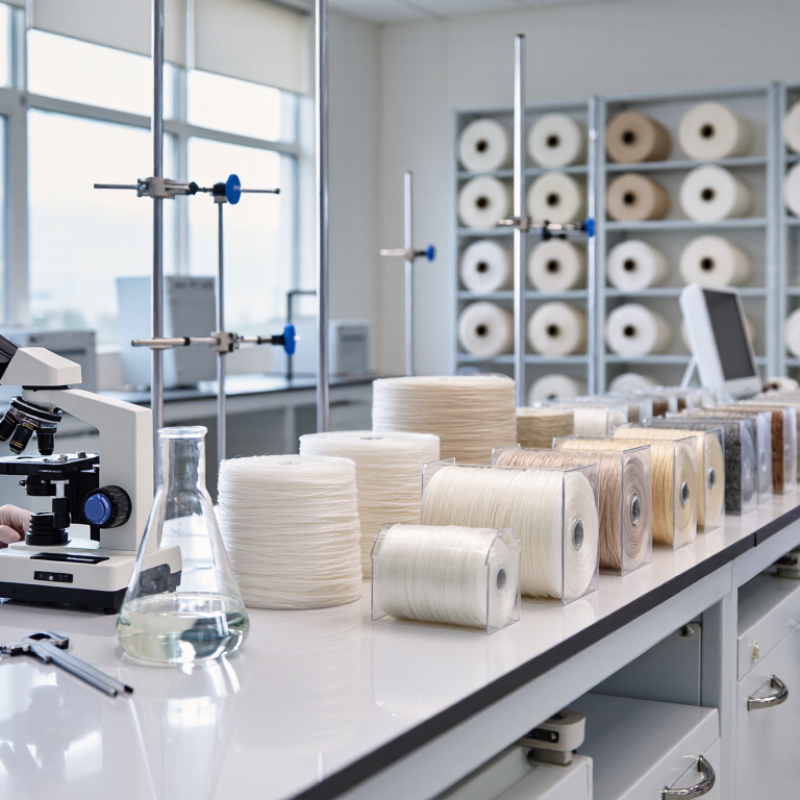
Cellulose fibers come from plant matter, but “cellulose” does not describe one uniform material. Cotton, flax, and hemp are natural fibers taken from plants. Wood pulp is a common feedstock for regenerated cellulose fibers. Fiber length, fineness, and processing affect softness, strength, absorbency, and how fabric behaves during washing. Small differences matter.
Natural fibers keep much of their original structure. Cotton is widely used for soft, absorbent fabrics; flax fibers can feel crisp and create a textured surface.
Regenerated fibers are made by dissolving cellulose pulp and forming new filaments. Viscose, modal, and lyocell are examples, though their properties vary with production method and fabric construction.
The labels can mislead. A fiber name alone cannot predict a garment’s feel or durability.
Tips: Ask suppliers for the fiber composition, staple or filament details, and test data relevant to your use. Compare samples after washing, not just under showroom lighting. Check moisture regain and tensile strength when performance matters. Keep in mind that results can vary between batches; a specification sheet is useful, but it is not the whole story.
How China’s Cellulose Fiber Industry Serves Global Buyers
China’s cellulose-fiber suppliers serve global buyers through production scale and a range of fiber options. Textile Exchange’s Materials Market Report 2024 estimates global man-made cellulosic fiber output at about 7.6 million tonnes in 2023. Total global fiber production reached 124 million tonnes. That is a large supply pool. These figures are global, not China-specific, and should not be read as China’s market share.
For sourcing, buyers can compare viscose, lyocell, and modal by fiber length, fineness, moisture regain, and batch consistency. Request current test reports and production samples before approving an order. A catalogue alone is thin evidence. Check bale labels, packaging protection, and loading records, too. Those details matter after a long sea journey, when moisture or unclear lot identification can complicate inspection.
Price and capacity do not tell the whole story. Ask suppliers how they document pulp origin and process controls, then compare like with like. Not every mill publishes equally detailed data. That gap deserves attention. I would also verify that promised lead times match the actual production schedule. Global output figures show industry scale, not factory performance.
Profiles of 10 Chinese Cellulose Fiber Suppliers
Chinese cellulose fiber suppliers serve different stages of the textile chain. These profiles compare operating strengths, not ranked companies. One supplier integrates pulp preparation and fiber spinning. Another specializes in viscose staple fiber for spinning mills. A third focuses on continuous filament yarn. A fourth offers lyocell with controlled fiber length. A fifth supplies modal for soft, draping fabrics.
Other suppliers build around distinct inputs and services. One processes bamboo pulp into textile fiber. Another uses cotton linter as its cellulose feedstock. A seventh develops recycled-cellulose blends. An eighth offers customized denier and cut length for nonwovens. A ninth supports small trial orders. A tenth emphasizes export documentation and steady container loading. Details still need checking; product labels alone reveal little about process consistency.
Scale matters. Textile Exchange’s Materials Market Report 2024 estimates global fiber production reached 124 million tonnes in 2023, while man-made cellulosic fiber output was about 7.9 million tonnes. That makes supplier audits useful. Buyers can request recent test results for tenacity, moisture regain, and lot variation, then compare samples under the same spinning conditions. Small differences show. A clear source trail and realistic lead-time estimate also help distinguish a dependable supplier from a polished brochure.
Comparing Supplier Products, Capabilities, and Certifications
Global buyers should compare cellulose-fiber suppliers by feedstock traceability, product consistency, and processing support—not price alone. Textile Exchange’s Materials Market Report 2024 estimates that global fiber production reached 124 million metric tonnes in 2023, including about 7.9 million tonnes of manmade cellulosic fibers. That scale makes sourcing details matter. Ask whether pulp comes from documented forests, and request chain-of-custody evidence, such as FSC or PEFC certification where applicable. Check whether a supplier can provide fiber specifications, batch records, and technical guidance for spinning or nonwoven production. Small differences show up on the line.
Certifications answer different questions. FSC and PEFC relate to forest sourcing; ISO 9001 addresses quality-management systems, while OEKO-TEX testing concerns specified harmful substances. Do not treat one certificate as proof of everything. Compare its scope, site, expiry date, and product coverage against the material being quoted. Request recent test reports and samples, then check color, staple length, moisture, and performance under your own process conditions. A polished certificate can still leave gaps. This comparison is imperfect: reporting methods and supplier disclosures vary, and buyers may need independent verification. Ask how wastewater, chemical recovery, and energy use are measured, not just whether a supplier claims improvement.
How to Evaluate and Source from Chinese Suppliers
When sourcing cellulose fiber from China, turn the product description into a measurable specification. State the fiber type, grade, cut length, moisture range, and intended process. Ask suppliers to confirm these points in writing. Small differences matter. Fiber suitable for a paper blend may behave differently in textile or nonwoven production. Share your application and request samples made to the proposed specification.
Evaluate more than price. Review technical data sheets, recent batch test results, production capacity, packaging details, and stated lead times. Ask how the supplier identifies lots and handles quality complaints. Compare samples under your own process conditions, not only by appearance. A video call can clarify equipment and packing practices, but it cannot replace records. One easy mistake is trusting a single attractive sample; it may not represent routine production. Confirm tolerances, inspection methods, payment milestones, and remedies for off-spec material before a larger order.
Tips: Keep a dated checklist of supplier responses and sample results. Verify that quotations, specifications, and purchase documents describe the same product. Allow time for a second sample if results differ; this step can feel slow, but skipping it may create avoidable costs.
China Cellulose Fiber Sourcing: Typical Moisture Regain by Fiber Type
Moisture regain is a useful reference when comparing fiber specifications from suppliers. Values shown are typical reference figures, not supplier-specific test results.
Typical values: cotton 8.5%, polyester 0.4%, viscose rayon 13%, modal 11%, lyocell 11.5%, and linen 12%. Actual results may vary with fiber grade, conditioning, and test method. Ask suppliers for the applicable test standard and recent test reports before comparing quotations.