Top Tips for Choosing the Best Wall Lights for Your Home?
Choosing the right wall lights for your home can significantly enhance your living space. According to a recent report by the Lighting Research Center, proper lighting design can influence mood and productivity by up to 20%. Wall lights play a crucial role in achieving this ambiance. Expert Sarah Jenkins, a renowned lighting designer, stated, "The right wall lights can transform any room into a welcoming haven."
When selecting wall lights, consider factors such as style, brightness, and energy efficiency. Aesthetics are important, but functionality is key. Many homeowners overlook the importance of placement, which can affect overall light distribution. An ideal installation can elevate your home’s design, providing both flair and practicality.
Also, remember that not all wall lights are created equal. Many products may claim to be energy-efficient but fall short in performance. A study suggests that about 30% of consumers often choose the cheapest option, which can lead to dissatisfaction over time. Reflect on your choices carefully; the perfect wall lights are those that balance beauty and functionality.
Understanding the Purpose of Wall Lights in Home Decor
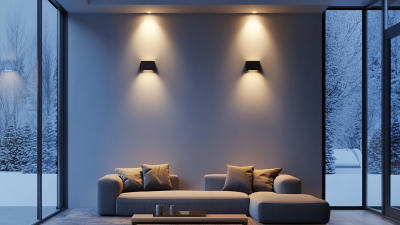
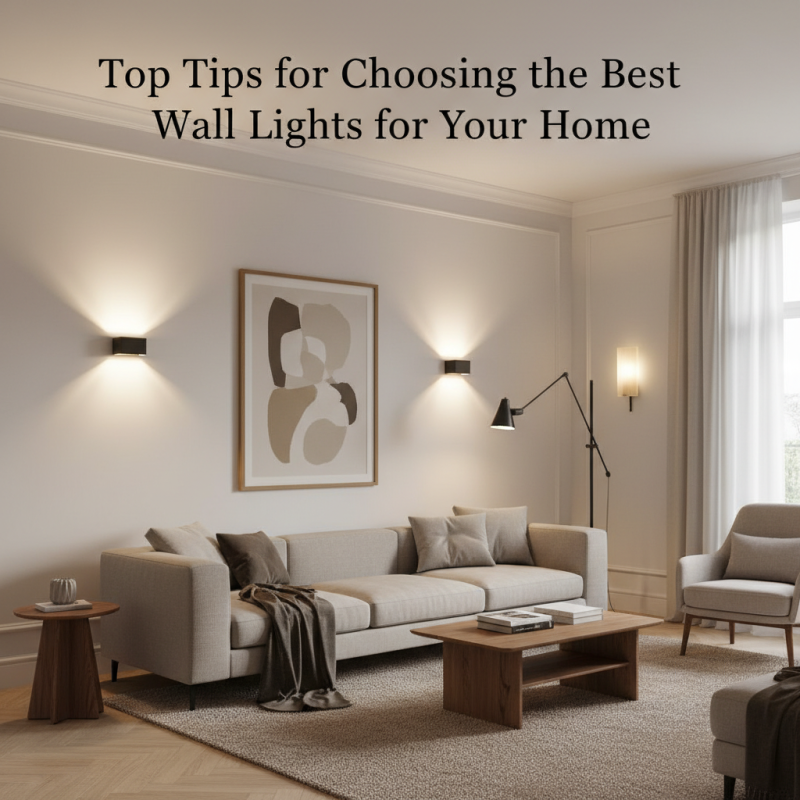
Wall lights serve more than just illumination; they enhance a space's overall aesthetic. By strategically placing these lights, you can create a warm and inviting atmosphere. Consider the specific purpose of each room. Ambient lighting can make a living area cozy, while task lighting enhances functionality in workspaces.
When choosing wall lights, think about the style of your home. Different designs can dramatically change the vibe. A sleek modern sconce may suit a contemporary room, while vintage fixtures can add character to a rustic space. Remember, balance is key. Too many fixtures can clutter a wall, while too few can leave a room feeling dark.
Light intensity also matters. Choose dimmable options for flexibility. This allows you to adjust the mood based on the occasion. Moreover, consider the color temperature of the bulbs. Warmer tones create a relaxed environment, perfect for leisure areas. Reflect on how these choices align with your needs and the atmosphere you want to cultivate.
Assessing Different Types of Wall Lights for Specific Needs
When selecting wall lights, it’s crucial to assess your specific needs. Different types cater to varied purposes. For example, recessed lights work well for ambient lighting in living rooms. They create a warm, inviting glow without taking up space. Sconces, on the other hand, can add character to hallways. They can also highlight artwork or architectural features.
Consider your room's function. Task lighting is essential in a study or kitchen. Adjustable or swing arm wall lights are practical here. They provide focused illumination exactly where it’s needed. In contrast, decorative wall lights can enhance the ambiance in dining rooms. Often, people overlook the importance of bulb selection. The wrong bulb can change the entire mood. Brightness and color temperature matter significantly.
The placement of wall lights is another aspect to ponder. Too high or too low can disrupt a space's harmony. Experimenting with different heights might yield imperfect results. Consider your furniture layout and wall colors. Sometimes, a combination of styles works best. It can lead to unexpected yet charming results.
Top Tips for Choosing the Best Wall Lights for Your Home
| Type of Wall Light |
Best For |
Key Features |
Aesthetic Style |
| Sconces |
Living Rooms, Hallways |
Variety of styles, directional lighting |
Traditional, Modern, Industrial |
| Picture Lights |
Artwork Display |
Form-fitting design, focuses light on artwork |
Classic, Minimalist |
| Wall-mounted Reading Lights |
Bedrooms, Reading Nooks |
Adjustable arms, focused light |
Contemporary, Sleek |
| Flush Mounts |
Low Ceilings, Hallways |
Space-saving design, can provide ambient light |
Modern, Versatile |
| Accent Lighting |
Highlighting Architecture, Features |
Creates drama & visual interest |
Eclectic, Artistic |
Evaluating Size and Scale When Choosing Wall Lights
When selecting wall lights, size and scale are crucial factors. A light fixture that is too large can overwhelm a small room. Conversely, a tiny light might get lost on a large wall.
Consider the dimensions of your space. Measure the height and width of the wall where you plan to install the light. This helps create balance and harmony in the room.
Placement is equally important. A well-placed wall light can enhance the room's features. For example, mounting a light above artwork draws the eye and adds depth. However, if the light is positioned too low or too high, it might seem awkward.
Think about the surrounding furniture and decor. The light should complement them, not compete.
Trial and error can play a role here. You might find that what looks good on paper doesn’t work in reality. Sometimes, a light that seemed ideal in the store appears too harsh or too dim once installed.
Be open to adjustments. Take a step back and assess the overall ambiance. This process can lead to unexpectedly delightful results in your home lighting.
Considering Color Temperature and Brightness for Ambiance
When selecting wall lights, consider color temperature and brightness carefully. These elements significantly affect your home's ambiance. Warm white lights (2700K-3000K) create a cozy atmosphere. They are perfect for living rooms and bedrooms. Cooler lights (4000K-5000K) provide a more energetic vibe, suitable for kitchens and workspaces.
Tip: Experiment with different color temperatures before making a final choice. A simple test can reveal how light changes the feel of a space.
Brightness is crucial, too. Wall lights should complement natural light levels in each room. Dimmer switches offer versatility. They allow you to adjust brightness for various moods. However, remember that over-bright spaces can feel harsh. Lowering light levels can encourage relaxation and comfort.
Tip: Use layers of lighting. Combine wall lights with ambient and task lighting for balanced illumination. This approach adds depth but can be tricky. Finding the right combination may take time. Don’t hesitate to reassess your choices as your needs evolve.
Exploring Installation Options and Electrical Requirements for Wall Lights
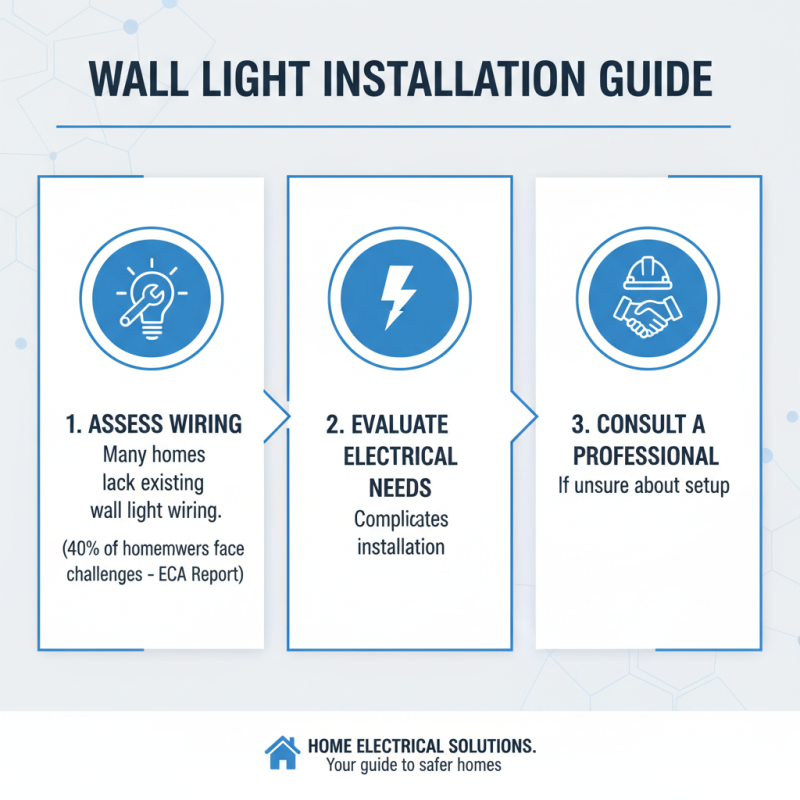
When choosing wall lights, it's essential to consider installation options and electrical requirements. Many homes lack existing wiring for wall lights. This can complicate installation. According to a report by the Electrical Contractors Association, about 40% of homeowners face challenges due to inadequate wiring. It's wise to consult a professional if you're unsure about your electrical setup.
Many wall lights need a specific type of bulb. LED options are common and energy-efficient. Be mindful of the wattage requirements. Exceeding the recommended wattage can lead to safety hazards, including fire risks. Always adhere to the manufacturer’s specifications. For those inexperienced with electrical work, hiring an electrician can be a safe bet.
When assessing your wall space, consider the height and location of the lights. Avoid placing lights too high or too low. This can affect both functionality and ambiance. It’s also crucial to think about dimmers. They provide flexibility in lighting intensity, enhancing the atmosphere. Inspect your electrical circuit to avoid overload. Planning carefully ensures you achieve both style and safety with your wall lighting choices.