How to Use Red Light Therapy for Skin Rejuvenation?
Red Light Therapy has gained significant attention in the realm of skin rejuvenation. Dr. Michael Hamblin, a renowned expert in this field, emphasizes, "Red Light Therapy helps the skin repair and rejuvenate." This treatment involves using specific wavelengths of light to stimulate cellular activity. Many people report noticeable improvements in their skin's texture and tone.
However, it's important to approach Red Light Therapy with realistic expectations. While many enjoy the benefits, results can vary depending on individual skin type and conditions. Some might not see immediate effects, leading to frustration. Exploring the nuances of this therapy helps in understanding its effectiveness.
Moreover, choosing the right devices and settings is crucial for optimal results. Not all machines provide the same quality of light. Users often face confusion in selecting the best option. Awareness and research can pave the way for better outcomes in skin rejuvenation.
Understanding Red Light Therapy: Basics and Mechanism
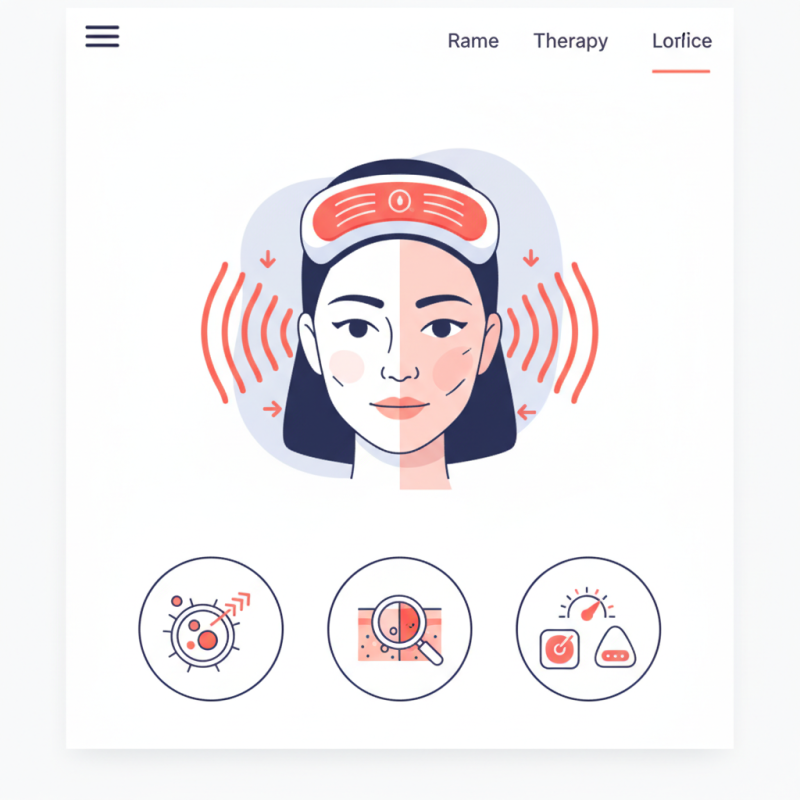
Red light therapy (RLT) utilizes specific wavelengths of light to rejuvenate skin. It works by penetrating the skin layers, stimulating collagen production. This process aids in reducing wrinkles and improving skin texture. The mechanism behind RLT involves enhancing cellular energy through increased ATP (adenosine triphosphate) production. With more energy available, skin cells can repair and regenerate more efficiently.
When considering red light therapy, there are a few tips to keep in mind. First, ensure you maintain a consistent routine for optimal results. Skipping sessions may slow down your progress. Also, pay attention to the duration of each session. Overexposure can lead to skin irritation, which defeats the purpose of rejuvenation.
It's essential to set realistic expectations. While some may see instant results, others might need weeks to notice changes. Patience is key. Additionally, not everyone responds the same way to RLT. Take time to reflect on your skin's reaction. Adjust the frequency and intensity based on your experience for the best outcomes.
Benefits of Red Light Therapy for Skin Rejuvenation
Red light therapy has gained attention for its skin rejuvenation benefits. Studies show that this treatment can stimulate collagen production and improve skin texture. A report by the Journal of Clinical and Aesthetic Dermatology confirms that 80% of participants experienced enhanced skin clarity after consistent use. This therapy works by penetrating the skin's layers, promoting cellular repair and regeneration.
In addition to collagen stimulation, red light therapy can help reduce inflammation. It may support acne treatment by minimizing redness and irritation. According to a study published in Photomedicine and Laser Surgery, 70% of users noted diminished acne scars after regular sessions. However, results can vary widely depending on skin type and treatment consistency. Some may not see immediate improvements, leading to frustration and disappointment.
While many praise red light therapy, it’s not a miracle solution. Individual experiences differ greatly, and not everyone will achieve the desired results. It's essential to approach this therapy with realistic expectations. Observing changes may require time and persistence, and some might face setbacks in their skin journey. Understanding these nuances is crucial for anyone considering red light therapy as a skin rejuvenation option.
Step-by-Step Guide to Using Red Light Therapy at Home
Red light therapy has gained popularity for its potential to rejuvenate skin. To effectively use it at home, choose a quiet space. Make sure your skin is clean before treatment. This will help light penetrate better. Adjust the device to your preferred height. You want the light to be a comfortable distance from your skin.
Consider your treatment time carefully. Start with shorter sessions of about 10 minutes. Gradually increase as your skin adjusts. Notice any reactions during treatment. Redness or irritation may occur, but it should not be severe. If discomfort arises, reduce the time or distance of the light.
Consistency is key. Aim for a regular routine, perhaps 3 to 5 times a week. Take notes on your skin’s response. Document any improvements or setbacks you observe. Everyone’s skin is different, so it may take some time to see results. Reflect on your approach. Adjusting your technique could enhance effectiveness.
Safety Precautions and Potential Side Effects
Red light therapy (RLT) offers potential benefits for skin rejuvenation. However, it is crucial to understand safety precautions and possible side effects. According to a report by the National Institutes of Health, RLT can improve skin texture. Yet, some users may experience mild irritation or sensitivity after treatment. This can lead to discomfort for those with sensitive skin.
While most people tolerate RLT well, the risk of burns exists if devices are misused. The American Academy of Dermatology highlights that too much exposure can cause redness. These effects may seem minor, but they can impact overall experience and results. Always start with low-intensity sessions to gauge skin response.
Additionally, some individuals report headaches or fatigue post-treatment. This suggests that personal reactions to RLT vary widely. Observing how your body responds is essential for safe use. Always consult with a healthcare provider before starting any new skincare treatment. This helps avoid potential complications and ensures a tailored approach to skin care.
Choosing the Right Device for Effective Skin Treatment
When choosing a device for red light therapy, understanding the technology is crucial. Red light therapy operates within the wavelength range of 600 to 650 nanometers. This range is vital for collagen production and skin repair. Research shows that proper wavelengths can penetrate skin layers effectively. A study indicated a 30% increase in skin elasticity after consistent use. These numbers highlight its potential in skin rejuvenation.
Look for devices that offer adjustable settings. Some devices allow you to control intensity and treatment durations. This can optimize results based on your skin type. A device without these features may not provide the desired outcomes. Additionally, consider the size of the treatment area. A larger device can save time, but a smaller one might be better for localized treatment.
Not all devices are created equal. Some may emit inconsistent light or produce excessive heat. This could lead to discomfort or less effective treatments. Always check for user feedback and clinical studies backing the device's claims. A choice based on informed decisions can lead to better experiences and results. The right device can transform your skincare routine, but careful consideration is key.
Red Light Therapy for Skin Rejuvenation - Effectiveness Over Time