Contemporary Lighting Tips for Elevating Your Space?
In today’s fast-paced world, the right atmosphere in your home is crucial. Contemporary lighting plays a significant role in creating that ambiance. It can transform a dull space into a vibrant one. Choosing the right fixtures and bulbs can elevate your decor.
Many people overlook the impact of light in their homes. Light can change colors, moods, and even the perception of space. Lighting is not just functional; it is an art. Contemporary lighting options are versatile and stylish, yet practical.
Exploring various designs and placements allows for personal expression. However, with so many choices, it can be overwhelming. It’s essential to understand how to blend aesthetics with functionality. Not every light works for every space. Experimentation and reflection are keys to finding what fits best.
Understanding the Role of Lighting in Interior Design Aesthetics
Lighting plays a crucial role in shaping the aesthetics of interior design. The right light can transform any space, creating a mood or highlighting features. Natural light is essential, giving rooms warmth and life. Using mirrors strategically can amplify sunlight, making the area feel larger and more inviting.
When it comes to artificial lighting, layers matter. Consider ambient, task, and accent lighting. Ambient light sets the overall tone. Task lighting focuses on specific areas, such as reading nooks or kitchens. Accent lighting highlights artwork or architectural elements. Each layer contributes uniquely, creating depth and interest.
Select fixtures that complement your style. Pendant lights offer drama, while sconces are subtle. The color temperature matters too; warm light promotes relaxation, while cooler light is invigorating. Mind the height of fixtures to avoid overwhelming the space. Sometimes, less is more, leaving space for the eyes to rest. Experimentation is encouraged; not every choice will resonate, and that’s okay.
Contemporary Lighting Tips for Elevating Your Space
This chart illustrates the importance of different lighting types in interior design, rated on a scale of 1 to 10. Ambient light is essential for overall illumination, while task and accent lighting serve specific functional and aesthetic purposes. Natural light plays a crucial role in enhancing a space, while decorative lighting adds character.
Exploring Different Types of Contemporary Lighting Fixtures
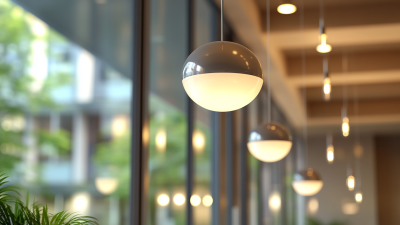
Lighting plays a crucial role in shaping the ambiance of a space. When considering contemporary lighting fixtures, you have many styles to explore. Pendant lights, for instance, can create a bold statement in dining areas or kitchens. Their diverse shapes and finishes allow for personal expression while providing functional illumination.
Wall sconces offer another dimension to your decor. They can enhance any room's atmosphere while saving floor space. Choose adjustable sconces for flexibility. As you style your space, consider layering lights to achieve depth. Use a mix of ambient, task, and accent lighting for a balanced arrangement.
Experimenting with dimmable lights can transform your setting at any hour. This feature allows you to adjust brightness based on mood or activity. While selecting fixtures, balance aesthetics with practicality. Ensure that each piece complements your overall design theme. Remember, lighting can dramatically influence how you feel in a space. Reflect on how different options align with your vision.
Key Lighting Techniques to Enhance Spatial Perception
Lighting plays a vital role in spatial perception. The right techniques can drastically alter how a space feels.
Ambient lighting creates a soft glow. This helps to establish warmth. However, too much can wash out colors and emotions.
Use it strategically to create a calm foundation.
Task lighting is equally important. It provides focused illumination for specific tasks. A well-placed desk lamp can improve productivity.
Yet, if too bright, it may cause eye strain. Balancing intensity is essential. Consider using dimmers to adjust brightness.
This allows for versatility in various situations.
Accent lighting adds depth and character. Highlighting artwork or architectural features can draw the eye.
This is where creativity can flourish. However, be mindful of shadows. Poor placement can create unwanted contrasts.
Experimentation is key, but strive for harmony. Remember, lighting is not just functional; it shapes the mood and experience of your space.
The Impact of Color Temperature on Mood and Ambiance
The color temperature of your lighting can drastically affect the mood of a room. Warmer tones, typically ranging from 2700K to 3000K, create a cozy atmosphere. They evoke feelings of comfort and relaxation. This is ideal for spaces like living rooms or bedrooms. Imagine a soft amber hue wrapping around a sofa, encouraging conversation and tranquility.
On the other hand, cooler tones above 4000K can energize a space. They promote alertness and focus, making them perfect for workspaces or kitchens. Picture a bright, daylight-like illumination enhancing a sleek kitchen counter. But too much brightness can be overwhelming. It is essential to strike a balance based on the activities you enjoy in your space.
Using a mix of color temperatures can also add depth. Some areas can be brighter, while others remain softly lit. Experimenting is key. You might find that a warmer glow in your office creates a relaxed working environment, or that cooler lights during dinner enhance your culinary presentation. With so many possibilities, the journey of finding the right ambiance is a rewarding reflection of your taste.
Sustainable Lighting Solutions for Modern Interiors
Sustainable lighting is a crucial aspect of modern interiors. Incorporating eco-friendly bulbs can significantly reduce energy consumption. LED lights, for instance, consume less power and have a longer lifespan compared to traditional bulbs. Their versatility allows for creative uses in various spaces, enhancing the aesthetic appeal while promoting sustainability.
Consider using fixtures made from recycled materials. This not only supports environmental efforts but adds a unique character to your home. Beautiful pendant lights crafted from repurposed metals can serve as conversation starters. Likewise, natural materials like bamboo or cork can bring warmth and texture to your interiors.
It's important to reflect on your lighting choices regularly. Even in sustainable designs, you may find areas for improvement. Are your light sources effectively illuminating your spaces? Evaluate how different lights affect mood and functionality. This ongoing assessment can guide you toward smarter choices that balance beauty, sustainability, and practicality.