What Is a Level 3 DC Fast Charging Station?
A Level 3 DC fast charging station can turn a long roadside stop into a brief pause. It supplies direct current to a vehicle’s battery, bypassing the car’s slower onboard AC charger. In North America, “Level 3” is common industry language; the term can vary across standards and markets. The practical question is simple: how quickly can a specific vehicle accept power?
The International Energy Agency’s Global EV Outlook 2024 reported that public charging points worldwide grew by about 40% in 2023, with fast chargers expanding faster than slower units. That growth makes charging speed more visible, but a station’s rated output does not guarantee the same charging time for every driver. Battery temperature, state of charge, vehicle limits, and shared site power all matter. A 150 kW unit may not deliver 150 kW continuously.
Real-world conditions count.
IEA Executive Director Fatih Birol said, “The future of road transport is electric, and the world is already seeing a rapid acceleration in the deployment of electric cars.” His observation points to the wider shift; reliable charging is part of making that shift practical. This guide explains what a Level 3 DC fast charging station is, how it works, and what its power ratings mean at the plug. It also looks at costs, connectors, and site requirements. One caveat deserves attention: “fast” is not a promise of a fixed stop time. The label is useful, but incomplete.
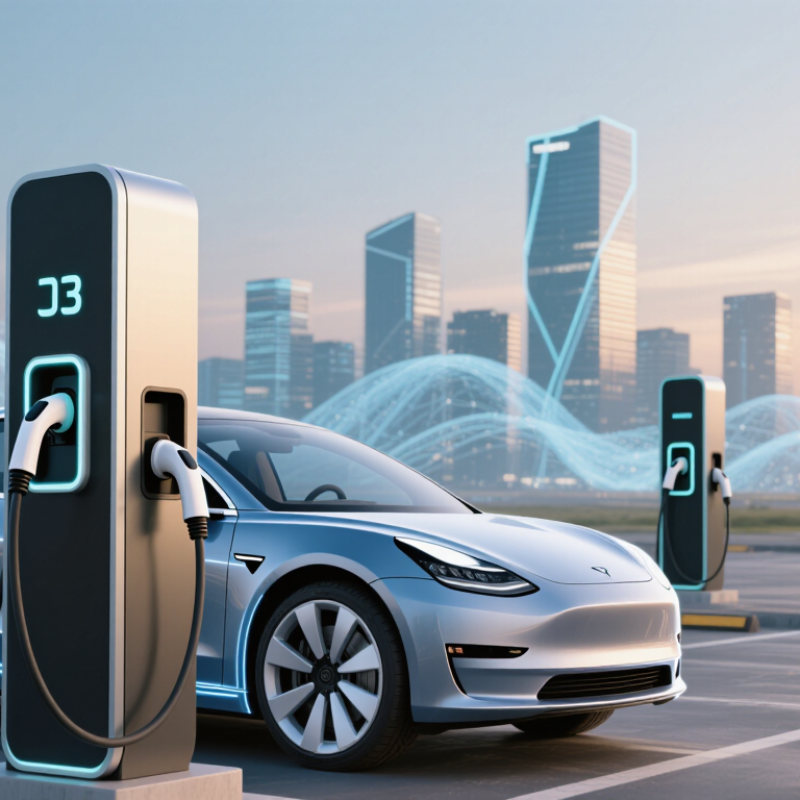
## What “Level 3” Means: DC Fast Charging at 50 kW and Above
“Level 3” is common shorthand for DC fast charging, typically referring to stations rated at 50 kW or higher. Unlike Level 1 or Level 2 equipment, a DC station sends direct current to the vehicle’s battery, bypassing its onboard AC charger. The car still manages how much power the battery can safely accept. That distinction matters: a 150 kW station cannot make every vehicle charge at 150 kW.
A 50 kW unit may add useful range during a short stop, while higher-rated equipment can deliver more when the vehicle supports it. Actual power changes during a session. Battery temperature, state of charge, and station capacity can all affect the rate. Charging often slows as the battery fills. Fast, but not constant. The “Level 3” label is useful, though not perfectly tidy; station ratings and vehicle limits vary.
Tips: Check your vehicle’s maximum DC charging rate before choosing a station. If the battery is cold or nearly full, expect slower charging. Look at the live power shown on the vehicle or station screen, not just the number on the connector. A brief stop may be enough. A little planning helps, even if the result is not always predictable.
## Power and Connectors: How Stations Deliver Up to 350 kW
A Level 3 DC fast charging station converts incoming grid power into direct current for a vehicle’s battery. This largely bypasses the slower AC-to-DC equipment inside the car. Power electronics regulate voltage and current, while sensors monitor temperature and charging limits. The process is controlled, not simply a large current pushed into the battery.
Up to 350 kW is a station’s peak rating, not a promise for every charging session. Power depends on the vehicle’s battery voltage, its state of charge, and temperature. A cold battery may accept less current, even when the charger can supply more. The headline figure is easy to overread.
Connectors must carry substantial current and communicate with the vehicle. Their shape and electrical requirements vary by region and vehicle design. At very high power, thick cables can be difficult to handle, so some stations use liquid-cooled cables to manage heat. The station and car negotiate a safe charging level before power rises.
A cabinet may feed several dispensers, and those dispensers can share its available capacity. So a 350 kW unit may deliver less when another vehicle is charging nearby. That detail is easy to miss. In practice, the displayed rating describes capability; the car’s live charging curve tells a more useful story.
What Is a Level 3 DC Fast Charging Station?
Typical station power ratings range from about 50 kW to 350 kW. These are peak outputs; the vehicle, battery temperature, state of charge, and available site power affect the power delivered during a charging session.
Connector standards define how a vehicle connects to a station, but the connector alone does not determine charging speed. Actual charging power is limited by both the station and the vehicle.
## Charging Process: Why 20–80% Can Take About 20–60 Minutes
What Is a Level 3 DC Fast Charging Station?
Charging Process: Why 20–80% Can Take About 20–60 Minutes
A Level 3 station supplies direct current to the battery, bypassing the car’s onboard AC charger. The U.S. Department of Energy’s Alternative Fuels Data Center estimates that DC fast charging can take an EV to 80% in about 20 minutes to one hour. That broad range reflects differences in vehicle capability, battery size, and charging conditions. A station’s peak-power rating alone cannot predict your stop time.
Charging is often quickest when the battery is relatively low. As it fills, the vehicle usually reduces power to manage heat and protect battery cells. Cold or hot battery temperatures can slow charging, too. The final stretch toward 100% may take disproportionately longer, so drivers often stop near 80% on a trip. A useful, imperfect rule: plan for 20–60 minutes from 20% to 80%, then check the vehicle’s live estimate. The International Energy Agency’s Global EV Outlook 2024 tracks the growing availability of fast-charging infrastructure, but more stations do not make every car charge at the same rate. Real-world timing can still surprise you.
## Station Infrastructure: Grid Supply, Power Conversion, and Cooling
A Level 3 DC fast charging station draws substantial power from the local grid, often through dedicated service equipment. The incoming supply may be medium-voltage AC, stepped down by transformers before reaching the charger’s power electronics. Site engineers assess available capacity, cable routes, and peak demand before installation. It looks compact. The grid connection is not.
Inside the cabinet, rectifiers convert AC electricity into controlled DC output for the vehicle battery. Power modules may share the load, so output can change as other vehicles plug in or a battery nears its charging limit. Sensors monitor voltage, current, and temperature. Ratings matter here. A listed peak power is not always the power a vehicle receives.
Heat must leave the system. Fans or liquid-cooling loops move it away from power components and, in some designs, charging cables. Dust, blocked vents, high outdoor temperatures, and worn filters can reduce cooling performance. Airflow is easy to overlook—and easy to regret. Regular inspections help, though the right schedule depends on the equipment and site conditions.
## Vehicle Compatibility and Charging Speed: Battery Limits Matter
A Level 3 DC fast charging station sends direct current to a vehicle’s battery, bypassing the smaller onboard charger used for AC charging. But a powerful station cannot make every vehicle charge at the same rate. The car’s charging port and supported charging standard must match. So must the station connection.
The battery sets a practical ceiling. A vehicle designed to accept 100 kilowatts will not suddenly take 250 kilowatts from a higher-rated station. Charging speed also depends on battery temperature and charge level. Cold changes things. A cold battery may limit power until it warms; near full, many vehicles reduce power to protect the cells. The number shown on the charger is a maximum, not a promise.
For a useful estimate, check the vehicle manual for its peak DC charging rate and connector type. Then consider the battery’s starting charge and conditions. A stop from 15 to 55 percent may be much faster than one from 75 to 95 percent. That is the ceiling. It is tempting to compare stations by their highest advertised output, but that figure alone says little about a particular trip. Real charging curves vary, and even a careful estimate can miss the mark.
What Is a Level 3 DC Fast Charging Station? — Vehicle Compatibility and Charging Speed: Battery Limits Matter
| Illustrative Vehicle Profile | Battery Capacity | Vehicle’s Maximum DC Charge Rate | Station Power Rating | Vehicle-Limited Peak Rate | Approximate 10–80% Charging Time |
| Compact electric vehicle | 60 kWh | 50 kW | 150 kW | Up to about 50 kW | About 60–75 minutes |
| Mid-size electric vehicle | 75 kWh | 150 kW | 150 kW | Up to about 150 kW | About 35–50 minutes |
| Long-range, high-charge-rate electric vehicle | 100 kWh | 250 kW | 350 kW | Up to about 250 kW | About 30–45 minutes |
| High-charge-rate vehicle at a lower-powered station | 100 kWh | 250 kW | 50 kW | Up to about 50 kW | About 90–115 minutes |
How to read these estimates: A vehicle can only draw power supported by both the station and its own charging system. Charging power commonly tapers as the battery fills, especially at higher states of charge, so the peak rate is not maintained throughout a session. Times are illustrative estimates for a 10–80% charge and vary with battery temperature, battery condition, vehicle settings, and station conditions. The vehicle and station must also have a compatible connector and charging communication system.