What is Holographic Film and How is it Used in Industries?
Holographic Film has emerged as a vital tool in various industries. This innovative material is more than a visual marvel; it plays a critical role in packaging, security, and advertising. According to a recent report by Smithers, the global market for holographic film is expected to reach $2.5 billion by 2027. This growth indicates a significant shift towards advanced packaging technologies that enhance both product security and consumer engagement.
The unique properties of Holographic Film allow for intricate designs that reflect light in captivating ways. The film can deter counterfeiting, an issue that costs businesses an estimated $1 trillion annually. Brands can fortify their identity by incorporating holographic features. Yet, the production process is complex. It often requires specific machinery and technical know-how, which can be a barrier for smaller companies.
While the benefits are clear, challenges persist. The environmental impact of producing holographic film raises questions. As industries push for sustainability, finding eco-friendly alternatives is essential. Engaging with these issues showcases a commitment to both innovation and responsibility. Adopting Holographic Film means navigating a landscape of technological possibilities and ethical considerations.
What is Holographic Film? Definition and Key Characteristics
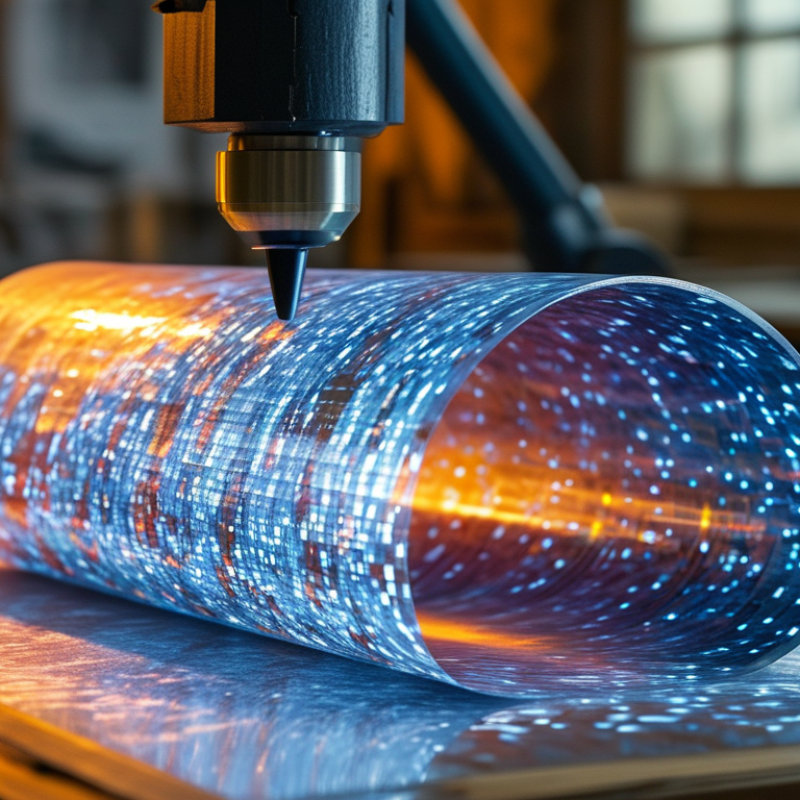
Holographic film is a sophisticated optical material. It captures light in a way that creates a three-dimensional image. This technology is utilized across various industries, particularly in packaging, security, and advertising. According to a recent report by the MarketsandMarkets research firm, the global holographic film market is projected to reach $5 billion by 2026, reflecting its increasing importance and application.
The key characteristics of holographic film include its ability to display vibrant colors and intricate designs. This feature makes it a valuable tool for brands seeking to stand out. Holographic films are often produced using photopolymers and various layering techniques. These materials can provide durability and resistance to environmental factors. However, the manufacturing process can be complex, which might lead to inconsistencies in quality that require careful monitoring.
Tips for utilizing holographic film effectively include ensuring proper alignment during production. Misalignment can lead to flawed images. Additionally, test the film on a small scale before full implementation. Consider the film’s interaction with different light sources, as this can affect its visual impact. Continuous innovation in this field requires constant adaptation and improvement. Embracing feedback from various applications can drive that evolution.
Holographic Film Usage in Various Industries
This chart illustrates the percentage of holographic film usage across various industries, highlighting the significant role it plays in packaging, automotive, consumer electronics, security, and medical sectors.
Types of Holographic Films Used in Various Industries
Holographic films are versatile materials widely used in several industries. These films can create three-dimensional images through light interference. Their applications vary from packaging to security features. For instance, the packaging sector uses holographic films to enhance visual appeal. According to a recent report, the global holographic film market is projected to reach $7.4 billion by 2026, driven by demand for innovative packaging solutions.
In the automotive industry, holographic films serve both functional and aesthetic purposes. They are used in dashboards and displays for enhanced visibility and safety. The electronics sector also utilizes these films for security labels, making it harder for counterfeiters to replicate products. This increased focus on security is crucial, as the global losses from counterfeiting were estimated at $2.3 trillion in 2021.
Tips: When selecting holographic films, consider the specific needs of your product. Evaluating factors like light transmission and durability is essential. Regularly update your knowledge on market trends to stay competitive in this evolving landscape. Conducting thorough research can help prevent mistakes. The right information can guide you through choosing the best film for your application.
Applications of Holographic Film in Packaging and Security
Holographic film is increasingly gaining traction in various industries, especially in packaging and security. Its vibrant, shifting colors and complex patterns make it popular for creating eye-catching packaging. Brands use holographic film to grab consumer attention. Products with such packaging stand out on shelves, leading to increased sales. The film can also convey a sense of luxury and innovation.
In security applications, holographic film offers protection against counterfeiting. It is commonly used in documents such as ID cards and passports. The film features intricate designs that are hard to replicate. This complexity helps ensure the authenticity of important items. Businesses are investing in holographic technology to improve security measures.
Tips: Always consider the environmental impact of holographic materials. Some films are not easily recyclable. Check for sustainable options if you plan to use holographic film. Additionally, ensure that the application method you choose preserves the film's integrity during production. Small mistakes can lead to reduced effectiveness.
Benefits of Using Holographic Film in Marketing and Branding
Holographic film offers unique advantages in marketing and branding. Its ability to create captivating visuals engages customers effectively. This eye-catching medium allows brands to stand out in a crowded market. The dynamic patterns and colors attract attention, making products memorable.
Using holographic film can evoke curiosity. This curiosity leads to deeper customer engagement. Brands find that customers are more likely to share products featured with holographic designs. It transforms traditional packaging into a conversation starter. However, not every design will resonate. Testing and feedback are important to ensure the right message is conveyed.
Incorporating holographic effects can be a challenge. It requires expertise to maintain quality and visual impact. Brands must also consider production costs. Striking a balance between creativity and budget is essential. The benefits can be significant, but each project requires careful planning.
Future Trends and Innovations in Holographic Film Technology
Holographic film technology is evolving rapidly. This innovation offers unique applications across various sectors. Emerging industries are beginning to recognize the film’s potential. Since it can display vivid, three-dimensional images, the film improves branding and marketing strategies.
In the security realm, holographic films enhance document protection. They help in preventing counterfeiting, making important documents more secure. However, achieving the right balance between cost and effectiveness remains a challenge. Many companies grapple with integrating this technology into existing products.
Sustainability is also a growing concern. Developers are exploring greener materials for holographic films. Innovations in this area could significantly reduce waste. Yet, some manufacturers still prioritize performance over environmental impact. Striking a balance between innovation and sustainability is essential for future advancements.
What is Holographic Film and How is it Used in Industries? - Future Trends and Innovations in Holographic Film Technology
| Application Area | Description | Advantages | Future Trends |
| Packaging | Used for creating eye-catching, secure packaging that features anti-counterfeit properties. | Enhances product appeal; deters counterfeiting; potential for interactive designs. | Integration with augmented reality; personalization options. |
| Security Features | Holographic films are used on documents like IDs, currency, and certificates for verification. | Difficult to replicate; provides a strong layer of trust. | Development of more sophisticated security features utilizing advanced holography. |
| Advertising | Used in point-of-sale displays and promotional materials, offering 3D visuals. | Captivates consumer attention; enhances brand image; creates unique experiences. | Utilization of interactive screens with holographic projections. |
| Medical Devices | Incorporated in various diagnostic tools for accurate imaging and data visualization. | Improves diagnostic accuracy; enhances informational output. | Adoption in wearable health technology and telemedicine. |
| Automotive | Used in car displays and branding elements to improve aesthetics and functionality. | Enhances vehicle safety features; modern look. | Integration with smart technology for driver information systems. |