What is a Gasoline Parking Heater and How Does it Work?
A Gasoline Parking Heater is an effective solution for keeping your vehicle warm during cold weather. Designed to work independently from the engine, this heater runs on gasoline, offering convenience and efficiency. It provides immediate warmth, allowing you to start your day comfortably without waiting for engine heat.
These heaters are particularly popular among outdoor enthusiasts and commercial drivers. They enable quick defrosting of windshields and comfortable cabin temperatures. However, their installation and operation require careful consideration. Users must ensure proper ventilation and follow safety guidelines to avoid potential hazards.
Understanding how a Gasoline Parking Heater operates is essential for maximizing its benefits. It utilizes a combustion chamber to heat air, which then circulates through the vehicle’s interior. Despite its advantages, users might overlook maintenance, leading to performance issues. Regular checks can prevent breakdowns, ensuring a reliable heat source when needed most.
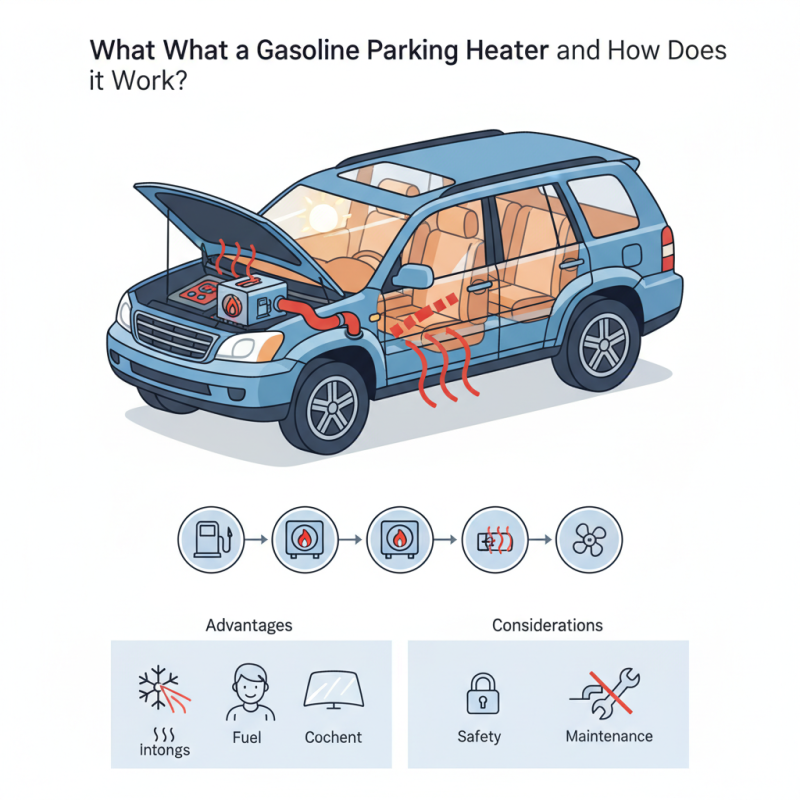
What is a Gasoline Parking Heater?
A gasoline parking heater is a compact heating system designed to warm up vehicles before use. These heaters are particularly useful in cold weather. They help prevent the engine from freezing and ensure a comfortable cabin temperature. Many users find this feature essential, especially in harsh climates.
The system works by drawing gasoline from the vehicle's fuel tank. It heats the air using a heat exchanger. This heated air is then blown into the vehicle's cabin. Some systems can even preheat the engine, reducing wear and tear. However, installation can be complicated. A poorly installed system may lead to inefficiencies or safety issues.
While gasoline parking heaters offer comfort, they can also be a source of concern. Their operation requires proper maintenance for safety. Regular checks can prevent malfunctions. Some users report inconsistent heat levels, which can be frustrating. It's important to consider these factors before investing in such a system.
Principle of Operation: How Gasoline Parking Heaters Function
Gasoline parking heaters are devices that warm up vehicles before starting. They are popular in cold climates. Their primary function is to heat the engine and the cabin. This prevents the engine from seizing in low temperatures. In fact, studies show that parking heaters can improve fuel efficiency by up to 30% during winter months.
The principle of operation is straightforward. A gasoline parking heater burns fuel to generate heat. Hot air is then circulated through the vehicle's cabin and engine. This process does not require the vehicle to be running. It uses a small amount of fuel while operating. Typically, these heaters consume about 0.2 to 0.5 liters of fuel per hour. This can seem wasteful in a way, as they need fuel for operation without directly propelling the vehicle.
Despite their efficacy, there are areas that merit reflection. Some users may overlook maintenance needs, which can reduce efficiency. Blocked air intakes or faulty fuel lines can impede performance. Additionally, safety concerns arise if installation isn't done correctly. Understanding these potential pitfalls is essential for users considering a gasoline parking heater. Awareness can lead to better choices and safer operation in the long run.
Components of a Gasoline Parking Heater Explained
A gasoline parking heater is a convenient device. It provides warmth to vehicles parked outdoors. This is especially useful during the cold months. The main components of this heater include the combustion chamber, fuel pump, and control unit.
The combustion chamber ignites the gasoline fuel. As the fuel burns, it creates heat. This warm air circulates through the vehicle, raising the interior temperature. The fuel pump delivers gasoline from the tank to the heater. It ensures a steady supply for efficient heating. The control unit regulates the temperature, maintaining comfort for occupants.
Tips: Regular maintenance is crucial. Check the fuel filter often. A dirty filter can reduce efficiency. Ensure proper insulation in your vehicle to retain heat. Also, monitor fuel levels to avoid running out during cold nights. Fuel quality is important too. Low-quality gasoline can cause performance issues. Always opt for high-grade fuel when possible.
Gasoline Parking Heater Components Overview
Installation and Maintenance of Gasoline Parking Heaters
Installing a gasoline parking heater requires careful planning and attention to detail. Choose a location that allows for proper airflow. This ensures safe operation and efficient heating. The unit should be mounted securely, preferably in the vehicle’s engine compartment or under the vehicle.
When installing, use high-quality materials to prevent leaks. It’s vital to follow the manufacturer’s guidelines to avoid issues later. A small mistake can lead to malfunction or safety hazards. After installation, make sure to test the system thoroughly. Look for unusual sounds or leaks; these are signs of potential problems.
Regular maintenance is crucial for the longevity of your heater. Clean the fuel filter regularly to ensure smooth operation. Check the exhaust system for blockages or damage. A well-maintained heater operates efficiently, but neglect can lead to issues. Don’t overlook the importance of periodic inspections. Address any problems immediately to avoid costly repairs later.
What is a Gasoline Parking Heater and How Does it Work? - Installation and Maintenance of Gasoline Parking Heaters
| Feature | Description |
| Heating Method | Uses gasoline as the fuel source to generate heat for the interior of the vehicle. |
| Power Source | Operates on the vehicle's battery for starting and ignition, while using gasoline from the tank for fuel. |
| Installation Location | Typically installed under the vehicle or in an accessible compartment, ensuring proper ventilation. |
| Control System | Can be controlled via a manual switch or a digital thermostat for temperature regulation. |
| Maintenance Frequency | Recommended maintenance every season to ensure optimal performance and safety. |
| Common Issues | Fuel clogging, electrical faults, and insufficient ventilation leading to poor performance. |
| Safety Measures | Installation must comply with safety standards to prevent fire hazards and ensure ventilation. |
Benefits and Applications of Gasoline Parking Heaters
Gasoline parking heaters offer numerous benefits for vehicle owners. They ensure a warm cabin during cold weather. These heaters use gasoline from the vehicle's fuel tank. The heating system operates independently of the engine, providing comfort without running the engine. This results in reduced emissions and fuel waste. According to a report from the International Council on Clean Transportation, parking heaters can decrease fuel consumption by 30% during idle times.
The applications of gasoline parking heaters are vast. They are commonly used in commercial vehicles, such as delivery trucks and buses. Many companies see value in keeping their vehicles warm. Studies show that warm vehicles can improve fuel efficiency and reduce engine wear. In extreme climates, these heaters ensure that vehicle fluids remain at optimal temperatures. This can prevent unwanted repairs and extend vehicle lifespan. However, not all users are aware of the potential inefficiencies. Some systems may create noise or require regular maintenance.
Gasoline parking heaters also support outdoor activities. They are popular among campers and outdoor enthusiasts. A cozy environment enhances the overall experience during cold nights. However, some users report challenges with installation. It can be complicated and may require professional assistance. Despite these issues, the overall benefits often outweigh the drawbacks. Efforts to streamline installation processes are ongoing.