How to Find the Best Lantern Festival Supplier in China?
Choosing a lantern festival supplier in China is not simply a matter of comparing prices. The right partner must turn a design brief into safe, durable installations that arrive on schedule. That takes production experience, clear communication, and evidence—not attractive catalog photos alone.
Demand for visitor experiences gives this sourcing decision real context. China’s Ministry of Culture and Tourism reported 5.615 billion domestic tourist trips in 2024, up 14.8% from 2023, with spending reaching 5.75 trillion yuan. These official tourism figures suggest a large events environment, but they do not guarantee orders for any supplier. That distinction matters. Buyers still need to check each factory’s capacity, materials, packing methods, and installation support against their own project.
A useful evaluation starts with specifics: request close-up photos of welded frames, fabric seams, paint finishes, and cable connections. Ask for a sample or a recent project reference. Confirm dimensions, lighting components, delivery dates, and which safety documents apply in the destination market. Get these details in writing. A large catalog can still hide uneven finishing, and a polished sample may not represent every production batch. That is easy to overlook. This guide explains how to assess a lantern festival supplier in China through verifiable evidence, practical questions, and realistic quality checks.
Define Your Lantern Festival Product and Project Requirements
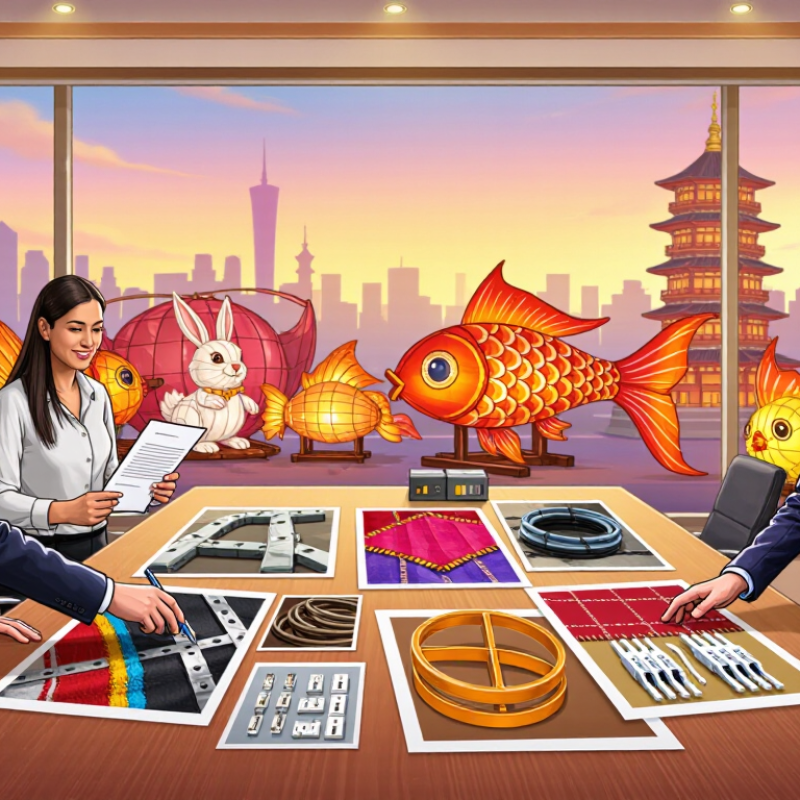
Before contacting a supplier, describe what you need to build and where it will be displayed. Specify the lantern shapes, approximate dimensions, quantity, colors, and whether the installation is indoors or outdoors. A six-meter arch needs different structural planning from a row of tabletop lanterns. Small details matter.
Share the site conditions, too. Note wind exposure, rain, available power, ground surface, visitor flow, and installation access. Include reference photos or a simple sketch with measurements. If the display uses lighting, clarify the desired brightness, operating hours, and cable routes. Avoid vague requests such as “large and traditional”; they leave too much room for mismatched expectations.
Set practical project limits before comparing quotations. Give the supplier a target budget, delivery location, installation date, and time available for assembly. Ask what materials, structural supports, lighting components, and packing methods are included. Request drawings and a sample or prototype when the design is complex. Measure twice. Then check whether the proposed design fits the actual site, not just the concept image. It is easy to overlook loading access or storage space, and those omissions can affect cost and schedule. Revise the brief when needed; a clear specification is useful, but it should not become a promise the site cannot keep.

Identify Suitable Supplier Types and Manufacturing Regions in China
A good supplier match starts with the product, not the location. For large, hand-built festival displays, consider specialist lantern makers in Zigong, Sichuan, known for elaborate structures and skilled frame-and-fabric work. For smaller decorative lanterns or repeat orders, Yiwu suppliers may offer broader seasonal-goods options. Guangdong manufacturers can be worth approaching when projects need lighting components, metalwork, or coordinated production. These are useful starting points, not guarantees; capabilities vary between factories.
Ask whether the supplier designs, manufactures, or simply trades the products. A trading company may coordinate several workshops, while a factory may control fabrication directly. Request recent project photos, material specifications, and a sample or prototype before approving a large order. Check how the frame is joined, how fabric seams are finished, and how electrical parts are protected from moisture. Details matter. A polished catalogue can still leave practical questions unanswered, and that is worth remembering.
Tips: Share dimensions, installation conditions, target quantities, and delivery dates in writing. Ask for a packing plan, since oversized lanterns can be damaged in transit. Compare quotations line by line. If a supplier avoids clear answers about materials or production steps, pause and verify before paying.
How to Find the Best Lantern Festival Supplier in China? — Supplier Types and Manufacturing Regions
| Supplier type or region | Typical products or capabilities | Best suited for | Points to verify before ordering |
|---|---|---|---|
| Full-service festival lantern fabricator | Custom large-format lantern displays, metal or other structural frames, fabric or translucent coverings, lighting, and themed installations. | City festivals, parks, commercial venues, and projects requiring coordinated design, fabrication, and installation. | Ask for project drawings, material and lighting specifications, installation plans, packing details, and evidence of experience with projects of comparable scale. |
| Traditional lantern craft workshop | Handcrafted lanterns and decorative pieces using regional craft techniques; product styles and materials vary by workshop. | Heritage-themed events, cultural displays, smaller installations, and orders emphasizing traditional appearance. | Confirm the construction method, materials, dimensions, finish, weather suitability, and whether the workshop can meet the requested quantity and schedule. |
| LED and lighting-component manufacturer | LED strips, modules, power supplies, controllers, and other electrical components that can be used in illuminated displays. | Buyers who already have a lantern fabricator or need to source lighting components separately. | Check voltage and plug requirements, applicable electrical certifications for the destination market, waterproof ratings where needed, and compatibility with the display design. |
| Export-oriented sourcing or trading supplier | May consolidate festive decorations or coordinate sourcing from multiple producers; capabilities depend on the individual supplier. | Buyers seeking a single point of contact for assorted products, export paperwork, or consolidated shipments. | Clarify which items are made in-house, who is responsible for quality inspection, how specifications are approved, and who handles freight and after-sales issues. |
| Zigong, Sichuan | A well-known Chinese center for large-scale decorative lantern making and lantern-festival displays, including custom themed installations. | Large public displays and projects where design, fabrication, and installation coordination are important. | Request recent project references, structural and electrical plans, installation scope, transport arrangements, and a clear breakdown of on-site costs. |
| Gaocheng, Shijiazhuang, Hebei | Associated with traditional Chinese palace lantern production and related lantern craftsmanship. | Traditional-style lanterns, decorative pieces, and projects seeking established regional craft styles. | Confirm whether the supplier specializes in the exact style required and whether its products are intended for indoor use, outdoor display, or both. |
| Guzhen, Zhongshan, Guangdong | A major lighting-industry cluster with manufacturers and suppliers of lighting products and components; it can be useful for sourcing illumination for lantern projects. | Projects that need LED products or lighting components, particularly when working with a separate lantern-structure fabricator. | Verify that the supplier can meet decorative-display requirements, not just general lighting needs, and check electrical specifications and environmental ratings. |
| Yiwu, Zhejiang | A large wholesale market and sourcing hub for a wide range of consumer and festive goods, including decorative items from various suppliers. | Buyers sourcing smaller decorative lanterns, assorted festival goods, or mixed-product orders. | Distinguish trading and sourcing services from direct manufacturing; approve samples and confirm production origin, customization limits, and inspection arrangements. |
Selection tip: Match the supplier to the project first. For a large custom festival installation, prioritize proven fabrication and installation capability; for lighting, assess electrical specifications separately; for mixed or smaller decorative orders, confirm whether the supplier is a manufacturer, workshop, or trading intermediary.
Verify Supplier Experience, Product Quality, and Compliance
A reliable lantern supplier should show more than attractive catalogue photos. Ask for three years of comparable production records, export experience, and references you can verify. Request a live factory walkthrough, then compare the workshop’s cutting, wiring, and packing processes with your sample order. Small details matter. Check seams, sharp edges, color consistency, and whether the lantern stays stable when assembled. A checklist helps, but it can also make buyers overconfident; one audit cannot guarantee every batch.
Quality and compliance need evidence tied to the exact product. Ask for material specifications, inspection records, and test reports showing the model, components, and intended market. For electrically lit lanterns, verify applicable electrical and labeling requirements with a qualified testing laboratory. NFPA’s 2024 report, using U.S. fire data from 2018–2022, estimated an average of 835 home fires each year involving holiday decorations, excluding Christmas trees. This is not a lantern-specific figure, but it shows why heat, wiring, and material checks deserve attention. Confirm that any safety claims match the tested construction, not a similar-looking sample. Paper can mislead. Keep approved samples and written inspection criteria, then inspect a production batch before shipment; even good suppliers can miss changes in materials or assembly.
How to Find the Best Lantern Festival Supplier in China?
Verify supplier experience, product quality, and compliance.
Suggested buyer-defined evaluation weights, not market survey results. Review relevant export experience, inspect samples and production quality, and confirm that product tests and documentation meet the requirements of your destination market.
Compare Samples, Pricing, Lead Times, and Shipping Options
When comparing lantern festival suppliers, request samples made with the same materials and finish planned for production. Check frame joints, paint consistency, fabric tension, and how evenly the lantern glows. Ask for photos of the sample beside a ruler, but inspect a physical unit when possible. Small defects show up clearly under bright indoor light. A sample can look excellent and still differ from the final batch, so confirm which specifications will be recorded in the order.
Compare quotes line by line. One price may include custom colors, packaging, or spare parts; another may not. Ask for costs at several order quantities and confirm what changes if artwork or dimensions are revised. Avoid choosing on unit price alone. Cheap can shift later. Request a written production schedule with sample approval, manufacturing, and packing dates. Add time for revisions and busy-season delays. I would leave a buffer, though the right amount depends on the design and order size.
Shipping options affect both timing and landed cost. Ask suppliers to quote air and sea freight separately, including estimated transit time, carton dimensions, and gross weight. Confirm who arranges export documents and whether delivery is to a port, warehouse, or final address. For fragile lanterns, request photos of the packed cartons and details on protective inserts. A tidy quote can still hide gaps. Check each assumption before paying a deposit, and keep key approvals in writing.
Finalize the Contract and Monitor Production Before Delivery
Once you have selected a supplier, put every important detail into the contract. List lantern dimensions, frame materials, fabric colors, lighting components, packaging, quantities, and delivery dates. Attach approved drawings or a signed sample photo; vague color names can cause avoidable disputes. Specify payment milestones and what happens if a sample or shipment misses agreed requirements. Keep it practical. If a term is unclear, ask for written clarification before paying a deposit.
Set inspection points before production begins. Ask for dated photos of the frame, wiring, fabric assembly, and finished lanterns, not only polished catalog images. A short video call from the workshop can help you check progress, though it cannot replace a physical inspection. For a large order, consider an independent inspector and agree on the inspection criteria in advance. Small details matter: a loose connector or uneven seam may be hard to notice in wide shots.
Before the goods are packed, compare a production sample with the approved specifications. Record defects with clear photos and request a corrective plan with dates. Confirm carton counts, labels, protective packing, and shipping documents before dispatch. I have seen buyers focus so much on appearance that they overlook replacement parts or spare lights. That is easy to regret later. Keep communication calm, specific, and documented, even when production slips.