What is Evse Adapter and How Does it Work?
The EVSE Adapter, a critical component in electric vehicle charging, connects the charger to the vehicle. According to Dr. Emily Johnson, a renowned expert in electric vehicle infrastructure, “The EVSE Adapter is essential for ensuring compatibility between various charging stations and electric vehicles.” This adapter simplifies the charging process and opens access to a wide range of public charging stations.
The technology behind the EVSE Adapter is innovative yet complex. It allows different charging standards to work together seamlessly. Various manufacturers produce charging stations, and the adapter ensures that users can connect their vehicles without hassle. However, the market can be overwhelming with choices. Selecting the right EVSE Adapter is crucial for both efficiency and safety.
Despite its importance, many EV owners may overlook the quality of the adapter they use. Not all EVSE Adapters are created equal. Some may not deliver the best performance. Users should research and choose adapters that comply with safety standards. This knowledge will empower them to make informed decisions, enhance the longevity of their vehicles, and ultimately support the growth of electric mobility.
What is an EVSE Adapter?
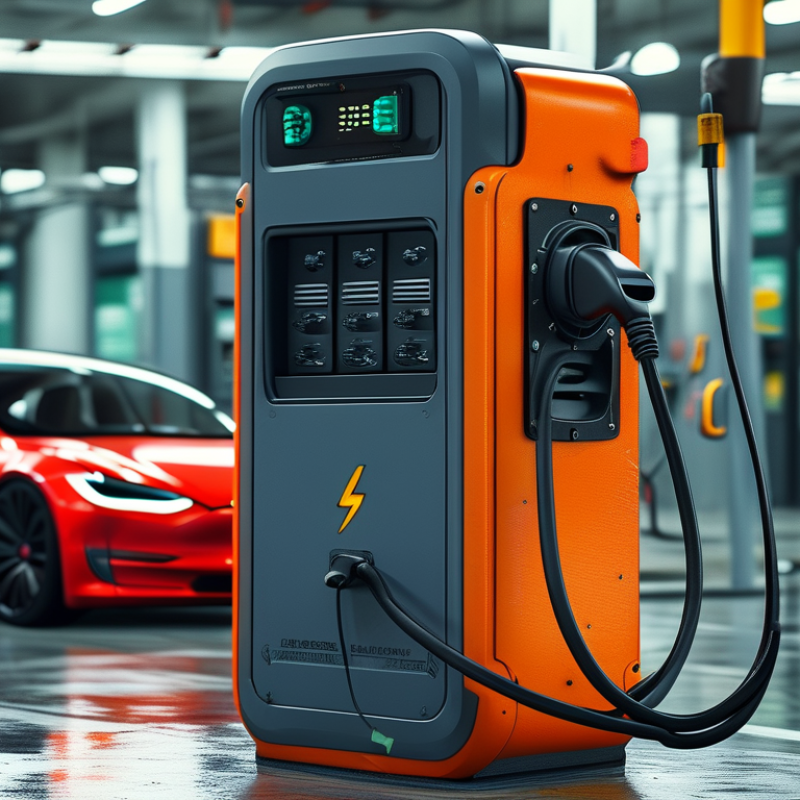
An EVSE (Electric Vehicle Supply Equipment) adapter is a vital component for electric vehicle (EV) owners. It allows the connection between an EV and various charging stations. This device ensures compatible charging for different types of EVs. Some adapters enable faster charging by managing the voltage and current supplied to the vehicle.
Recent reports from the International Energy Agency highlight the growing need for efficient charging solutions. In 2023, global EV sales surged, leading to an increased demand for adaptable charging equipment. EVSE adapters play a crucial role in this ecosystem by offering versatility for charging at home or public stations. They can accommodate specific connector types, enhancing user convenience and flexibility.
Tip: Always check adapter compatibility with your vehicle model. Using an incompatible adapter can result in inefficient charging or damage.
While many adapters offer excellent performance, some may not meet users' expectations. Users should remain aware of the specific features they need. This helps ensure they select the right adapter for their charging routines. Comprehensive research can aid in making informed decisions.
Tip: Look for adapters with safety certifications. This ensures they meet industry standards, reducing risks when charging your EV.
Components of an EVSE Adapter
EVSE adapters, crucial for electric vehicle (EV) charging, consist of several key components. Chief among these are the plug connectors, which vary between vehicle types. A level 1 EVSE utilizes a standard 120V outlet and is ideal for home charging. For those requiring faster charging, level 2 adapters are essential, as they operate at 240V. According to the U.S. Department of Energy, 78% of EV owners use level 2 charging at home, showcasing the popularity of faster home charging options.
Another integral component is the communication protocol. This feature allows the EV to communicate with the charging station. It helps manage charging speeds and battery health. According to a recent industry report, over 90% of EVSE equipment now supports smart charging technology, which is essential for optimizing energy use. Additionally, safety features like Ground Fault Circuit Interrupters (GFCIs) safeguard users against electrical hazards. These innovations reflect the industry's commitment to safety and efficiency.
Lastly, proper installation is often overlooked. Many users underestimate the importance of qualified electricians in integrating EVSE adapters into their existing electrical systems. Failing to do so can lead to performance issues and even safety risks. As highlighted by industry experts, continuous training for installers is necessary to keep pace with evolving technologies. Thus, while EVSE adapters are essential, their effectiveness heavily relies on quality components and professional installation.
Components of an EVSE Adapter
This bar chart illustrates the different components of an EVSE adapter and their respective contributions to its overall functioning. Understanding these components is crucial for grasping how an EVSE adapter works in charging electric vehicles.
How EVSE Adapters Facilitate Electric Vehicle Charging
Electric Vehicle Supply Equipment (EVSE) adapters play a crucial role in the EV charging ecosystem. These devices allow electric vehicles to connect to various charging stations. With the growth of electric vehicles, the demand for compatible charging solutions has surged. According to a report by the International Energy Agency, the global stock of electric vehicles exceeded 10 million in 2020. This marked an increase of 43% from the previous year. The role of EVSE adapters in this scenario cannot be understated.
EVSE adapters ensure that electric vehicles can charge efficiently and safely. They act as a bridge between the vehicle and the charging infrastructure. A well-designed adapter can handle different charging standards, which helps to reduce range anxiety among EV users. For instance, the adapter can support Level 1, Level 2, and even DC fast charging. However, there are limitations. Not all adapters are compatible with every charging station, which can lead to frustrating experiences for users.
Market insights indicate that by 2025, the global EV charging infrastructure market could reach $30 billion. This emphasizes the need for robust EVSE solutions. Consumers must stay informed about the options available for their vehicles. The diversity of charging types and standards can complicate the user experience, highlighting a need for clarity and education in the market. Ultimately, EVSE adapters facilitate a smoother transition to electric mobility, but challenges remain in achieving universal compatibility.
Types of EVSE Adapters and Their Applications
Electric Vehicle Supply Equipment (EVSE) adapters are essential devices for charging electric vehicles (EVs). They enable charging stations and vehicles to communicate effectively. Understanding the various types available can help users make informed choices. There are three main types of EVSE adapters: Level 1, Level 2, and DC fast chargers.
Level 1 adapters use a standard household outlet, providing 120 volts. They are suitable for home charging but require extensive charging time.
Level 2 adapters operate at 240 volts and are found in public charging stations. They significantly reduce charging time, making them an ideal choice for frequent users.
DC fast chargers deliver direct current and can charge an EV to 80% in just 30 minutes. According to a report by the International Energy Agency (IEA), the adoption of DC fast chargers increased by 45% globally in 2022.
Tips: When selecting an EVSE adapter, consider your charging requirements. Long-distance travelers may prefer DC fast chargers. Homeowners should weigh the benefits of Level 2 chargers for daily commutes. Make sure to check compatibility with your EV as not all adapters work universally. Investing in the right adapter can save time and improve the overall charging experience. Always consult user manuals for safety precautions and optimal use.
Safety Features and Considerations for EVSE Adapters
Electric Vehicle Supply Equipment (EVSE) adapters are essential for charging electric vehicles. However, safety should be a primary concern when using them. The adapters connect your vehicle to various charging stations. Improper use can lead to serious issues, including electrical shocks or equipment damage.
One crucial safety feature of EVSE adapters is the ground fault circuit interrupter (GFCI). This device cuts off electrical flow when it detects any fault, preventing shocks. Additionally, many adapters have overcurrent protection. This feature prevents overheating, which can cause fires. Always check these features before use.
Tips for safe usage: Regularly inspect your EVSE adapter for wear and tear. Replace any damaged components immediately. Ensure connections are secure and that the adapter matches the vehicle’s charging requirements. Lastly, avoid charging in wet conditions or areas with poor ventilation. Addressing these simple details can enhance safety and reliability when charging.