Why Contemporary Lighting is Essential for Modern Home Design
In the realm of modern home design, the integration of contemporary lighting has emerged as a fundamental element that transcends mere utility. Renowned lighting designer, Sarah McCarthy, emphasizes this necessity by stating, "Contemporary lighting is not just about illumination; it’s about creating a mood and enhancing the architectural beauty of a space." As we evolve in our understanding of environment and aesthetics, the role of light becomes increasingly significant in shaping our daily experiences within our living spaces.
The essence of contemporary lighting goes beyond functional enlightenment; it serves as an artistic expression that complements the sleek lines and minimalist design often found in modern homes. By strategically employing various lighting techniques, designers can transform a space, drawing attention to architectural features, artwork, and furnishings, while simultaneously ensuring adaptability to the changing needs of its inhabitants.
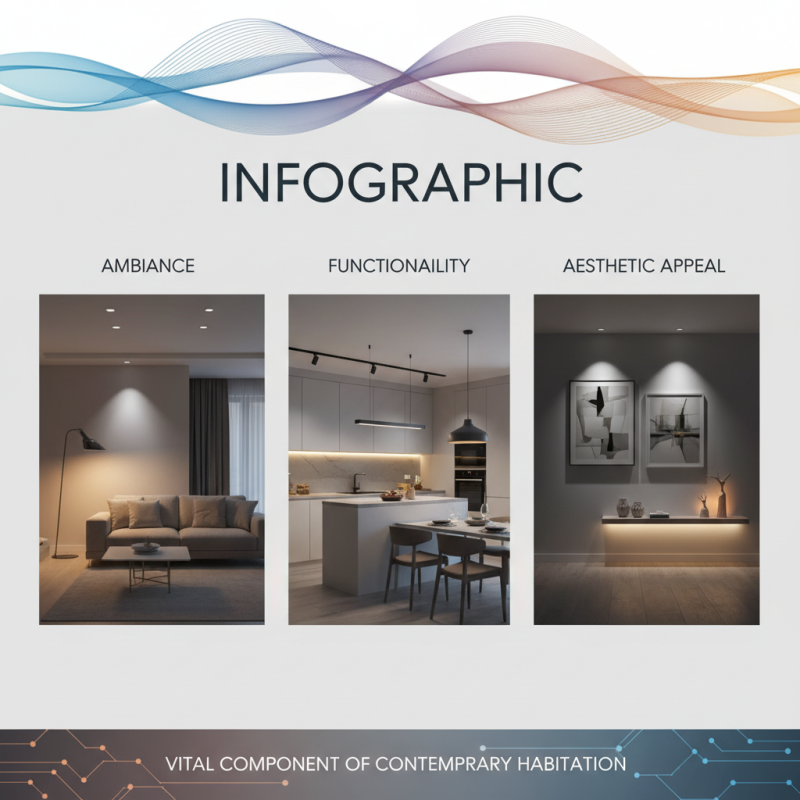
In this exploration, we will delve into why contemporary lighting is essential for modern home design, uncovering its impact on ambiance, functionality, and overall aesthetic appeal. By highlighting the importance of light in creating harmonious living environments, we will demonstrate that contemporary lighting is not merely an option, but a vital component of contemporary habitation.
The Role of Lighting in Enhancing Home Aesthetics and Atmosphere
Lighting plays a pivotal role in shaping the aesthetics and atmosphere of modern homes. It is not merely a functional component but an essential design element that can drastically alter the perception of space. Contemporary lighting fixtures, with their sleek designs and innovative technologies, contribute to a polished and inviting ambiance, accentuating the beauty of architectural features and decorative elements. Through strategic placement and selection of lighting, homeowners can create focal points that highlight artwork, architectural details, or specific areas within their living environment.
Moreover, the quality of light can influence mood and functionality within a home. Warm, soft lighting fosters a cozy and intimate atmosphere, ideal for relaxation and social gatherings, while bright and cool lighting enhances productivity, making it perfect for workspaces. The ability to manipulate lighting intensity and color can transform a room’s character throughout the day. Overall, integrating thoughtful lighting design into contemporary home décor not only elevates visual appeal but also enhances the emotional experience of living spaces, making lighting an indispensable aspect of modern home design.
Why Contemporary Lighting is Essential for Modern Home Design
| Lighting Type |
Primary Use |
Aesthetic Impact |
Atmosphere Created |
Energy Efficiency Rating |
| Pendant Lights |
Task Lighting |
Stylish focal points |
Warm and inviting |
A+ |
| Recessed Lighting |
Ambient Lighting |
Minimalist appeal |
Open and airy |
A |
| Table Lamps |
Task and Accent Lighting |
Decorative elements |
Cozy and intimate |
B+ |
| Floor Lamps |
Ambient and Task Lighting |
Stylish versatility |
Warm and inviting |
A- |
| Smart Lighting |
Automated Lighting |
Futuristic appeal |
Dynamic and customizable |
A++ |
Key Elements of Contemporary Lighting Design for Modern Interiors
Contemporary lighting design plays a crucial role in modern interiors, enhancing both functionality and aesthetics. Key elements include versatility, sustainability, and the integration of smart technology. Versatile lighting solutions, such as adjustable fixtures and layered lighting designs, allow homeowners to tailor the ambiance of their spaces. According to a recent report by the National Kitchen and Bath Association, nearly 83% of homeowners prioritize flexible lighting solutions when remodeling their kitchens or living areas. This adaptability helps in creating an inviting environment suited for various occasions, from intimate gatherings to energetic family activities.
Sustainability is another vital aspect of contemporary lighting design. The global shift towards eco-friendly living has led to an increased demand for energy-efficient lighting options. The U.S. Department of Energy reports that LED lighting consumes up to 75% less energy than traditional incandescent bulbs, demonstrating significant savings not only on electricity bills but also in reducing carbon footprints. Incorporating sustainable materials and energy-efficient lighting options into home design not only contributes to environmental conservation but also aligns with the modern homeowner's values.
Lastly, the rise of smart technology has revolutionized contemporary lighting. Integrating systems such as smart bulbs and automated controls provides ease of use and enhances the overall aesthetic appeal of modern interiors. The global smart lighting market is projected to reach $30 billion by 2026, indicating a robust trend toward intelligent and connected home lighting solutions. As technology continues to evolve, the design possibilities expand, making contemporary lighting an indispensable component of modern home design.
Integrating Smart Technologies in Modern Home Lighting Solutions
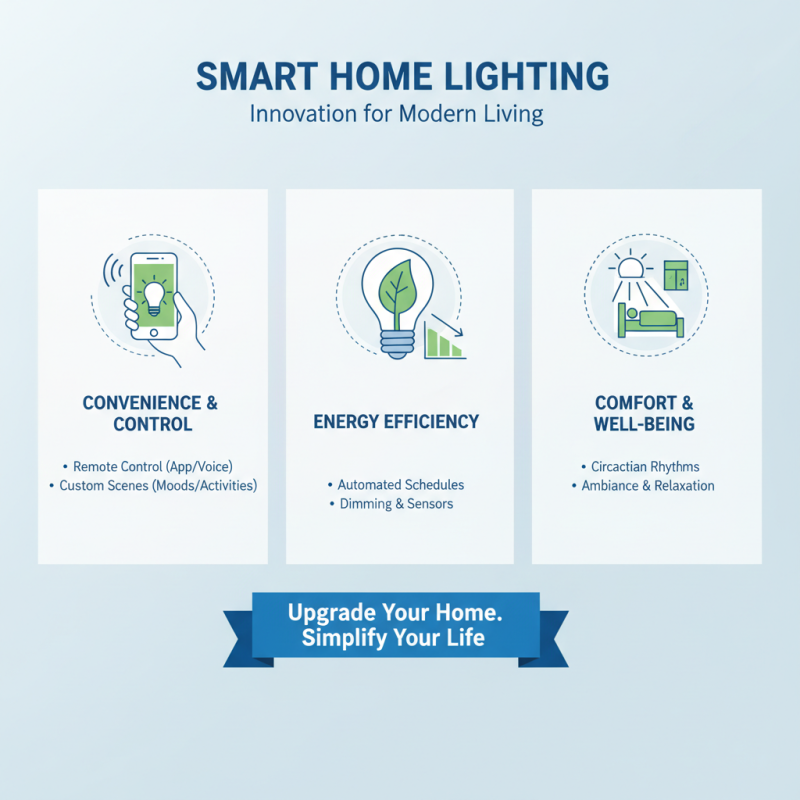
In today’s fast-paced world, integrating smart technologies into modern home lighting solutions is not just an innovation but a necessity. Smart lighting systems allow homeowners to control their lighting remotely, adjusting brightness levels and hues to suit their moods or activities. Imagine being able to dim the lights for a cozy movie night with just a tap on your smartphone, or having the lights gradually brighten in the morning to mimic a natural sunrise, enhancing your waking experience. Such features not only contribute to energy efficiency but also provide a heightened level of convenience and comfort.
Moreover, smart lighting enables homeowners to create personalized atmospheres that complement their interior design. Through the use of programmable settings and automated schedules, lights can transition seamlessly throughout the day, providing functionality that adapts to various lifestyles. Integration with other smart home devices amplifies this experience; for example, lights can be set to turn on automatically when the front door is opened, or adjust based on the time of day or occupancy. This level of interaction elevates the overall home environment, emphasizing not only the aesthetic appeal but also aligning with modern home design principles that prioritize sustainability and innovation.
Choosing the Right Lighting Fixtures for Different Spaces and Purposes
When selecting lighting fixtures for various areas of your home, it's essential to consider the purpose each space serves. In living rooms, for example, a mix of ambient and task lighting can create a warm and inviting atmosphere. Use soft, dimmable overhead lights combined with strategically placed lamps to provide brightness where needed, such as near reading nooks. Additionally, accent lighting highlights artwork or architectural features, enhancing the overall aesthetic of the room.
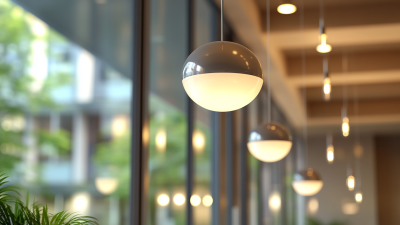
In kitchen and dining areas, the right lighting is crucial for both functionality and ambiance. Pendant lights above kitchen islands offer focused illumination perfect for cooking and food preparation. For dining spaces, a statement chandelier or a series of pendant lights can set the mood for gatherings. Consider using layered lighting, which includes under-cabinet lights for tasks and dimmable options to adjust the atmosphere as needed.
In bedrooms and bathrooms, the lighting should prioritize relaxation and practicality. Soft bedside lamps paired with ceiling fixtures create a soothing environment conducive to rest. In bathrooms, bright task lighting around mirrors is essential for grooming, while dimmable lights can transform the space into a spa-like retreat. By choosing the right fixtures for each room, you can enhance the functionality and aesthetic appeal of your home, ensuring that your lighting not only serves its purpose but also complements the overall design.
Sustainable Lighting Practices in Contemporary Home Design
Sustainable lighting practices have become crucial in contemporary home design, reflecting a growing awareness of environmental impact and energy efficiency. According to a report from the U.S. Department of Energy, lighting accounts for approximately 15% of a household's energy consumption. This statistic has prompted homeowners and designers alike to seek more efficient options that minimize energy use while maximizing aesthetic appeal.
One of the most effective sustainable lighting solutions is the transition to
LED technology. Light Emitting Diodes (LEDs) use at least
75% less energy and last
25 times longer than incandescent lighting, according to the same
U.S. Department of Energy report. This not only reduces electricity bills but also decreases the frequency of bulb replacements, leading to less waste.
Furthermore, innovative design approaches, such as incorporating natural light through strategically placed windows or skylights, not only enhance the ambiance of modern interiors but also further decrease reliance on artificial lighting sources. These sustainable practices are not just environmentally-friendly; they also align with the modern homeowner's desire for energy-efficient living spaces that offer both beauty and functionality.
In addition to energy savings, sustainable lighting design contributes to improved indoor air quality and wellness. According to a study published by the
American Society of Interior Designers, the right lighting can enhance mood and productivity while reducing eye strain. Incorporating controls such as dimmers and smart lighting solutions allows homeowners to adjust their energy usage based on real-time needs, promoting a healthier and more sustainable lifestyle in contemporary home design.