How to Choose the Right Electric Forklift Battery for Your Needs?
Choosing the right Electric Forklift Battery can be challenging. Various factors influence your decision. Understanding these factors is essential for optimal performance and cost-effectiveness.
Electric Forklift Batteries come in different types and sizes. Users must consider voltage, capacity, and maintenance needs. These elements greatly impact the lifespan and efficiency of the forklift. A well-chosen battery enhances productivity in warehouses and factories.
Some may overlook the importance of battery selection. This can lead to issues like shorter run times or increased replacement costs. Taking time to evaluate your specific needs can prevent such regrets. Reliable information and expert advice play a crucial role in making the right choice.
Understanding Different Types of Electric Forklift Batteries
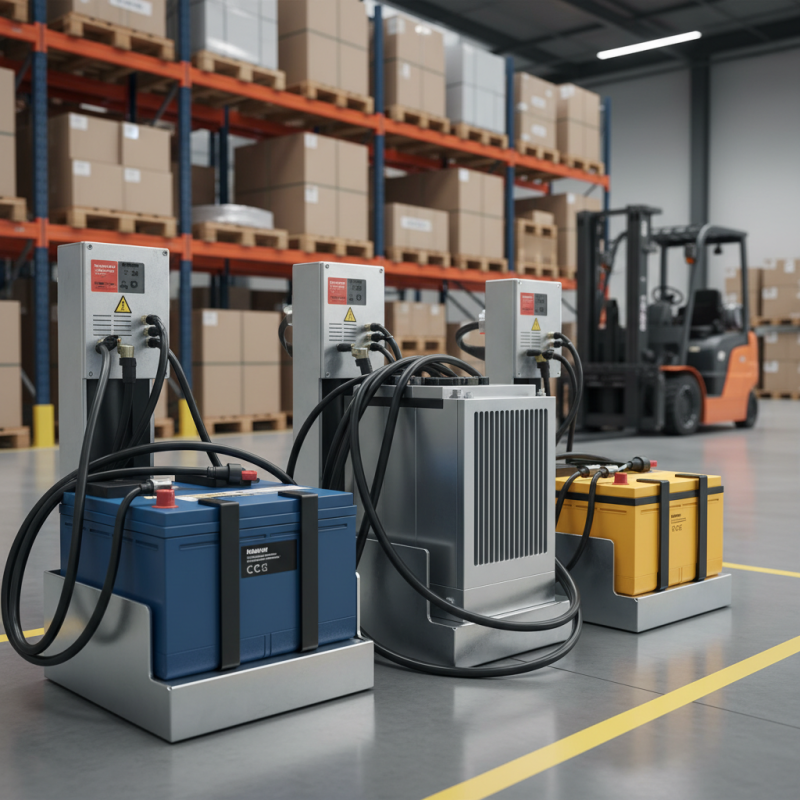
When selecting an electric forklift battery, understanding the different types available is crucial for making an informed choice. The two main categories are lead-acid batteries and lithium-ion batteries. Lead-acid batteries are cost-effective and widely used, but they can require more maintenance. They typically have a shorter lifespan and take longer to charge compared to lithium-ion options. On the other hand, lithium-ion batteries are more efficient and longer-lasting, but they come with a higher upfront cost.
Tips for selecting the right battery:
- Assess your forklift's usage. Heavy usage benefits from lithium-ion batteries.
- Consider charging times. Quick turnover needs faster-charging options.
- Think about maintenance. Lead-acid batteries require regular monitoring and topping off with water.
Battery weight is another important factor. A heavier battery may offer more power but can affect the forklift's maneuverability. It's essential to balance power with the operational environment. Reflect on the long-term costs versus initial investments. A cheaper battery may lead to higher expenses in maintenance or shorter life. Make an educated decision that fits your specific needs.
Battery technology continues to evolve, and staying informed is key. Analyze your operational needs and plan for future growth. The right battery choice enhances productivity and efficiency.
Assessing Your Forklift's Power Requirements
When assessing your forklift's power requirements, start by analyzing the expected workload. The type of tasks, frequency, and duration will significantly influence the necessary battery specifications. For instance, a warehouse handling heavy materials often requires a more robust power supply. According to a 2022 industry report, about 60% of businesses reported inefficient battery performance due to underestimating their energy needs.
Next, consider the voltage requirements of your electric forklift. Most models operate efficiently between 24V and 80V systems. Research indicates that mismatched voltage levels can lead to quicker battery degradation. This presents an essential point for reflection. Have you assessed your operational patterns to match your forklift’s voltage requirements accurately? Regularly monitoring your battery's performance can reveal patterns that highlight future needs.
Lastly, battery type also plays a crucial role. Lithium-ion batteries offer longer lifespans and quicker charging. Conversely, lead-acid batteries may seem cost-effective initially but often require more maintenance and replacement. As the material handling industry evolves, explore recent findings showing that 80% of facilities still underestimate the total cost of ownership. This could lead to operational inefficiencies that impact overall productivity. Understanding the correct specifications is more than a checklist; it requires a comprehensive understanding of your operational needs.
Choosing the Right Electric Forklift Battery: Power Requirements
This chart illustrates various battery voltage options for electric forklifts and their corresponding power capacities in kilowatt-hours (kWh). Selecting the right battery voltage based on power requirements is essential for optimal forklift performance.
Evaluating Battery Lifespan and Maintenance Needs
When evaluating battery lifespan for electric forklifts, it's crucial to consider usage patterns. Forklifts operating continuously will demand a different battery capacity than those used sporadically. Understanding your operational needs can significantly extend battery life. Regular monitoring of battery performance allows for early detection of issues, which can prevent expensive downtime.
Maintenance is another cornerstone for ensuring longevity. Each battery type has unique maintenance requirements. Routine checks on electrolyte levels and terminal connections can help avoid common pitfalls. Neglecting these tasks may lead to reduced efficiency. Keeping a maintenance log can help track changes over time. This reflection can lead to better battery management practices.
Can the battery handle extreme temperatures? This is vital for performance. Using the wrong battery in harsh conditions can cause premature failure. Always assess environmental factors before making a choice. A well-informed decision can save time and costs in the long run.
Comparing Charging Options and Efficiency
When selecting the right electric forklift battery, charging options and efficiency play a crucial role. Understanding the differences between various charging methods can greatly impact your operations. For instance, conventional lead-acid batteries require longer charging times, which can lead to downtime. However, lithium-ion batteries offer faster charging and longer life, increasing productivity.
Tips: Always consider the typical usage of your forklift. If your operations demand frequent recharging, look for fast-charging options. Evaluate how long your forklifts are in service each day. This will help you decide between standard and rapid charge systems. Some facilities might benefit from opportunity charging, allowing for quick top-ups during breaks.
Charging efficiency can vary significantly. Some batteries may lose energy in the charging process, resulting in lower overall efficiency. This inefficiency can lead to increased operational costs. Always check the energy recovery rates of your batteries. Conducting a cost-benefit analysis can provide insights into the best option for your needs. Experimenting with different setups is often necessary. Engage with your team to gather feedback on performance and areas for improvement.
Considering Budget and Cost-Effectiveness for Battery Purchase
When selecting an electric forklift battery, budget and cost-effectiveness are crucial factors. According to industry reports, nearly 70% of companies prioritize overall lifecycle costs when making battery purchasing decisions. This includes initial costs, maintenance expenses, and energy consumption.
A well-chosen battery can significantly reduce operational costs. The average electric forklift battery lasts between 5 to 7 years, depending on usage patterns. Companies should consider the expected battery life when calculating return on investment (ROI). Inaccurate estimations may lead to unexpected expenses down the line. For example, poor charging practices often lead to 20% faster degradation of the battery.
Additionally, analyzing energy efficiency can help during selection. Batteries with higher performance can improve productivity. A study indicated that switching to a high-efficiency battery could save companies approximately 15% on energy costs annually. Investing in a quality battery may seem higher upfront, but the long-term savings often justify the expense. Assessing these elements ensures businesses make informed decisions aligning with their budget constraints and operational needs.
How to Choose the Right Electric Forklift Battery for Your Needs? - Considering Budget and Cost-Effectiveness for Battery Purchase
| Battery Type | Capacity (Ah) | Voltage (V) | Estimated Cost ($) | Maintenance Level | Cycle Life (Cycles) |
| Lead Acid | 500 | 48 | 1,200 | High | 1,500 |
| Lithium-ion | 600 | 48 | 3,000 | Low | 2,000 |
| Gel Battery | 520 | 48 | 1,800 | Medium | 1,200 |
| AGM Battery | 500 | 48 | 1,500 | Medium | 1,000 |