shining bright

a British lighting manufacturer with a difference

Obsessed with solving problems, not just selling 'stuff': we were born from a belief that the lighting industry deserved better.

Why Choose a Processing Heater for Industrial Applications?

Industrial plants depend on heat for drying, reaction, distillation, curing, and temperature control. A Processing Heater can supply that heat steadily, but the right design depends on the process, not just the required temperature. The International Energy Agency’s Energy Efficiency 2023 report estimates that industry accounted for 37% of global final energy consumption in 2022. In the United States, Department of Energy process-heating guidance estimates that process heating uses about 17% of industrial energy. These figures show why heater selection affects both operating costs and energy performance. This is not a minor detail.

A suitable Processing Heater can help maintain product quality, reduce avoidable heat loss, and support reliable production. Engineers typically compare thermal duty, operating temperature, heat-transfer method, fuel or power supply, control accuracy, and maintenance access. A hot-oil system, for example, may suit indirect heating, while direct-fired equipment may fit another duty. The process decides. Published efficiency figures can guide an initial comparison, but they do not guarantee savings at a specific plant. Actual results depend on insulation, operating schedules, load changes, and maintenance. A poorly matched heater may cycle often or deliver uneven heat. Even a small temperature variation can matter. Careful assessment of real operating data, product requirements, and site constraints helps teams choose equipment that performs reliably—not merely well on paper.
Why Choose a Processing Heater for Industrial Applications?

What Is an Industrial Processing Heater?

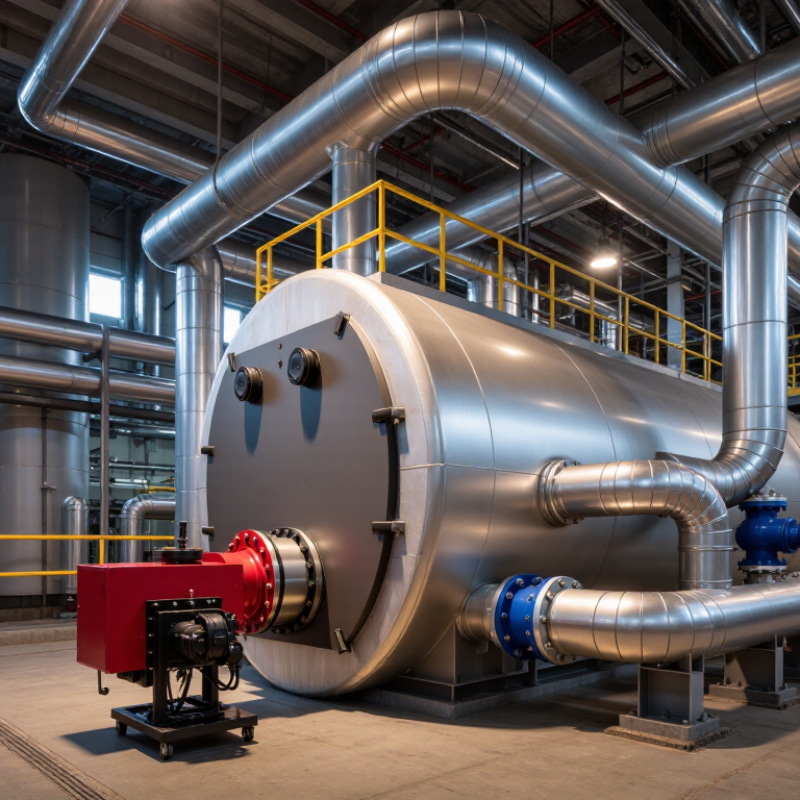
An industrial processing heater is equipment that adds controlled heat to materials used in manufacturing. It may warm liquids, gases, air, or solid products as they move through a process. Unlike a space heater, it is selected for a production task, not for making a room comfortable. Heat can be supplied directly or transferred through a surface, depending on the material and process. A unit might keep a tank of wash fluid at a steady temperature or heat air flowing through a drying line. The details matter.

For industrial applications, the right heater can help maintain consistent product conditions and reduce avoidable temperature swings. Selection usually depends on the material, required temperature, heating rate, available energy, and operating environment. Controls and sensors also matter. A heater that is too powerful may overshoot the set point; one that is undersized may struggle during peak demand. Still, calculations do not capture every operating quirk. Real production lines can surprise you.

Tips: Record inlet and outlet temperatures during normal operation. Check insulation and sensor placement before increasing heater output. Keep the material’s temperature limits in view. Small checks help. A brief operating log can reveal patterns that are easy to miss during a busy shift.
Why Choose a Processing Heater for Industrial Applications?

Typical Operating Temperature Ranges by Heating Method

Processing heaters deliver controlled heat for industrial tasks such as fluid heating, drying, and chemical processing. The ranges shown are indicative; actual operating temperatures depend on equipment design, pressure, materials, and the specific application.

How Does an Industrial Processing Heater Work?

How Does an Industrial Processing Heater Work?

An industrial processing heater transfers controlled heat to a material moving through a production line. In a fired system, a burner heats tubes or a chamber; the process fluid flows through the tubes without mixing with combustion gases. Electric heaters use resistance elements to generate heat, while thermal oil, water, or air can carry it to the process. Sensors monitor temperatures, and controls adjust fuel or electrical input to keep conditions near the target.

Not magic. Just controlled energy transfer.

The U.S. Department of Energy’s 2022 Industrial Decarbonization Roadmap reports that process heating uses about 51% of energy in U.S. manufacturing.

That scale makes heater design more than a temperature question. Engineers consider flow rate, material properties, pressure, and the temperature difference between the heating surface and the product. A narrow pipe can heat quickly but create uneven temperatures if flow is poor.

That distinction matters. A setpoint may look precise while the product remains unevenly heated, so measurements at multiple points can reveal what one sensor misses.

The International Energy Agency’s 2023 Tracking Industry report estimates that industry accounts for about 37% of global energy use.

Insulation, maintenance, and properly tuned controls can reduce avoidable heat loss, but results depend on the process. Fouling on a heat-transfer surface, for example, can slow heating and raise energy demand.

Small details matter. Operators should compare actual inlet and outlet temperatures with the process specification, not rely on the display alone.

Which Industrial Processes Use Processing Heaters?

Why Choose a Processing Heater for Industrial Applications?

Which Industrial Processes Use Processing Heaters?

Processing heaters support many operations that need steady, controlled heat. In food plants, they warm water, oils, and product streams during mixing or cleaning. In chemical production, they heat liquids in tanks and pipelines before blending or reaction. Drying systems also use heated air to remove moisture from materials. Small temperature shifts can affect product consistency, so operators often monitor inlet and outlet readings.

Refineries and manufacturing facilities use heaters to preheat process fluids, maintain viscosity, or keep materials moving through pipes. Some systems heat thermal oil, which then transfers energy to several production units. Others heat air or gas directly. The right choice depends on flow rate, operating temperature, fluid properties, and available space. A unit may look adequate on paper, yet perform poorly when the real load changes during a shift. That detail is easy to miss.

What Advantages Do Processing Heaters Offer?

Processing heaters deliver controlled heat directly to fluids, gases, or materials, supporting tasks such as drying, curing, and temperature maintenance. Their advantages depend on matching heater design to the process, not simply choosing a higher-capacity unit. The U.S. Department of Energy’s 2015 Quadrennial Technology Review estimates that process heating accounts for about 51% of manufacturing energy use. That is a significant share. Even small improvements in temperature control or insulation can matter across long operating hours. A well-sized heater can reduce overshoot, stabilize product temperature, and help limit wasted heat. In practice, however, sensor placement and regular calibration can be just as important as the heater itself.

Some systems also respond quickly to changing production demands, helping operators avoid prolonged warm-up periods. Electric process heaters can eliminate combustion at the point of use, though total emissions still depend on how the electricity is generated. The DOE’s 2022 Industrial Decarbonization Roadmap reports that industry produces about 30% of U.S. energy-related carbon emissions, making heat-system choices relevant to broader efficiency efforts. But a heater alone is not a decarbonization plan. Engineers should compare operating temperatures, duty cycles, maintenance needs, and energy supply before selecting equipment. One detail is easy to overlook: a poorly insulated pipe can quietly erase part of the expected gain.

Why Choose a Processing Heater for Industrial Applications? - What Advantages Do Processing Heaters Offer?
Advantage How It Works Potential Industrial Benefit Key Design Consideration
Controlled heat input Heating elements and controls can be selected to provide a specified heat output and temperature range. Supports repeatable heating in processes such as fluid circulation, tank heating, and air heating. Control performance depends on sensor placement, heater sizing, flow conditions, and the control system.
Direct, application-specific heating Immersion heaters transfer heat to a liquid from elements in contact with the process fluid; circulation heaters heat fluid as it flows through a vessel. Can heat process media without requiring a separate heat-transfer loop in suitable installations. Wetted materials, fluid compatibility, flow rate, and allowable element surface temperature must be evaluated.
Options for different process media Heater configurations are available for liquids, gases, and air, with construction selected for the application. Allows heating equipment to be matched to processes such as drying, ventilation, fluid conditioning, and process-gas heating. Media properties, operating pressure, temperature, and contamination potential affect heater selection.
Compact installation options Inline and vessel-mounted designs can be integrated into piping or process equipment. May fit sites where floor space is limited or where heating needs to be located near the process. Allow space for electrical connections, maintenance access, insulation, and safe operation.
No on-site combustion for electric models Electric processing heaters convert electrical input into heat at the point of use without burning fuel in the heater. Avoids on-site combustion exhaust from the heater and can simplify integration where electrical power is available. Overall energy use and emissions depend on the electricity supply, operating conditions, and system design.
Potentially reduced heat loss Heaters installed close to the process can reduce the distance heat must travel compared with some centralized arrangements. Can help limit distribution losses when the equipment, piping, and insulation are properly designed. Actual performance depends on insulation quality, ambient conditions, duty cycle, and heat-transfer requirements.
Integration with process controls Temperature sensors, control panels, and safety devices can be incorporated into a heater system. Supports monitoring and coordination with plant operating procedures and automated processes. Control and protection requirements should reflect the process hazards, electrical supply, and applicable codes.

How Should an Industrial Processing Heater Be Selected and Operated?

Why Choose a Processing Heater for Industrial Applications?

How Should an Industrial Processing Heater Be Selected and Operated?

Selecting a processing heater starts with the material, not the catalogue. Define the required temperature, heating rate, throughput, and allowable temperature variation. A viscous liquid in a jacketed vessel needs a different heat profile from a moving metal strip. Small details matter.

The U.S. Department of Energy’s 2016 Improving Process Heating System Performance sourcebook estimates that process heating uses about two-thirds of manufacturing energy. That makes efficiency worth measuring, not guessing. Compare fuel or electricity use per unit of product, and include heat losses during startup and standby. The International Energy Agency’s 2023 industry tracking report also places industry at roughly 37% of global energy use, underlining the value of sound heat-system design.

Check the heater’s operating range, control accuracy, and compatibility with the process environment. Confirm that sensors sit where they reflect the product temperature, not just the hot surface. Insulation, airflow, and maintenance access can change real-world performance. Then commission the system under typical production conditions and record temperatures, cycle times, and energy use. A calculated setpoint may look right on paper. It may not match a cold morning start or a partially loaded line. Review those results and adjust carefully.

Our story

When The Light Went On

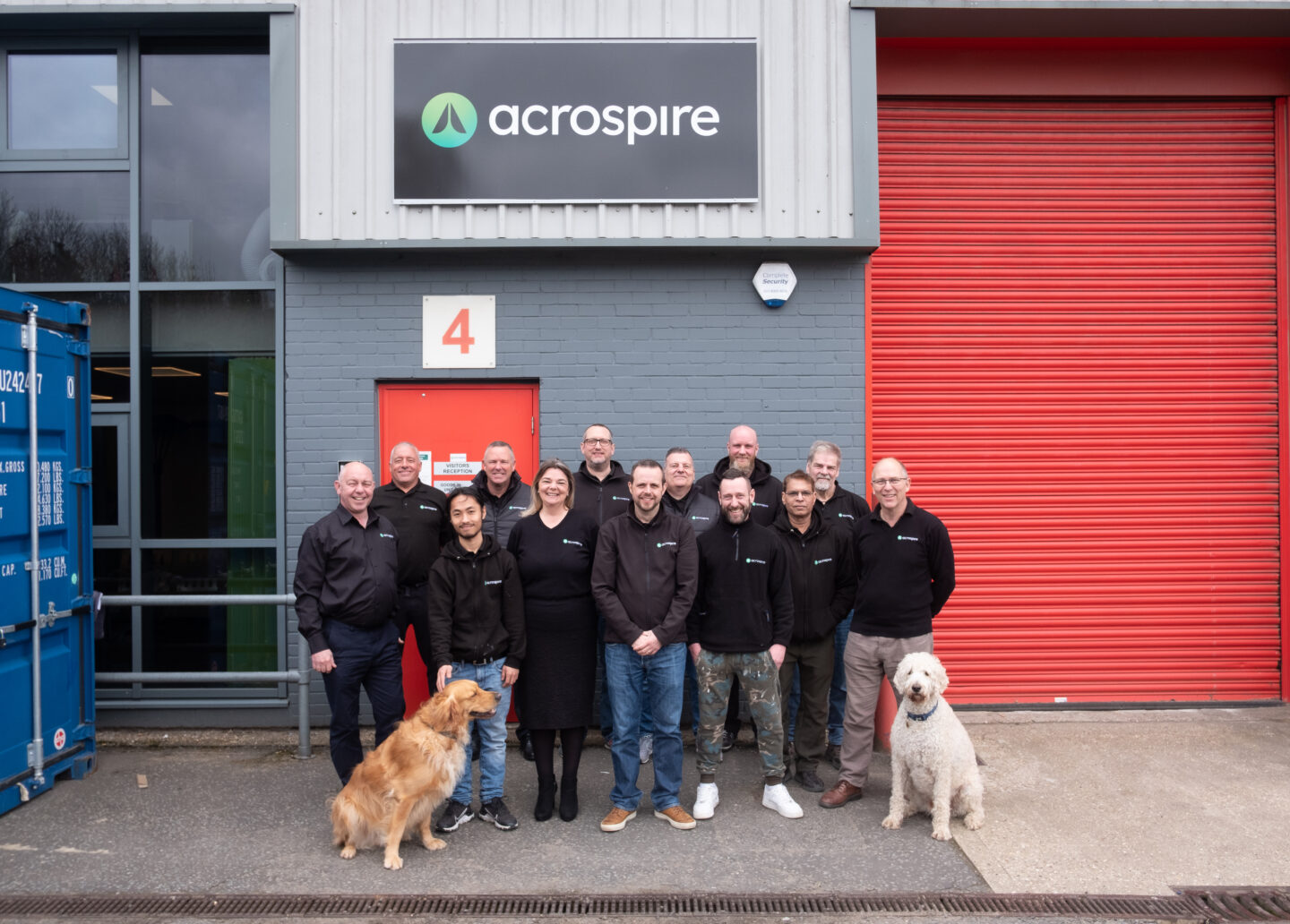
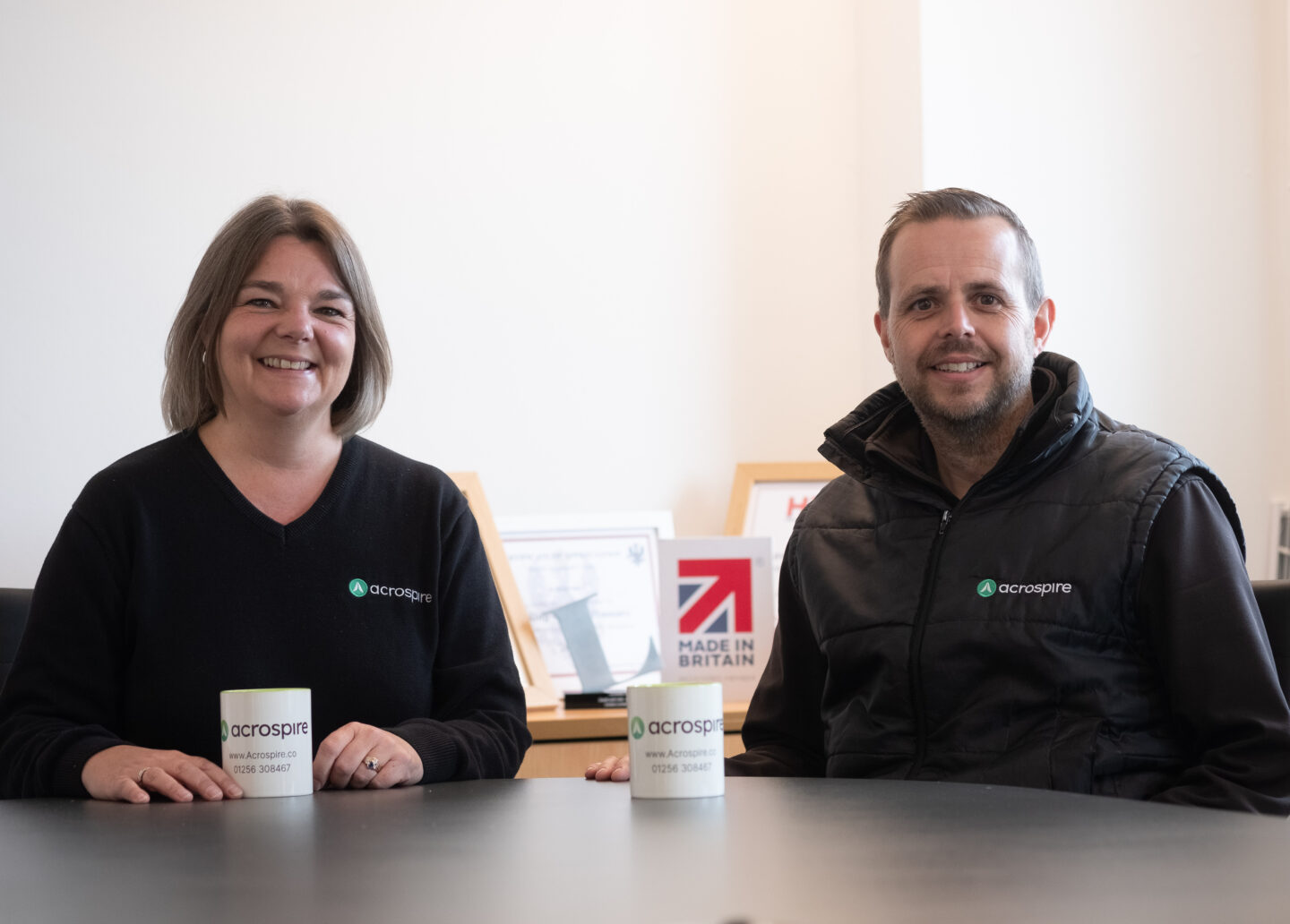
The idea for Acrospire was formed in 2012 when founder Tim envisioned a different kind of lighting manufacturer: one that would not only deliver outstanding customer experiences but also prioritise fair treatment for its employees.

We’ve come a long way

Working from any nook and cranny we could find

Motivated by the belief the industry wanted and needed better, Tim shared his plan to establish his own venture with Hatty, who simply couldn't let him do it alone.

The rest, as they say, is history.

Protecting local jobs and ensuring the best quality possible.

The products sold should, where possible be manufactured here in the UK

Working from a rented office by day and assembling lanterns in a garage at night, Tim and Hatty set to work.

11 Years later

and a lot has changed

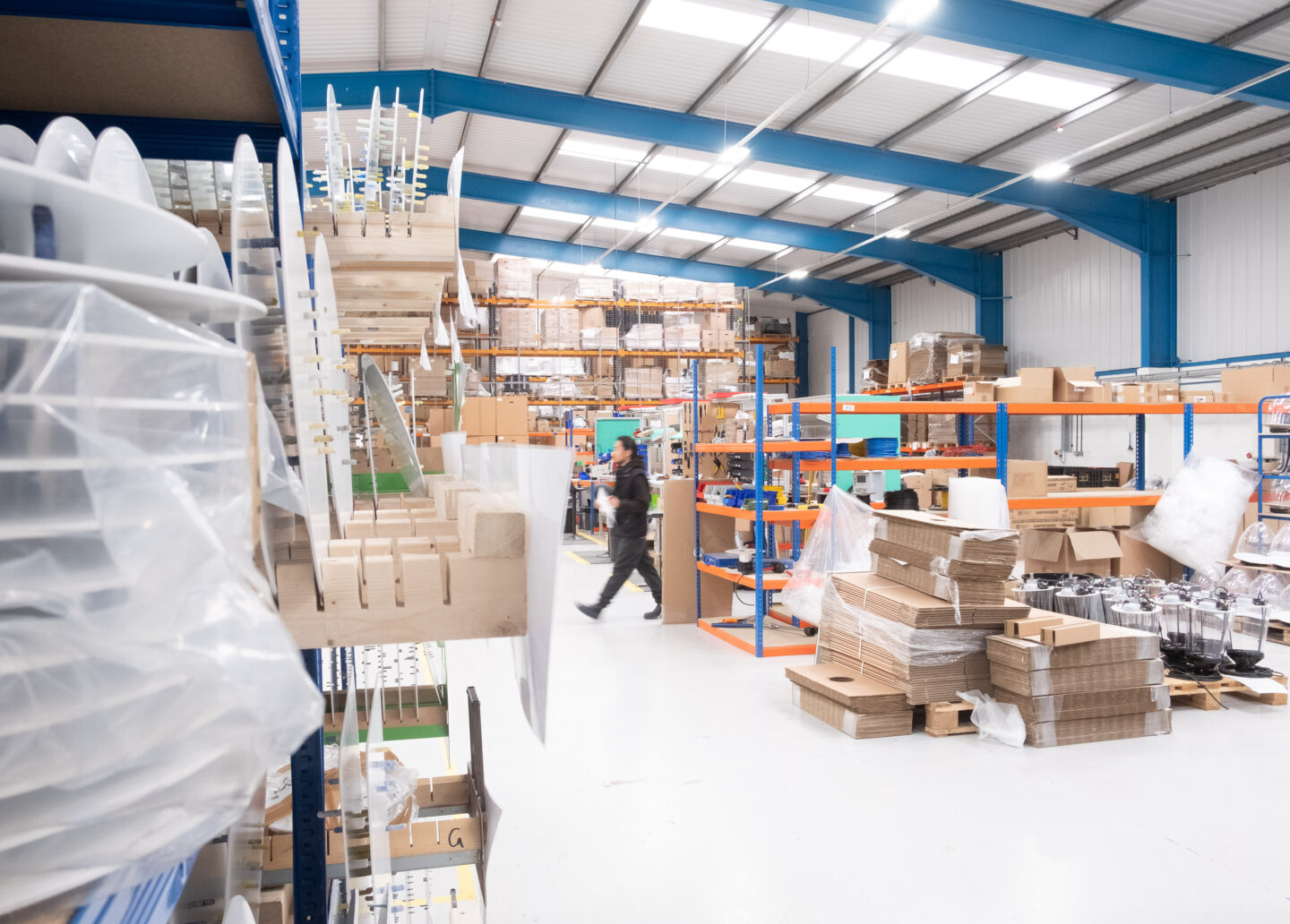
Acrospire now inhabits a 14000² ft manufacturing facility in Basingstoke, Hampshire. We’re a proud partner of the Made in Britain scheme, ISO9001 certified and a member of all relevant lighting industry trade bodies.

We've built a reputation to be proud of

Along with great relationships with our customers and a great team! We've attracted some of the most experienced members of the lighting industry, all by following one golden rule.

A simple ethos

Creating work to be proud of

That runs through all that we do. Customers who have made the switch to Acrospire have found working with us to be a breath of fresh air.

Market leading warranty

If you’re a professional in the lighting industry, you’re probably familiar with warranties that range from 3 to 10 years, with extensions available on special request or at additional cost. At Acrospire, where we’re proud to be different, we offer a market-leading simple 12-year warranty, as standard.

Tight Control on Quality

We focus on our customers not our competition. We manufacture our products in the UK: with the exception of our solar products, our supply chain is within a 60-mile radius of our factory in Basingstoke: to maintain greater control over quality. We al

Speed is key

Speed of response is crucial when it comes to resolving warranty issues. If we’ve made a mistake, we own it, get to the root cause, and fix it as quickly as possible. We believe in timely communication with our customers and making the resolution pro

Test and Test Again

We believe in independent testing and certification. Our new product development is in line with ISO 9001. Many of our products hold ENEC Certification. To meet the requirements of ENEC we also send random product samples for third party safety testi

Quality by design

Our product design is another key factor in our ability to offer a 12-year warranty. We value engineer rather than cost cut, never compromising on quality. We stick to our processes and engage with our supply chain to ensure that every product meets