How to Choose Pkcell 18650 Battery for Your Devices?
When selecting a battery for your devices, understanding your options is crucial. The Pkcell 18650 Battery stands out as a popular choice due to its performance and reliability. This rechargeable lithium-ion battery is designed to power various electronics, from flashlights to laptops. It offers high energy density and long cycles, making it suitable for frequent use.
However, not all Pkcell 18650 Batteries are created equal. Factors like capacity, discharge rate, and safety features can vary. Some users may overlook these details, leading to unsatisfactory performance. For example, a battery with a low discharge rate might not support high-drain devices well. Checking specifications is vital.
Choosing the right Pkcell 18650 Battery requires careful consideration. Assess your device's requirements and evaluate the battery's features accordingly. Make informed decisions to enhance functionality and lifespan without compromising safety.
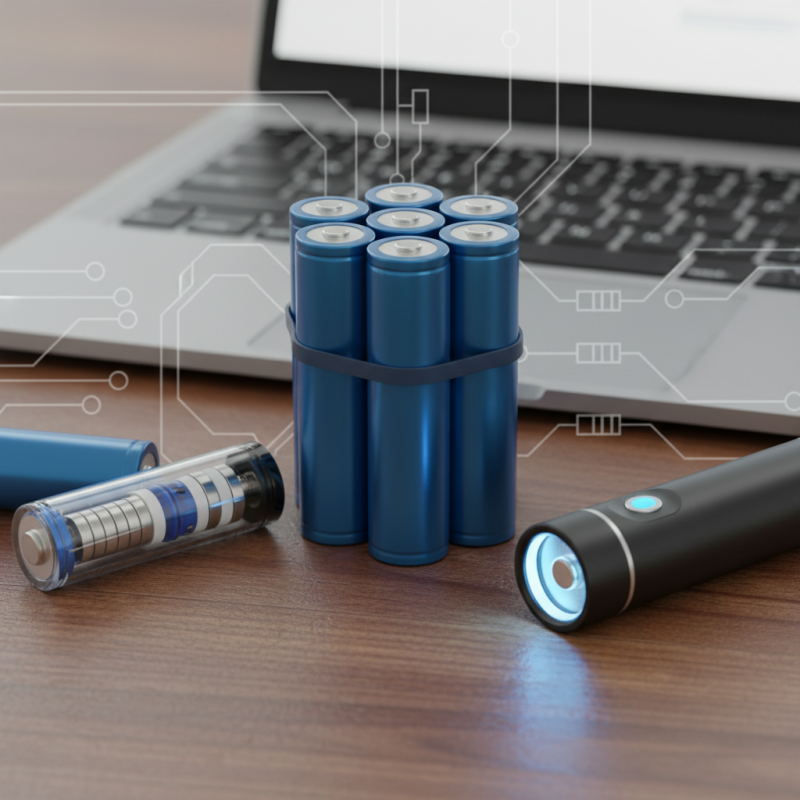
Understanding the Specifications of Pkcell 18650 Batteries
When selecting a 18650 battery, it’s essential to understand its specifications. Capacity is measured in milliampere-hours (mAh). Higher mAh means longer usage time. Typical capacities range from 1500 to 3500 mAh. Choosing the right capacity is critical for devices needing longer battery life.
Voltage is another key specification. Most 18650 batteries have a nominal voltage of 3.7 volts. Some higher-performance models can reach 4.2 volts. It’s crucial to match the voltage with your device's requirements. Using a battery that is too high can damage the device.
Lastly, consider the discharge rate. It indicates how much current the battery can deliver. This is often measured in amperes (A). If you use a device requiring high power, like a vape or flashlight, ensure the battery supports it. Always check specifications to avoid compatibility issues. Not understanding these details can lead to bad choices.
Determining Capacity Needs: mAh Ratings for Devices
When selecting a battery for your device, understanding mAh ratings is crucial. mAh, or milliampere-hour, indicates how much charge a battery can hold. A higher mAh rating means longer usage time for your devices. For example, a battery with 3000 mAh can last significantly longer than one rated at 1500 mAh.
Tips: Always check the device's specifications. Some devices have minimum mAh requirements. If you choose a battery with too low of a rating, it may not work effectively. Additionally, consider your usage patterns. If you use the device frequently, opt for batteries with higher mAh ratings. This offers better performance and longer intervals between charges.
In some cases, users may overestimate their needs. It's easy to think higher mAh equals better performance. However, match the battery to your actual usage. For intermittent use, a lower rating might suffice. Batteries can be wasted if they are over-spec’d for occasional tasks.
Tips: Look for user reviews on battery life. Genuine experiences can help gauge what mAh you actually need. Balancing cost and performance is key. Don’t solely focus on the highest mAh; sometimes, less is more for practical use.
How to Choose Pkcell 18650 Battery for Your Devices? - Determining Capacity Needs: mAh Ratings for Devices
| Device Type | Recommended mAh Rating | Typical Usage | Voltage | Approximate Run Time |
| Flashlight | 2000 - 3000 mAh | Outdoor and Emergency Lighting | 3.7V | 4-15 hours |
| Laptop | 2500 - 5000 mAh | Portable Computing | 7.4V | 3-10 hours |
| Electric Toothbrush | 1000 - 1500 mAh | Personal Care | 3.7V | 1-3 weeks (on a single charge) |
| Vape Device | 1500 - 3000 mAh | Recreational Use | 3.7V | 1-2 days |
| Power Bank | 2000 - 30000 mAh | Charging Devices on the Go | 3.7V | Varies based on connected device |
Assessing Discharge Rates: C-Ratings and Performance
When choosing a battery, understanding discharge rates is crucial. Discharge rates are measured using C-ratings. This value indicates how quickly a battery can be drained safely. For example, a battery rated at 10C can deliver ten times its capacity in amps. That’s powerful and useful for high-energy devices.
However, not all devices need extreme C-ratings. Some electronics operate efficiently with lower rates. Think about your device’s requirements. High-drain devices, like powerful flashlights, require batteries capable of fast discharge. Lower-drain devices, such as remotes, do not. Misjudging these needs can lead to underperformance.
Balancing performance with longevity is a challenge. A battery with a high discharge rate might drain quickly in low-demand devices. It may also lead to reduced lifespan. Consider the trade-offs. Reflect on your usage habits. Assess if your devices truly require high-performance batteries. This will ensure you get the best value and usability.
Evaluating Battery Size and Compatibility with Devices
When choosing a 18650 battery, size and compatibility are crucial. These batteries are common in various devices. Ensure the dimensions match your device’s requirements. A slight mismatch can lead to operational failures.
When assessing compatibility, check voltage ratings. Many devices require a specific voltage range. Using an incompatible battery can shorten the lifespan of your device. Always refer to the device manual for specifications.
**Tips:** Look for airflow in the battery compartment. Proper airflow is essential for cooling. Also, consider using a multimeter to verify voltage output. This can prevent potential issues. If you’re unsure, consult with experts or community forums. Seeking advice can lead to better choices.
Battery Capacity Comparison for Devices
Analyzing Safety Features: Protection Circuits and Ratings
When choosing a battery, safety features are crucial. Protection circuits play a key role in preventing accidents. These circuits can stop overcharging and avoid overheating. Many batteries come with features like short-circuit protection. This is essential for devices that draw high currents. A reliable protection circuit enhances user confidence.
Ratings also matter. Look for batteries with proper certifications. These can signal better safety practices. Not all batteries meet rigorous safety standards. Many claim to be safe, but may lack genuine testing. It's vital to do your research. Mistakes can lead to device failure or worse.
Keep in mind the importance of choosing wisely. Not every battery is suitable for every device. Some might work well, yet fail in critical situations. Prioritize your safety and the longevity of your devices. Analyze user reviews and specifications before making a decision.