
How to Choose the Best Showcase Lighting Driver for Your Needs?
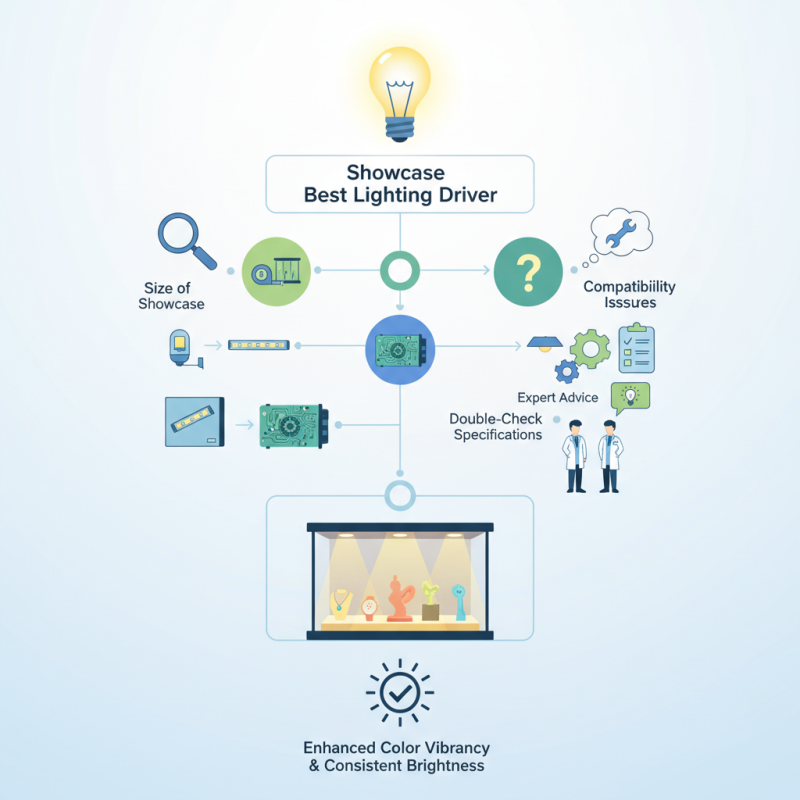
Choosing the right Showcase Lighting Driver can be daunting. This crucial component influences how well your displays stand out. The right driver enhances color vibrancy and provides consistent brightness.
Consider the size of your showcase. Different drivers support various lamp sizes and types. Not every driver fits every need. If you're unsure, seeking expert advice can help you make a better choice. Choosing incorrectly can lead to unsatisfactory results.
Potential challenges arise when matching drivers with existing fixtures. You might face compatibility issues that require adjustments. Always double-check specifications before making a purchase. Investing time in this can save you from future headaches. The right Showcase Lighting Driver can make all the difference in showcasing your valuable items effectively.
Understanding the Importance of Lighting Drivers in Showcase Design
Effective lighting is crucial in showcase design. The right lighting can enhance the visual appeal of products, making them more attractive to potential buyers. A well-designed lighting system emphasizes key features and creates an inviting atmosphere. According to industry reports, nearly 70% of consumers are influenced by visual presentation. This statistic highlights the need for optimal showcase lighting solutions.
Lighting drivers play a pivotal role in achieving these desired effects. They control the power and functionality of the lights. Without proper drivers, even the best lights can underperform. Choosing the right driver ensures energy efficiency and enhances longevity. Research suggests that a quality lighting driver can increase the lifespan of LED fixtures by up to 50%. This means fewer replacements and maintenance costs.
An often-overlooked factor is heat management. Poor driver quality can lead to overheating, reducing the effectiveness of the lights. This can impact the overall display, causing frustration for retailers. Investing in quality drivers may initially seem costly. However, the long-term benefits often outweigh these concerns. A well-illuminated showcase can ultimately lead to increased sales and customer satisfaction.

Lighting Driver Power Consumption Comparison
Evaluating Lighting Driver Types: Constant Voltage vs. Constant Current
When choosing a lighting driver for your showcase, understanding constant voltage and constant current drivers is crucial. Constant voltage drivers, typically at 12V or 24V, offer more flexibility. They are suitable for LED strips and fixtures that require a stable voltage supply. According to industry statistics, up to 70% of LED installations use constant voltage drivers, making them widely adopted.
Constant current drivers, on the other hand, maintain a constant current level. They are ideal for applications where precise brightness control is essential, such as in retail displays. Industry reports indicate that constant current drivers can improve efficiency by up to 30% in specific settings. However, they can be less versatile than voltage drivers, limiting their use with various LED types.
When selecting a driver, consider the lighting application. Evaluate how intensity affects product visibility and customer engagement. The right choice can enhance the showcase’s aesthetics but may also necessitate a deeper understanding of electrical specifications. Don't overlook the importance of compatibility with dimming systems, which can impact overall performance. Balancing these factors requires careful thought to ensure optimal lighting solutions.
Key Specifications to Consider: Wattage, Efficiency, and Dimming Capabilities
When selecting showcase lighting drivers, several key specifications deserve your attention. Wattage is crucial; it directly impacts how much energy the driver consumes. A higher wattage can mean brighter lights, but it also leads to increased electricity costs. Think about the size of your display and the required brightness levels. Ensure the wattage fits these needs without excessive overloading.
Efficiency is another vital factor. An efficient lighting driver not only reduces energy costs but also prolongs the lifespan of your lights. Some drivers offer energy-saving features that help lower consumption without sacrificing performance. Examine the driver's energy rating thoroughly to ensure it aligns with your sustainability goals.
Dimming capabilities are important for creating the right atmosphere. Being able to adjust brightness enhances the presentation of your items. However, not all dimming features are the same. Some drivers might flicker or buzz at lower settings. Testing these features before making a final decision can save you frustration later. Choosing the right drivers requires careful consideration of these specifications—getting them wrong can lead to unsatisfactory results and wasted resources.
Assessing Compatibility with LED Systems and Other Lighting Techniques
When selecting a showcase lighting driver, compatibility with LED systems is crucial. The lighting industry reports that about 70% of contemporary fixtures utilize LED technology. This trend emphasizes the need for drivers that efficiently match the voltage and current requirements of LEDs. An incompatible driver can lead to flickering, reduced lifespan, and even complete failure of the lighting system. Evaluating specifications such as power output and dimming capabilities is essential for optimal performance.
Additionally, consider how the lighting driver interacts with other techniques, like RGB or tunable white lighting systems. A study by the Lighting Research Center shows that using the right driver can enhance energy efficiency by up to 30%. If a driver lacks the appropriate features, the potential benefits of these advanced systems may be wasted. This highlights the importance of thorough research and adaptation of lighting drivers to meet specific needs.
Choosing a lighting driver isn’t straightforward. Issues such as electromagnetic interference or non-compliance with standards can complicate the decision. It's essential to consult technical datasheets and peer-reviewed studies to gain insights into best practices. Relying on anecdotal evidence can lead to misinformed choices. As technology evolves, staying informed remains a challenge, yet it is necessary for maximizing the effectiveness of your lighting solutions.
Exploring Industry Trends: Innovations in Showcase Lighting Drivers
The showcase lighting industry is undergoing rapid transformation, driven by technological innovations and evolving consumer demands. Recent studies indicate that the global LED driver market is expected to grow by over 20% from 2023 to 2028. This growth is largely attributed to the integration of smart technologies in lighting solutions. Many new drivers now offer features like dimming capabilities and wireless control, providing users with enhanced flexibility.
Energy efficiency remains a top priority for consumers. According to the International Energy Agency, LED drivers can reduce energy consumption by up to 75% compared to traditional lighting systems. This significant reduction appeals to businesses aiming to lower operational costs. However, as energy demands shift, finding the right balance between cost and performance has become a challenge. Many lighting professionals are still navigating this complexity when selecting drivers for specific applications.
Despite remarkable advancements, there is still room for improvement. Some drivers on the market can generate unwanted flickering, affecting the overall lighting quality. Additionally, compatibility issues with existing fixtures persist, leading to frustration for installers. These concerns highlight the importance of thorough product assessments and ongoing evaluations of performance standards. Industry professionals must remain vigilant, adapting to trends while addressing practical challenges as they arise.