How to Choose the Best Eave Lighting for Your Home?
When it comes to home aesthetics, Eave Lighting plays a crucial role. As Mike Thompson, a renowned expert in architectural lighting, states, "Eave lighting can transform a home’s exterior into a nighttime masterpiece." Choosing the right eave lighting isn’t just about brightness; it’s also about creating mood and enhancing architectural features.
Selecting suitable fixtures can be overwhelming. Consider factors such as style, wattage, and placement. Some may find it challenging to balance functionality with design. For example, soft ambient lighting can accentuate eaves but may not provide enough visibility. It’s essential to visualize how different lights will interact with your home’s facade. Would a harsh light work better than a warm glow? Many homeowners overlook this aspect.
Additionally, weather resistance is crucial for eave lighting. Not all fixtures hold up against rain and snow. It’s easy to forget that the beauty you seek must also endure the elements. Take time to research durable materials to ensure longevity. Your eave lighting should not only illuminate but also stand as a testament to good design choices.
Understanding Eave Lighting: Key Concepts and Benefits
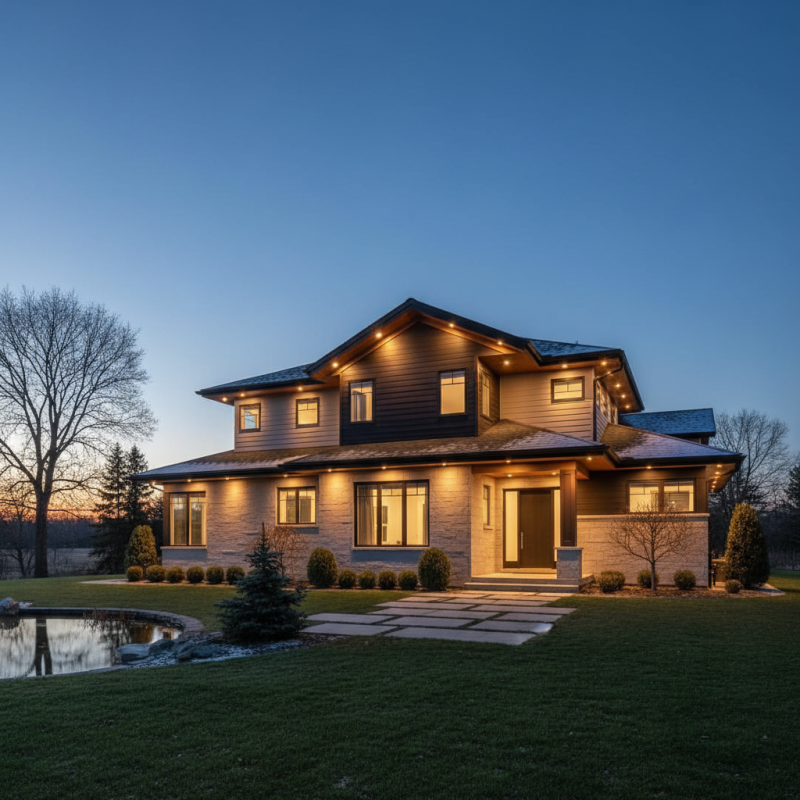
Eave lighting is more than just an aesthetic choice. It enhances safety and adds character to your home. According to a report by the National Association of Home Builders, proper outdoor lighting can reduce accidents by up to 70%. Effective illumination around eaves creates visibility, deterring potential intruders. It transforms dark areas into safe zones for family and guests.
Choosing the right eave lighting involves understanding several key factors. For instance, brightness and warmth play crucial roles in mood setting. A study from the American Lighting Association highlights that well-placed lighting can enhance curb appeal by 40%. Homeowners often overlook the importance of energy efficiency as well. LED fixtures offer durability and savings, using 75% less energy than traditional bulbs.
Many homeowners struggle with improper placement or inadequate brightness, leading to shadows. It’s essential to assess your eave layout and consider the distance between fixtures. Aim for even illumination to avoid dark spots. While it may seem simple, achieving the right balance can be a challenge. Investing time in planning your eave lighting means creating a welcoming and secure home environment.
Understanding Eave Lighting: Key Concepts and Benefits
Factors to Consider When Choosing Eave Lighting Fixtures
Choosing the right eave lighting fixtures can be challenging. Several factors play a role in your decision-making process. First, consider the purpose of the lighting. Do you want to enhance security, or are you aiming for aesthetic appeal? Different fixtures serve different functions. Some will illuminate the entire area, while others create subtle ambience.
Next, think about the style of your home. Your eave lights should complement existing architecture and design. A modern home may benefit from sleek, minimalist fixtures. On the other hand, traditional homes might look better with vintage-inspired designs. It's essential to visualize how different styles will blend with your space.
Another factor is the placement of the lights. Positioning can affect the overall effect. If lights are too high or too low, they might not serve their purpose effectively. Testing for the ideal height is crucial. Don't overlook the bulb type as well. LED bulbs save energy and last longer, but the color temperature can affect the mood. Warmer tones often feel more inviting.
Different Types of Eave Lighting Solutions Available
When it comes to eave lighting, various options can enhance the aesthetic and functional aspects of your home. Traditional incandescent bulbs offer warm light, creating a welcoming atmosphere. However, they are not energy-efficient. According to a recent report by the U.S. Department of Energy, about 25% of energy use in residential spaces comes from lighting. Switching to LED lights can significantly reduce this percentage.
LED fixtures are available in numerous styles. These can range from recessed lighting to surface-mounted lights. For homeowners looking for versatility, adjustable fixtures can be a great option. They allow you to direct light where it's needed. A survey by the International Association of Lighting Designers (IALD) indicated that 63% of homeowners prefer adjustable lighting solutions for outdoor areas.
Solar-powered eave lights are another interesting choice. They rely solely on sunlight, making them eco-friendly. Yet, their efficiency depends on geographic location. Areas with less sunlight may not benefit as much. Finding the right balance between aesthetics and practicality is vital. Many homeowners overlook the impact of color temperature. Cooler light can be harsh, while warmer tones may not provide enough brightness. Consider these factors carefully when selecting your eave lighting solutions.
How to Determine the Appropriate Brightness for Your Space
Determining the right brightness for your eave lighting is crucial. The right level of brightness affects mood and security. For an average outdoor space, aim for about 100 lumens per square meter. This generally provides adequate illumination without being overwhelming. Using an inappropriate brightness level can leave spaces too dark or blindingly bright.
Consider the purpose of your lighting. For pathways, a softer glow around 50-70 lumens suffices, while entry points may need brighter lights up to 150 lumens. A report from the Illuminating Engineering Society stresses the importance of balancing light levels. Too much light can create an unwelcoming glare. Conversely, insufficient brightness can lead to safety concerns.
Take time to evaluate your home’s unique features. Overhanging trees or nearby buildings can cast shadows, affecting the overall brightness. A well-lit area should feel inviting yet safe. Testing different brightness levels before making a final decision can help fine-tune your choices. Keeping an open mind about adjustments is essential.
Installation Tips for Optimal Eave Lighting Effects
When considering eave lighting, installation is crucial. The right placement can enhance your home's exterior dramatically. According to a study by the American Lighting Association, well-placed outdoor lighting can boost property values by up to 20%.
Start by choosing the right fixtures that blend seamlessly with your home’s architecture. Mounting lights too high may waste illumination. Position fixtures at eye level or slightly above for better effects. The direction and angle also matter. Aim for a 30-degree angle for optimal illumination—highlighting textures in siding or brick.
Installing dimmer switches can further customize your eave lighting. A survey revealed that homes with adjustable lighting are perceived as more inviting. However, remember that over-lighting can create an overly harsh environment. Test various configurations before making final decisions. Don't rush the process; lighting can transform spaces in unexpected ways.
How to Choose the Best Eave Lighting for Your Home? - Installation Tips for Optimal Eave Lighting Effects
| Lighting Type | Brightness (Lumens) | Installation Difficulty | Average Cost ($) | Best Use Case |
| LED Strip Lights | 300-1000 | Easy | 50-150 | Accent lighting |
| Wall Sconces | 600-1200 | Moderate | 100-300 | General outdoor illumination |
| Recessed Lighting | 500-2000 | Difficult | 200-400 | Subtle ambiance |
| Flood Lights | 2000-10000 | Moderate | 150-500 | Security lighting |
| String Lights | 100-600 | Easy | 20-100 | Decorative lighting |