How to Choose the Best Vehicle Hail Damage Scanning System?
Choosing the right Vehicle Hail Damage Scanning System is crucial for car owners and dealerships. This system helps identify and assess damage caused by hail, ensuring that repairs are efficient and effective. Investing in a reliable scanning system can save you time and money, but the options available can be overwhelming.
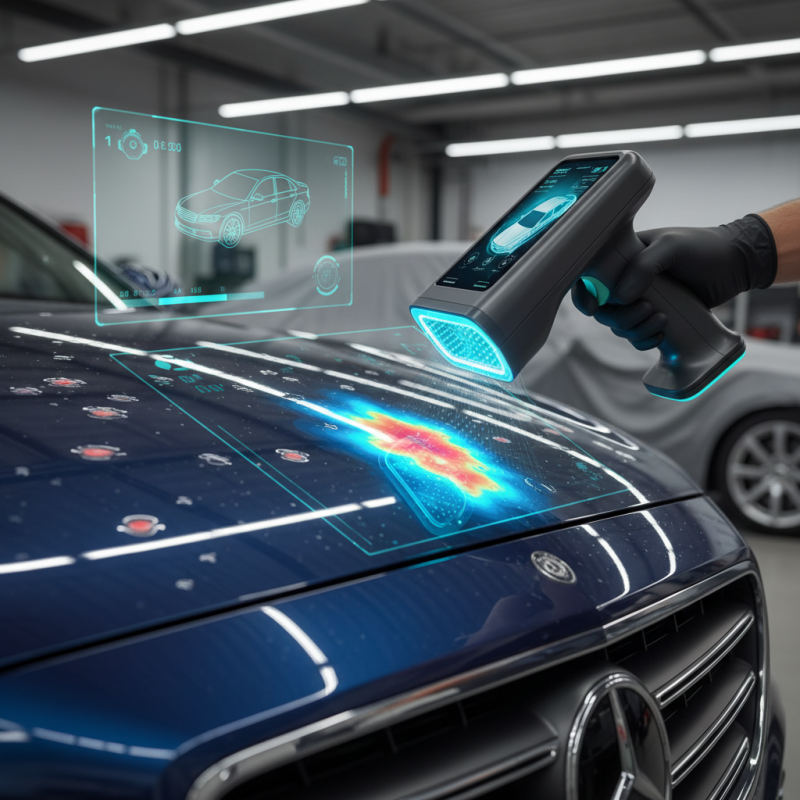
A good system should combine advanced technology with user-friendly features. It should provide accurate readings and detailed reports. Many systems use infrared and ultrasonic technology to detect hidden damage. Knowing the key features to look for can make a big difference in your decision.
Consider the experience and reputation of the manufacturer. Look for user reviews and industry certifications. Not all systems measure up to expectations. Therefore, reflecting on your specific needs will help you avoid wasted resources. Ultimately, investing in a trusted Vehicle Hail Damage Scanning System protects your investment and ensures peace of mind.
Understanding Vehicle Hail Damage Scanning Systems
Understanding vehicle hail damage scanning systems is essential for effective vehicle maintenance. These technologies assess damage quickly and accurately, which helps in making informed repair decisions. When selecting a system, consider the types of sensors it uses. Different sensors can provide varied levels of detail, impacting repair costs and time.
Tips: Look for systems with advanced imaging capabilities. This ensures that even minor dents are detected. Also, check the system's software for user-friendliness. An intuitive interface can significantly reduce training time for technicians.
Another key factor is real-time data reporting. These systems should provide instant results after the scan. This feature allows for quicker claims processing and repair scheduling. However, not all systems meet this standard. Some may require manual analysis, which can lead to delays.
Tips: Evaluate the system’s compatibility with existing repair processes. This will help avoid integration issues. Additionally, consider customer support provided by the manufacturer. Responsive support can be invaluable when system issues arise.
Key Features to Look for in Scanning Technology
When searching for the ideal vehicle hail damage scanning system, focus on the critical features of scanning technology. High-resolution imaging is essential. Systems should provide detailed images that capture even the smallest dings and dents. A recent report from the Automotive Damage Assessment Institute highlights that 80% of insurance claims are directly related to accurate damage assessments. Without high-resolution capabilities, key damage might be overlooked, leading to costly errors.
Speed is another vital factor. In a fast-paced environment, a scanning system should deliver results quickly. Ideally, results should come in under five minutes. This efficiency not only improves workflow but also enhances customer satisfaction. However, some systems may struggle with speed versus accuracy, leaving room for errors. Additionally, user-friendly software is necessary. The interface should facilitate easy data analysis and reporting. Complicated systems can lead to operator mistakes, as 15% of technicians report issues with understanding complex software.
Scalability also matters for future-proofing technology investments. As vehicle designs evolve, so should your scanning tools. Look for systems that can adapt to new car models and types. Unfortunately, many systems today lack this flexibility, making them less valuable in the long run. A good balance between precision and adaptability is crucial for any dealership or service center.
Comparing Different Types of Hail Damage Scanners
Choosing the right hail damage scanner can be challenging. Each type offers unique features and benefits. Understanding these can help in making an informed decision. Traditional scanners often rely on the physical inspection of vehicles. They require manual operation and expertise in detecting subtle damage. Digital scanners, however, provide advanced imaging technology. They often integrate with software for better data analysis and reporting.
Tips: Consider the user interface when selecting a scanner. A complicated interface can slow down your work. Look for systems that provide training resources. This can enhance your team's effectiveness. Real-time imaging features can also be a game changer. They provide immediate feedback, which aids accuracy.
Different models vary in portability and weight. Portable scanners can easily move from site to site. They're beneficial for mobile inspections. On the other hand, fixed systems may offer more advanced features. However, they require dedicated space. Each has its pros and cons, impacting your choice. You may face trade-offs based on your business needs. Always evaluate the long-term cost and performance.
How to Choose the Best Vehicle Hail Damage Scanning System?
Factors Affecting the Accuracy of Hail Damage Detection
When choosing a hail damage scanning system, accuracy is paramount. Several factors can significantly influence the detection of hail damage. The resolution of the imaging technology plays a crucial role. Systems that utilize high-resolution imaging can better identify subtle dents or marks on vehicle surfaces. According to a recent industry report, systems with a resolution of 2.5mm or finer can detect up to 95% of damage in controlled environments.
The environmental conditions during scanning are equally important. Factors such as lighting, temperature, and the angle of inclination can affect results. For instance, poor lighting can obscure minor hail damage, leading to inaccuracies in assessments. Studies suggest that scanning under consistent lighting conditions improves detection rates by nearly 30%. Technicians must also consider the vehicle surface material. Different materials respond to hail impact differently, which can confuse detection systems.
Human oversight remains essential in the scanning process. Automated systems may miss damage that an experienced technician would identify. An expert eye can provide context and recognize patterns that technology alone might overlook. This human element is often necessary for achieving reliable results, as reliance solely on automated systems can lead to mistakes. The integration of human expertise with scanning technology can enhance overall accuracy.
Evaluating Cost vs. Benefits of Hail Damage Scanning Systems
When assessing hail damage scanning systems, one must weigh the costs against the potential benefits. A comprehensive report from the Automotive Body Repair Association revealed that proper scanning can reduce repair costs by up to 30%. This substantial saving highlights the importance of investing in advanced technology. An initial high cost can seem daunting, but the long-term savings in repairs and the ability to provide accurate damage assessments can outweigh this.
In a survey conducted among vehicle repair professionals, nearly 70% indicated that scanning systems improve the accuracy of damage detection. However, the effectiveness of a scanning system can vary based on its technology and ease of use. Some systems may have a steep learning curve, causing initial confusion among technicians. In this regard, the right training should not be overlooked, as it plays a vital role in maximizing the system's effectiveness.
Additionally, the frequency of severe weather events is rising. According to recent meteorological studies, hailstorms are becoming more common in many regions. A reliable scanning system can be a game changer in responding to these events swiftly. A thorough evaluation of the features, usability, and long-term reliability will inform better purchasing decisions. Consider both immediate costs and future benefits carefully before making a commitment.
How to Choose the Best Vehicle Hail Damage Scanning System? - Evaluating Cost vs. Benefits of Hail Damage Scanning Systems
| Scanning System | Cost ($) | Detection Accuracy (%) | Time to Scan (minutes) | Recommended for (Vehicles) | Customer Rating (1-5) |
| System A | 2000 | 95 | 30 | Sedans, SUVs | 4.8 |
| System B | 1500 | 90 | 25 | Trucks, Vans | 4.5 |
| System C | 2500 | 92 | 35 | Sportscars, Coupes | 4.6 |
| System D | 1800 | 88 | 28 | Crossovers, Minivans | 4.4 |