How to Choose the Best Lighted Business Signs for Your Needs?
When selecting Lighted Business Signs, there are many factors to consider. The right sign can attract customers and enhance your brand. It’s essential to balance aesthetics and functionality. This can be challenging, as trends and personal preferences vary widely.
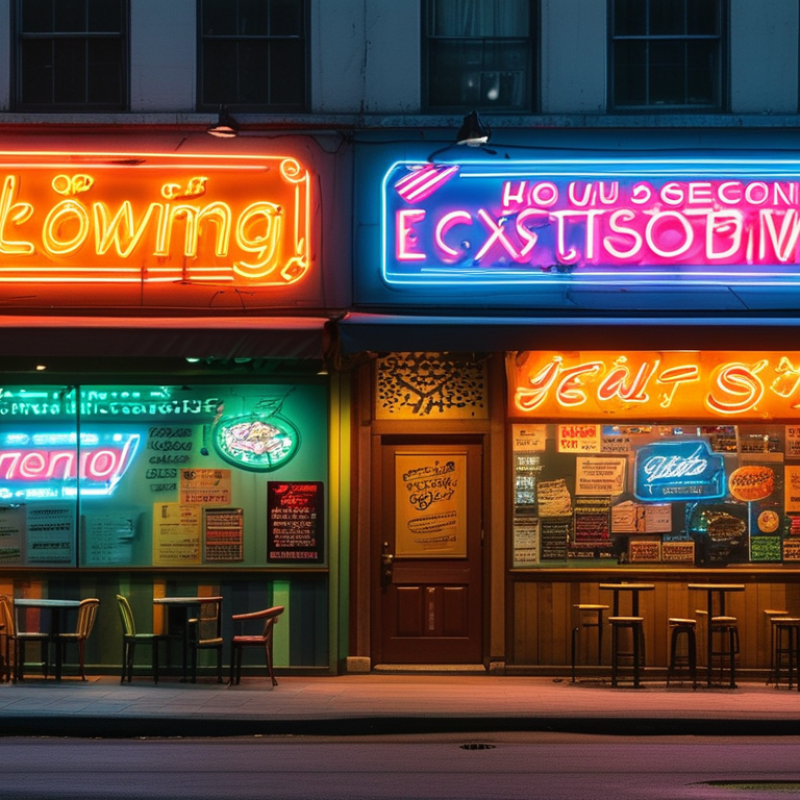
Lighted Business Signs come in different styles, sizes, and colors. Each option offers a unique way to communicate your brand message. Think about your business's personality and target audience. A flashy neon sign may work for a diner, while a sleek LED sign might be ideal for a tech company.
The material and design of your sign also matter. Durable materials ensure longevity, while design impacts visibility. Reflecting on your choices can help you avoid common pitfalls. Choosing the wrong type may lead to wasted resources and missed opportunities. Keep in mind that the most effective signs stand out without overwhelming potential customers.
Understanding Different Types of Lighted Business Signs Available in the Market
When selecting lighted business signs, it's crucial to understand the various types available. Neon signs, for instance, are known for their vibrant colors and retro appeal. A report from the Sign Research Foundation indicates that businesses using neon signs see a 20% increase in customer engagement. LED signs, on the other hand, offer energy efficiency and longer lifespan. They can facilitate dynamic messaging, making them popular for modern businesses.
Another type, backlit signs, provides a subtle glow that enhances visibility without overwhelming. Research suggests that 76% of consumers will enter a business based on sign quality. Understanding the distinctions in lighting types can help you make an informed choice for your brand's needs.
Tips: Consider the location and environment of your sign. For outdoor settings, choose durable materials that withstand weather conditions. Evaluate your brand’s image; the sign should reflect your business's personality. Be mindful of local regulations regarding sign brightness and placement to avoid potential issues.
Lighted Business Signs Types and Popularity
Evaluating Signage Materials for Durability and Visibility
When choosing lighted business signs, the materials used play a critical role. The durability of signage can significantly affect long-term costs. According to industry reports, LED signs can last up to 50,000 hours. In contrast, traditional neon signs can have a lifespan of merely 15,000 hours. This longevity can influence your choice, especially for businesses aiming for a cost-effective solution.
Visibility is another key factor. Acrylic and polycarbonate are popular materials for lighted signs because of their excellent light diffusion properties. Research shows that signs made of these materials can enhance visibility by up to 32% in low-light conditions. Additionally, reflective vinyl can significantly improve daytime visibility. However, some businesses might overlook this aspect, underestimating its effect on customer engagement.
Consider environmental factors too. Weather-resistant materials are a necessity for outdoor signs. Signs made from aluminum or treated wood can withstand harsh conditions. Yet, many business owners fail to account for local climate when selecting materials. Understanding these material properties can save money and effort over time. Choosing the right materials is not just about aesthetics; it’s about strategically maximizing your signage's effectiveness.
How to Choose the Best Lighted Business Signs for Your Needs?
| Signage Material | Durability (Years) | Visibility (Day/Night) | Maintenance Level | Cost Range ($) |
| Acrylic | 5-10 | High / High | Low | 150-400 |
| Aluminum | 7-15 | Medium / High | Low | 100-300 |
| Vinyl | 3-5 | Medium / Medium | Medium | 50-150 |
| LED | 10-20 | High / Very High | Low | 300-800 |
| Wood | 5-15 | Medium / Medium | High | 200-600 |
Assessing Brightness Levels: Choosing the Right Lumens for Your Location
Choosing the right brightness for your lighted business signs is essential. Brightness is measured in lumens. Different locations require different lumen levels for visibility. A street-facing sign may need higher lumens than one placed indoors. A good rule of thumb: more foot traffic means brighter signs.
Consider the location's natural light. A sunny environment can wash out dimmer signs. A shaded area may not need extra brightness. Test your sign in various lighting conditions. It’s wise to ask for feedback. Observe how well the sign stands out during the day and at night. This reflection aids in making the right choice.
Some experts suggest a range of 300 to 1,200 lumens. Signs in high-traffic areas should be on the higher end. Yet, too much brightness can be overwhelming. Balance is key. It’s important to revisit your choices regularly. Needs may change over time, so continual assessment is crucial.
Analyzing Cost-Effectiveness: Budgeting for Initial and Maintenance Expenses
Choosing the best lighted business signs involves careful budgeting. Initial costs can vary significantly based on materials and complexity. LED signs typically have higher upfront expenses but save money in the long run. They consume less energy compared to traditional neon signs, reducing your monthly electricity bill.
Maintenance expenses also play a crucial role. Over time, bulbs may need replacement, and wiring can wear down. Regular maintenance helps avoid costly repairs. It’s vital to factor in these ongoing costs when creating your budget. Some businesses overlook maintenance, leading to unexpected expenses. By planning ahead, you can allocate funds effectively and keep your signs looking professional.
Evaluate both initial and ongoing costs carefully. Consider long-term savings versus upfront investment. Some signs may seem affordable initially but can lead to higher maintenance costs. Keeping track of these elements ensures you make a sound decision for your business needs. This approach reflects not only good financial sense but also a commitment to quality and sustainability.
Regulatory Compliance: Navigating Local Signage Laws and Guidelines
When selecting lighted business signs, regulatory compliance is crucial. Many municipalities have specific laws about signage. Ignoring these laws can lead to fines or forced removal of signs. According to a survey by the International Sign Association, over 50% of businesses faced challenges with local regulations. Understanding local guidelines helps avoid penalties.
It's important to research the permitted sizes, illumination types, and locations for your signs. For example, some areas restrict flashing lights. The average cost for non-compliance can range from $500 to $2,500, depending on the severity. A well-informed approach in sign planning can save businesses from significant setbacks.
Moreover, local zoning boards often require permits for illuminated signs. Sometimes, approval can take weeks. Patience and diligence in understanding these processes are essential. Overlooking local signage laws may seem trivial, but it can hamper your business's visibility and reputation. Engaging with local authorities or working with experts can simplify this process.