How to Choose the Best Level 3 DC Fast Charger for Your Needs?
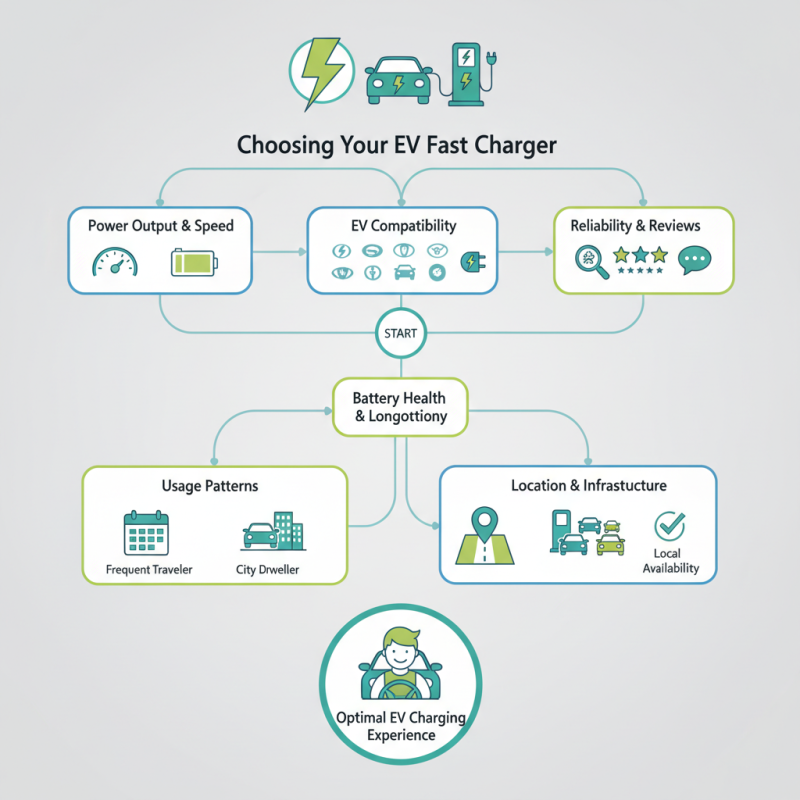
Choosing the right Level 3 Dc Fast Charger can be a daunting task. With the rapid growth of electric vehicles (EVs), charging needs vary widely. You need to consider your specific requirements, usage patterns, and available infrastructure. A Level 3 DC Fast Charger offers quick charging times, but understanding its features is crucial for optimal use.
Look for chargers that deliver high power output. Check compatibility with your EV model. Some chargers are designed for specific brands, while others offer universal compatibility. Reliability is key; read customer reviews and consult industry experts. Battery health is another important aspect. A poorly chosen charger can lead to battery degradation over time.
Having a clear picture of your charging needs is vital. Are you a frequent traveler or a city dweller? Consider your charging location. While fast chargers are available, availability may vary. Research local options to ensure you won’t face long wait times. A thoughtful approach ensures your investment in a Level 3 DC Fast Charger meets your demands and enhances your EV experience.
Understanding Level 3 DC Fast Chargers: An Overview
Level 3 DC fast chargers are vital for EV owners. They provide ultra-rapid charging, making them ideal for long-distance travel. Understanding their features helps users choose the right one for their needs. These chargers typically deliver power between 50 kW to 350 kW. This means vehicles can charge to 80% in under 30 minutes.
When considering a Level 3 charger, focus on the charging speed. Fast chargers save time, especially during road trips. However, assess the compatibility with your vehicle's charging port. Check the technical specifications to avoid any mismatches.
It’s essential to evaluate the installation requirements. Some chargers may need special wiring or additional electrical systems. Costs can vary based on location and installation complexity. Research local regulations concerning installations. Understanding these details prevents unexpected challenges.
Key Features to Consider When Choosing a Level 3 DC Fast Charger
Choosing a Level 3 DC fast charger requires careful consideration of key features. These chargers are vital for electric vehicle networks and can significantly influence charging times. The average fast charger delivers power levels between 50 kW and 350 kW. However, recent reports indicate that to meet growing demands, chargers with 150 kW to 300 kW are more effective. They can charge vehicles to 80% in approximately 30 minutes, which enhances user experience.
Understanding compatibility with various electric vehicle models is crucial. Not all chargers work seamlessly with every make or model. Some chargers may require specific connectors, which can lead to potential frustration. Additionally, charging speed is just one aspect. One study notes that about 30% of users prioritize user interface and diagnostics. An intuitive interface can make operations more efficient and less stressful for users.
Maintenance and lifespan are also critical factors. Chargers that are frequently updated with software enhancements have a better track record. Data suggests that well-maintained chargers operate at 90% efficiency or higher over their lifetime. A lack of regular updates can lead to obsolescence, making it vital to consider future-proof options. Balancing these features can feel overwhelming, but keeping these specifics in mind can guide better decision-making.
Evaluating Charging Speed: What You Need to Know
When evaluating charging speed for Level 3 DC fast chargers, understanding specific metrics is essential. Charging speed is typically measured in kilowatts (kW). The higher the kW, the faster your electric vehicle can charge. Most Level 3 chargers range from 50 kW to 350 kW. This dramatic difference means that a 350 kW charger can potentially recharge an EV in about 30 minutes, while a 50 kW charger may take over an hour.
Consider your vehicle’s compatibility, too. Not all EVs can take advantage of higher charging speeds. Some models may only support lower kW chargers, limiting your charging options. It's crucial to check your vehicle’s specifications before investing in a charger. Also, take note of peak charging times. A charger might advertise fast speeds, but in high-demand situations, charging can slow down due to energy management systems.
Reliability is another factor. Not all charging stations maintain consistent performance. Older models may underperform over time. Research local charging stations to find ones that have a solid track record. Gathering real user experiences may offer insights into their reliability and maintenance. Explore user reviews for an authentic perspective, focusing on their charging speed experiences. Balancing speed with reliability may lead to a smoother EV ownership experience.
Assessing Compatibility with Your Electric Vehicle
When choosing a Level 3 DC fast charger, compatibility with your electric vehicle (EV) is paramount. Not all chargers work with every model. Check your vehicle’s specifications before making a decision. Different EVs may have varying plug types such as CCS, CHAdeMO, or Tesla. Ensuring a match will save you time and frustration.
Tips: Always consult your vehicle’s manual. It may offer insights into compatible chargers. Consider visiting forums dedicated to EVs for user experiences. This can provide real-world information about which chargers work best.
Understanding your charging needs is essential. Think about where you will be charging most often. Public charging stations may offer different speeds and connectors. Having a charger at home could also be beneficial. Install it near your parking space for convenience.
Tips: Measure the distance from your power source to where you'll place the charger. This helps assess installation challenges. Additionally, remember the availability of local service support for maintenance and repairs. Proper support can enhance your charging experience.
How to Choose the Best Level 3 DC Fast Charger for Your Needs? - Assessing Compatibility with Your Electric Vehicle
| Charger Type | Charging Power (kW) | Connector Type | Compatibility | Price Range ($) |
| Level 3 Charger A | 50 | CCS/CHAdeMO | Compatible with most EVs | 15,000 - 20,000 |
| Level 3 Charger B | 100 | CCS | Compatible with recent EV models | 25,000 - 30,000 |
| Level 3 Charger C | 150 | CCS/GBT | Wide EV compatibility | 30,000 - 40,000 |
| Level 3 Charger D | 175 | CCS | Most EVs | 35,000 - 45,000 |
Cost Analysis: Budgeting for a Level 3 DC Fast Charger
When budgeting for a Level 3 DC fast charger, consider various costs associated with installation and maintenance. The upfront investment can be significant, as chargers range widely in price. It’s essential to evaluate your usage needs. A higher capacity charger may be more expensive but can save time in the long run.
Tips: Assess your charging frequency. If you plan to charge multiple vehicles or offer services, a robust model is wise. Don’t overlook site preparation costs. Installation may require electrical upgrades, which can add to expenses.
Additionally, evaluate available incentives or rebates in your region. Many governments encourage green technology adoption. Local installations could reduce overall costs. This creates a more budget-friendly solution for businesses and homeowners alike.
Lastly, remember that ongoing costs exist. Maintenance and electricity rates can impact long-term budgeting. Consider these variables to ensure your investment remains viable. Balancing upfront and long-term expenses is crucial for informed decision-making in your purchases.
Cost Analysis of Level 3 DC Fast Chargers