How to Choose the Best Laser Cutting Machine for Your Needs?
Choosing the right laser cutting machine can significantly impact your manufacturing efficiency. The global laser cutting machine market was valued at approximately $4.5 billion in 2022 and is expected to expand rapidly. As industries evolve, specific demands for precision and versatility increase.
When selecting a laser cutting machine, consider your material needs. Different machines work better with metals, plastics, or textiles. Identifying the right specifications ensures optimal performance and productivity. However, it is easy to overlook factors like maintenance and user training. Inadequate understanding can lead to underutilization or costly repairs.
Additionally, the technological advancements in laser cutting machines present opportunities and challenges. High-powered models offer speed and precision but come with a steep learning curve. Balancing cost and capability is often a struggle for businesses. Thoughtful consideration and research can help avoid common pitfalls when investing in a laser cutting machine.
Understanding Different Types of Laser Cutting Machines Available
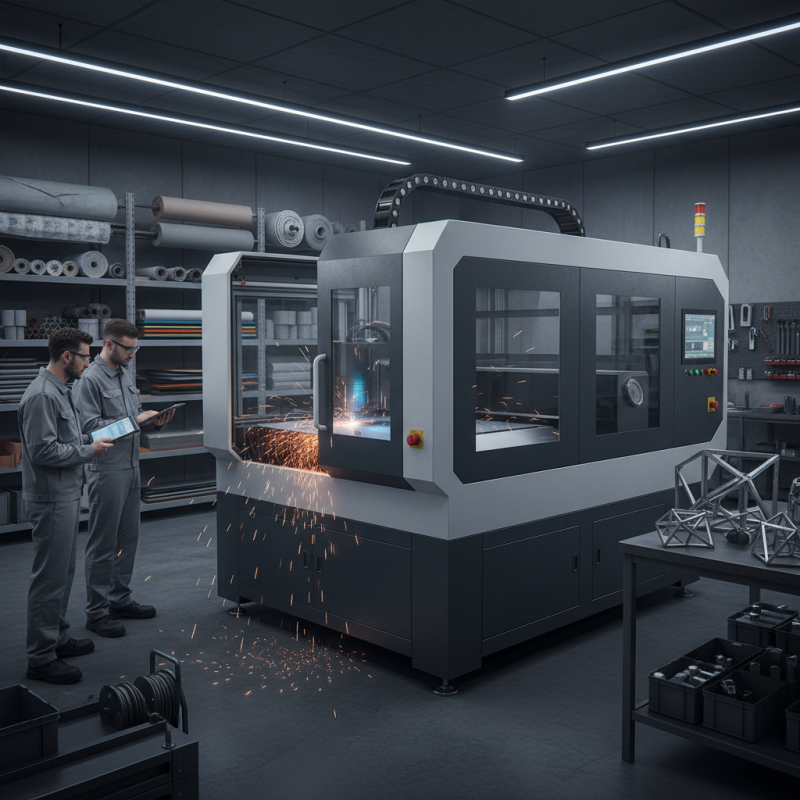
When selecting a laser cutting machine, it's essential to understand the different types available. There are CO2 laser cutters, fiber laser cutters, and crystal laser cutters. Each type has unique capabilities. CO2 machines excel at cutting organic materials like wood and acrylic. Fiber lasers are ideal for metals, offering precision and speed. Crystal lasers provide excellent quality for specialized tasks.
Tip: Assess your primary material before making a choice. If you often cut wood, opt for a CO2 laser. For metalwork, a fiber laser will save time and produce cleaner edges.
Another factor to consider is the machine's power. Higher wattage means increased cutting speed and thickness capability. However, higher power can also translate to higher costs. It’s important to find a balance that meets your needs without overspending.
Tip: Consider your long-term projects. Are you likely to scale up or change materials? This reflection will guide your purchase toward flexibility for future tasks. Avoid confines to specific materials or low power; you might regret this later.
Key Factors to Consider When Selecting a Laser Cutting Machine
Choosing a laser cutting machine requires careful consideration of multiple factors. One of the primary aspects is the material you will be working with. Different materials, such as metal, wood, or acrylic, require different types of lasers. For example, CO2 lasers work well with non-metal materials, while fiber lasers are effective for cutting metals. Industry reports indicate that around 30% of manufacturers prefer fiber lasers for metal processing due to their efficiency.
Another critical factor is the machine's power and speed. The cutting power affects the thickness and speed of the cuts. Machines with higher wattage can cut thicker materials more efficiently. According to a recent analysis, a 150W laser can typically cut through up to 10 mm of acrylic. However, high power may lead to faster wear and increased maintenance needs, which is often overlooked by new buyers.
Budget considerations are also essential. Laser cutting machines vary significantly in price, typically ranging from a few thousand to tens of thousands of dollars. It's essential to weigh performance against cost. Sometimes, cheaper machines may not meet your long-term needs. Be wary of hidden costs, such as spare parts or software licenses, which can inflate your initial investment. Your choice may reflect not just current requirements but future business growth.
Laser Cutting Machines: Key Factors to Consider
This chart summarizes key factors to consider when choosing a laser cutting machine, including power, speed, material thickness, precision, and cost. Each bar represents typical values for these factors, helping you make an informed decision based on your needs.
Assessing Your Material Compatibility with Laser Cutting Technology
When it comes to laser cutting, material compatibility is crucial. Different materials react uniquely to laser technology. For example, wood burns differently than metal. If you plan to cut wood, a CO2 laser is often preferred. It offers precision with minimal burn marks. Conversely, metals require higher power lasers, such as fiber lasers. Understanding these differences is essential.
Consider the thickness and type of your chosen material. Thin materials, like acrylic, require less power but can warp under intense heat. Metals like stainless steel need careful settings to avoid burning or melting. Testing is often necessary to find optimal parameters. It's not a one-size-fits-all approach. You may encounter unexpected results during experimentation. Keep notes to refine your process.
Reflect on your specific projects. Are you frequently cutting fabric, plastic, or metal? Each will demand different laser specifications. Don't hesitate to re-evaluate your choices based on previous outcomes. Compatibility should influence your machine choice heavily. Think about the long-term implications of your selections. Adapting your strategies will yield better results and save costs in the long run.
Evaluating Performance Specifications and Power Requirements
Choosing the right laser cutting machine involves understanding performance specifications and power requirements. The power of a laser cutter directly impacts its efficiency. A higher wattage often means faster cutting and the ability to handle thicker materials. However, more power may also lead to increased energy costs. This is an important factor to consider regarding your budget and operational needs.
Look closely at the specifications when evaluating a machine. Cutting speed, precision, and the types of materials it can handle are crucial. For instance, some machines are better for metal, while others excel with wood or acrylic. Paying attention to these details can prevent future headaches. You might find that a machine meets your power needs but falls short in versatility.
Reflect on your usage. A powerful machine might not be necessary for occasional projects. Conversely, a lower-powered model might struggle as your business grows. Understanding these nuances is vital. Ask yourself about your long-term goals. Will your needs change? This reflection can guide you in making a more informed decision.
Cost Analysis and Budget Planning for Laser Cutting Equipment
When selecting a laser cutting machine, understanding your budget is crucial. According to a recent industry report, entry-level machines start around $5,000. However, high-end models can exceed $150,000. Prices vary based on features, such as cutting speed and material compatibility. It’s key to balance your needs with your financial capacity.
Budget planning should incorporate not just the purchase price, but also operational costs. Maintenance and consumables, like lenses and gas, can add up. A study by the Association for Manufacturing Technology found that ongoing costs can reach 20-30% of the initial expenditure annually. Understanding these figures can prevent unexpected financial strain.
Lack of proper cost analysis can lead to misinformed decisions. Many buyers may focus solely on the machine's price, neglecting additional expenses. It may require a few iterations to find the perfect financial fit. Assessing operational needs against your budget is essential for making a wise choice.