How to Choose the Best Spot Light On Ceiling for Your Home?
Choosing the right “Spot Light On Ceiling” for your home can transform your space. According to lighting expert, Emily R. Johnson, “The right fixtures can define a room's mood.” It’s essential to understand how different styles and placements of spotlights affect your home's ambiance.
When selecting a spotlight, consider the size and layout of the room. A large room might benefit from multiple fixtures, while a smaller space can do well with a single, well-placed spotlight. Pay attention to the beam angle. Narrow beams create focused light, while wider beams offer general illumination.
Installation is another crucial factor. DIY installations can potentially lead to mistakes. Hiring a professional can save time and ensure safety. Reflect on your room's needs. Think about how you want your space to feel. This reflection might reveal that you want more than just a light fixture; you desire an inviting atmosphere. The right “Spot Light On Ceiling” can elevate your home significantly.
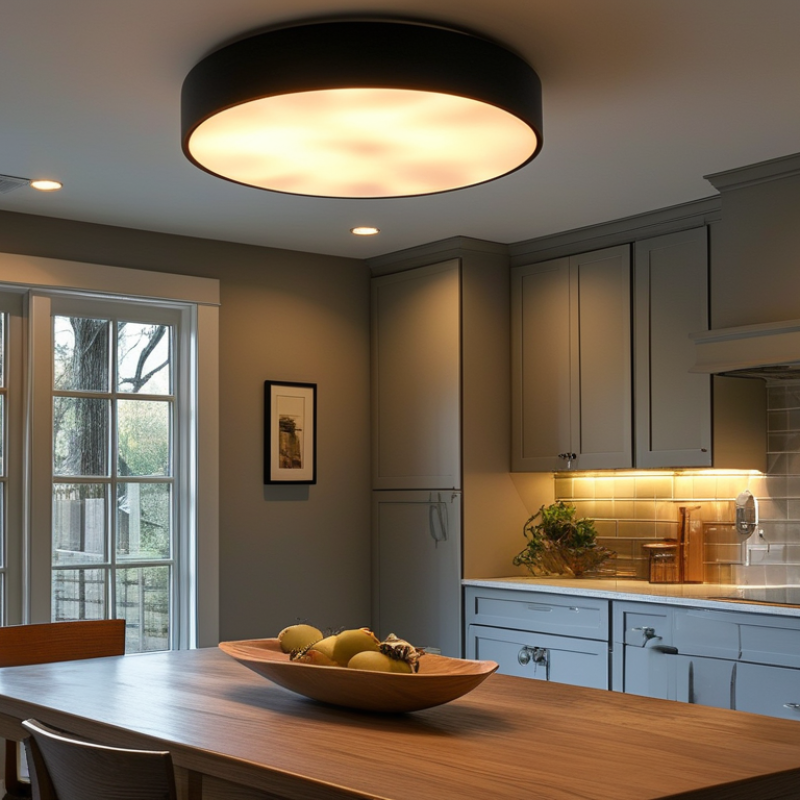
Understanding Different Types of Ceiling Spot Lights for Home Use
When it comes to ceiling spot lights, understanding the various types available is crucial. These lights can dramatically alter the ambiance of a room. Common varieties include track lights, recessed lights, and directional spotlights. Each type serves different lighting needs. Track lights allow flexibility. You can adjust them to highlight specific areas in your home. Recessed lights are sleek and modern, perfect for minimalist designs. Directional spotlights focus light in one area, which creates a dramatic effect.
Choosing the right type depends on your room's function. For a cozy reading nook, consider directional spotlights. They provide focused illumination. In contrast, track lights work well in an art gallery or kitchen, offering versatility. Ensure the wattage suits your space. Too much brightness can feel harsh.
When selecting spot lights, think about your ceiling height. High ceilings may benefit from track lighting, while lower ceilings might look best with recessed fixtures. Also, consider the angle. Lights that can pivot offer more control over light direction. Patience is essential when making your choice. Take your time to explore different options. This investment will impact your home for years.
Comparison of Different Types of Ceiling Spot Lights
Assessing Room Size and Layout for Optimal Lighting Placement
When choosing the best spotlight for your ceiling, room size and layout play a critical role. According to recent studies, larger rooms require more light sources. The Illuminating Engineering Society recommends at least 20 lumens per square foot for adequate general lighting. For a typical 10x12 foot room, aim for around 2400 lumens. This ensures the room feels vibrant and welcoming.
Additionally, consider the layout of your space. Open floor plans benefit from strategic placement of ceiling spotlights. Focus on key areas such as seating, artwork, or workspaces. Studies indicate that well-placed lighting can enhance mood and productivity. However, overheating or excessive glare can occur with improper placement. Different areas may require different light intensities, demanding careful assessment.
Reflect on furniture arrangements. Some areas may remain shadowed. This leads to an unbalanced appearance. It’s essential to test light placement before final installation. Temporary mounts can help visualize the effect. Mistakes can be illuminating; they often guide better decisions on lighting design and placement.
Evaluating Brightness and Color Temperature for Your Needs
When selecting the ideal ceiling spotlights, evaluating brightness and color temperature is crucial. Studies show that about 60% of people prefer warm light in living areas. A color temperature around 2700 to 3000 Kelvin creates a cozy atmosphere. This warmth can encourage relaxation and promote social interactions.
On the other hand, brighter white light, typically between 3500 to 4100 Kelvin, is ideal for workspaces. This cooler light enhances focus and productivity. A 2019 report from the Illuminating Engineering Society highlights that proper lighting can improve task performance by up to 20%. It’s essential to match the color temperature to the room’s purpose.
Consider the lumens, which measure brightness. The average living room may require about 1,500 to 3,000 lumens for adequate illumination. However, many fail to account for factors like wall color and room size, potentially resulting in insufficient lighting. Evaluate your needs and calculate the right lumens for your space. Balancing color temperature with brightness will ensure you create an inviting and functional environment in your home.
Selecting Fixtures that Complement Your Interior Design Style
When selecting ceiling spotlights, consider your interior design style. A modern home may benefit from sleek, minimalist fixtures. These often feature clean lines and a neutral color palette. In contrast, a cozy, rustic space can shine with fixtures that have warm finishes, like bronze or wood accents. Pay attention to how the fixture’s shape complements the furniture and decor. An unbalanced selection can disrupt harmony in the room.
Lighting affects mood and perception. Placement matters as much as style. Too many lights can make a space feel harsh, while too few may leave it dim. Dimmer switches permit flexibility, allowing you to adjust according to your activities. Finding the right balance can be a challenge. You might experiment with different arrangements and brightness levels.
Remember to factor in functionality along with aesthetics. Spotlights can direct light to artwork or architectural details you wish to highlight. But don’t overlook the potential drawbacks. Some fixtures can create unwanted shadows. Reflect on how you want your space to feel. This aligns lighting choices with your vision. Selecting the right fixture becomes an art in itself.
Considering Installation and Maintenance Requirements for Ceiling Lights
When selecting ceiling lights, installation and maintenance are crucial factors. Proper installation ensures safety and enhances functionality. Consider whether you will DIY or hire a professional. Some fixtures require specific ceiling structures, which may complicate the process. Knowledge of wiring is also essential. Complex setups can leave you frustrated if you're not comfortable with electrical work.
Maintenance is often overlooked. Dust and grime can accumulate on fixtures over time, impacting light quality. Regular cleaning is essential, but not everyone has the time or willingness to do this. Check the type of bulbs used, as some need more frequent replacements than others. The accessibility of your lights also matters. Are they easy to reach, or will you need a ladder? Reflect on these factors before making a decision.
Choosing the right ceiling light should complement your home while considering installation and upkeep. A beautiful fixture can quickly lose its charm if maintenance becomes a hassle. Think about the long term. The best choice balances aesthetics with practicality.