shining bright

a British lighting manufacturer with a difference

Obsessed with solving problems, not just selling 'stuff': we were born from a belief that the lighting industry deserved better.

China Top 10 Biogas Treatment Engineering Companies?

Choosing among China’s leading Biogas Treatment Engineering companies requires more than comparing project counts or equipment lists. A dependable assessment looks at feedstock conditions, treatment performance, operating history, and the support available after commissioning. Small details matter. A wet gas line, unstable hydrogen sulfide levels, or poor moisture control can affect downstream equipment and plant uptime. Biogas Treatment Engineering therefore involves more than installing a digester or gas-cleaning unit.

This overview compares ten companies through practical criteria: process design, gas purification, upgrading capability, project delivery, and documented technical experience. Where public information is limited, that uncertainty deserves attention; a polished website is not proof of reliable field performance. Dr. Arthur Wellinger is a recognized biogas specialist whose work provides useful context. A concise, non-verbatim summary of the engineering principle reflected in his field is: “Treatment should match the feedstock, gas quality, and intended use.” That distinction helps separate broad claims from solutions suited to a specific plant. Still, no ranking fits every project. A farm digester, a municipal facility, and an industrial plant may need different designs, service models, and investment levels. This guide offers a starting point for careful comparison, not a substitute for checking references, specifications, and operating data.
China Top 10 Biogas Treatment Engineering Companies?

China’s Biogas Sector: IEA Bioenergy’s 50–70% Raw-Gas Methane Range

Raw biogas is not pipeline-quality gas. IEA Bioenergy reports methane concentrations commonly around 50–70% by volume, with carbon dioxide making up much of the remainder. The exact composition shifts with feedstock, digester operation, and sampling conditions. A manure-based digester and a food-waste plant may deliver noticeably different gas.

That range matters when engineers size treatment systems. A gas stream near 50% methane carries a different upgrading burden from one near 70%. Moisture, hydrogen sulfide, and other trace compounds also affect equipment choices and maintenance. A condensate drain, for example, may reveal more about day-to-day operation than a polished design drawing. Small details matter.

Reliable planning starts with representative gas testing, not a single convenient reading. Operators should track methane levels over time and record changes in feedstock and process conditions. The reported range is useful, but it is not a design guarantee. It can conceal seasonal swings and uneven sampling. That is easy to overlook. Engineering comparisons become more meaningful when projects state their gas composition, measurement basis, and treatment targets clearly.
Criteria for Selecting China’s Top 10 Biogas Treatment Engineering Companies

Selecting China’s top biogas treatment engineering companies requires more than comparing equipment prices. “Top” should mean capable of matching treatment design to the gas source, operating conditions, and intended use. Ask for project records from facilities with similar feedstock, such as food waste or agricultural residues. Details matter. A supplier’s experience with one gas stream may not transfer neatly to another.

Review the proposed process against measured gas composition, not broad assumptions. Request clear treatment targets for hydrogen sulfide, moisture, and other relevant contaminants. Check how the design handles seasonal changes, foaming, and fluctuating gas flow. Ask to see process diagrams, commissioning procedures, and performance data from comparable projects. A site visit can reveal practical details that a presentation misses, like maintenance access around filters or condensate drains. Those small things count.

Reliability also depends on controls, operator training, spare-parts access, and response times for technical support. Compare energy use and replacement costs over the equipment’s expected service life, rather than focusing only on the initial quote. Clarify which operating conditions any performance commitments assume. A spreadsheet can still mislead. Even careful buyers may overlook how local feedstock changes affect performance, so independent technical review and a realistic trial plan can help expose weak assumptions before construction begins.

China Biogas Treatment Engineering: Technical Benchmarks for Company Selection

Typical biomethane methane-content ranges vary by upgrading technology. The bars show the midpoint of each indicative range—not a company-specific result. When assessing engineering providers, also compare methane recovery, energy use, contaminant removal, operational reliability, and lifecycle cost.

Indicative technical ranges compiled from commonly reported biogas-upgrading literature, including IEA Bioenergy Task 37 publications. Actual performance depends on feed-gas composition, system design, and operating conditions.

Company Profiles: EPC Capabilities, Feedstocks, and Project Track Records

A useful comparison of China’s leading biogas engineering contractors starts with what they can deliver, not just their equipment lists. Some provide full EPC services, from feedstock testing and process design to construction, commissioning, and operator training. Others focus on digestion systems or gas upgrading, leaving more integration work to the project owner. That difference affects schedule, accountability, and long-term maintenance.

Feedstock experience matters. Livestock manure, food-processing residues, and municipal organic waste behave differently in a digester. A contractor should explain how it handles seasonal variation, grit, high moisture, and changing gas yields. Ask for operating data, not only design capacity. Details matter. A site visit can reveal whether digestate handling and odor control work as planned.

Track records deserve careful checking. Request references for projects with similar feedstocks and climate conditions, then confirm commissioning dates, actual throughput, and operating hours. A claimed project count alone says little about performance. Some public profiles may omit setbacks or revised guarantees; that is worth discussing openly. No single contractor fits every site, and an attractive proposal can still leave important interface risks unresolved.

Treatment Technologies: H₂S Removal, CO₂ Separation, and Biomethane Upgrading

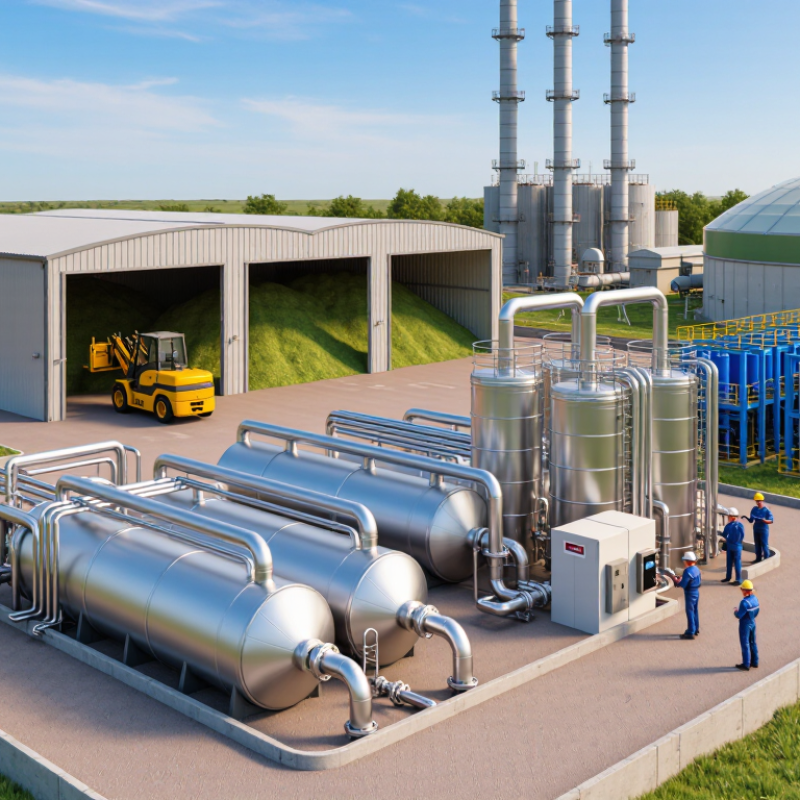
For a “China Top 10 Biogas Treatment Engineering Companies” review, compare technical capability, not just equipment lists. Raw biogas often carries hydrogen sulfide, moisture, and carbon dioxide. H₂S removal protects downstream equipment from corrosion and helps meet gas-quality targets. Common methods include iron-based media, activated carbon, and biological scrubbing. Each has different demands for replacement, chemical use, and process control. Small details matter. A damp filter bed can behave differently from a dry one.

CO₂ separation raises methane concentration for biomethane applications. Water scrubbing, membrane separation, and pressure swing adsorption are established options, but none fits every site. Feed-gas variation, energy consumption, methane slip, and maintenance access should all be assessed. A supplier’s design should explain how performance changes when gas flow or composition shifts. Ask for operating data from comparable projects, not only a peak efficiency figure. That distinction is easy to miss.

Upgrading also depends on pretreatment and reliable monitoring. Moisture removal, oxygen control, and final gas analysis can affect stable operation and product consistency. Engineering proposals should show process flow, expected utility use, residual-gas handling, and a realistic maintenance plan. There is no perfect treatment train. Even a sound design may need adjustment after commissioning, especially when feedstock quality changes with the season. A little uncertainty belongs in the plan.

Performance Metrics: Methane Recovery, Product Purity, Energy Use, and O&M

When comparing China’s biogas treatment engineering companies, ask for measured performance, not brochure targets. IEA Bioenergy Task 37 technical reviews report methane recovery commonly around 96–99% for commercial upgrading systems. Actual results depend on feed-gas quality, operating conditions, and methane slip control. Small losses matter.

Product purity should be checked against the intended end use and applicable grid specifications. Many upgrading systems produce gas above 95% methane, but purity alone does not prove compliance. Request recent, independently verified readings for methane, carbon dioxide, moisture, and hydrogen sulfide. A single commissioning test is not enough.

Energy use can materially affect project economics. Technology reviews commonly place upgrading electricity demand around 0.2–0.5 kWh per normal cubic metre of raw biogas, with compression and process design shifting the figure. Compare like with like. Track energy consumption, plant availability, unplanned downtime, and methane in off-gas over a full operating year. U.S. EPA AgSTAR guidance also emphasizes routine monitoring and maintenance planning. Ask for records of membrane or media replacement, alarm response, and service intervals. A tidy spreadsheet can still miss seasonal feedstock changes; real operating data deserves scrutiny.

Our story

When The Light Went On

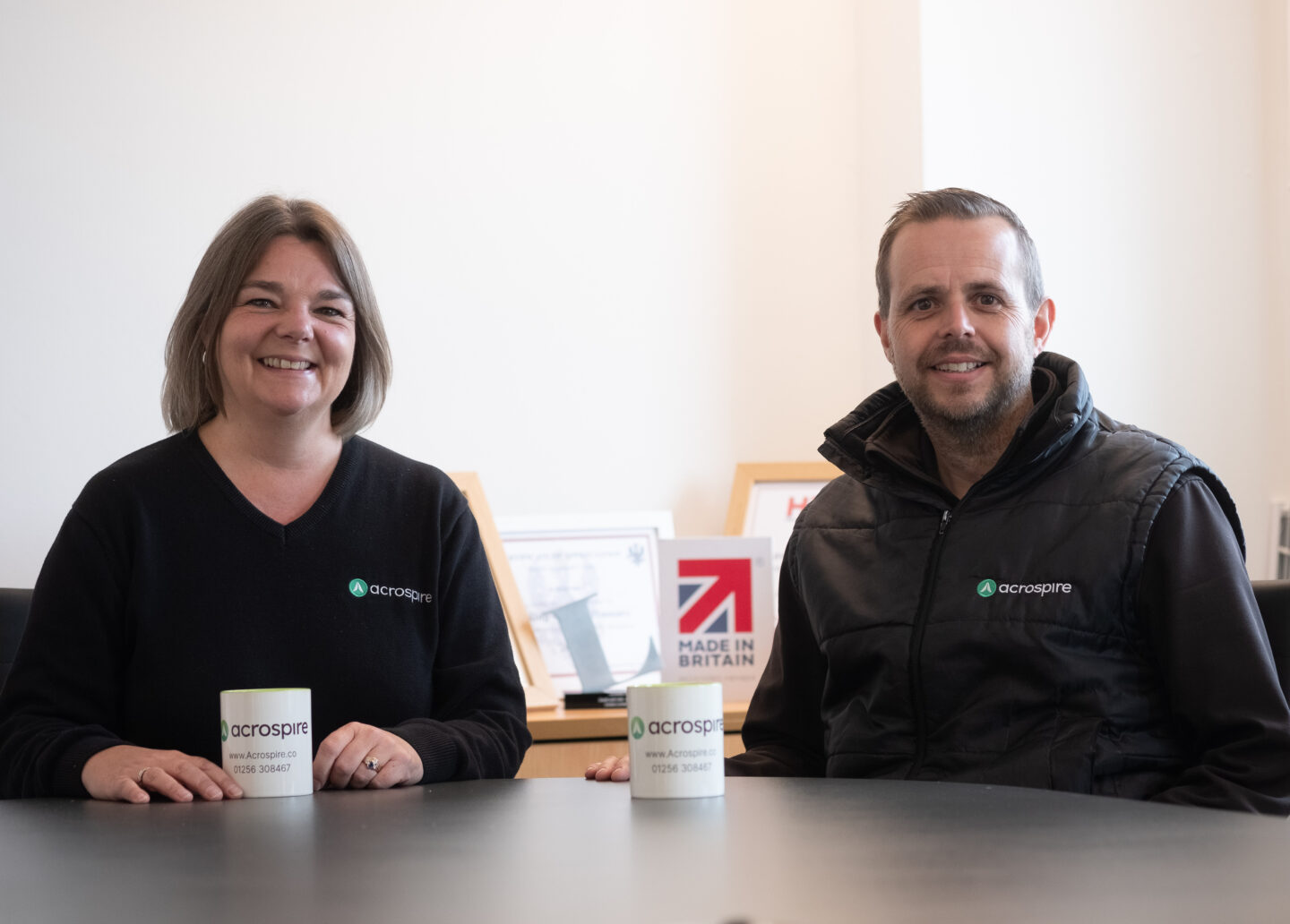
The idea for Acrospire was formed in 2012 when founder Tim envisioned a different kind of lighting manufacturer: one that would not only deliver outstanding customer experiences but also prioritise fair treatment for its employees.

We’ve come a long way

Working from any nook and cranny we could find

Motivated by the belief the industry wanted and needed better, Tim shared his plan to establish his own venture with Hatty, who simply couldn't let him do it alone.

The rest, as they say, is history.

Protecting local jobs and ensuring the best quality possible.

The products sold should, where possible be manufactured here in the UK

Working from a rented office by day and assembling lanterns in a garage at night, Tim and Hatty set to work.

11 Years later

and a lot has changed

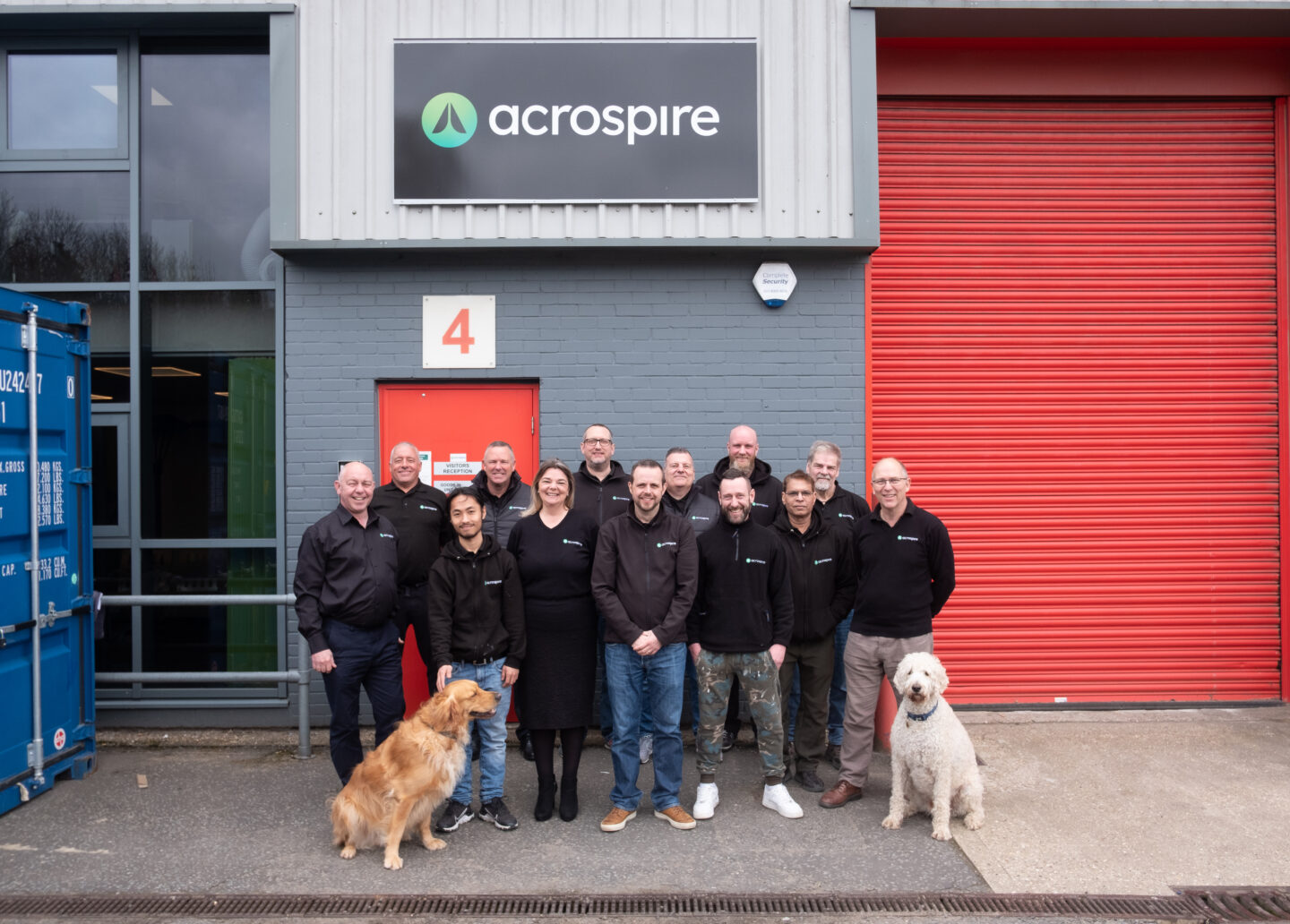
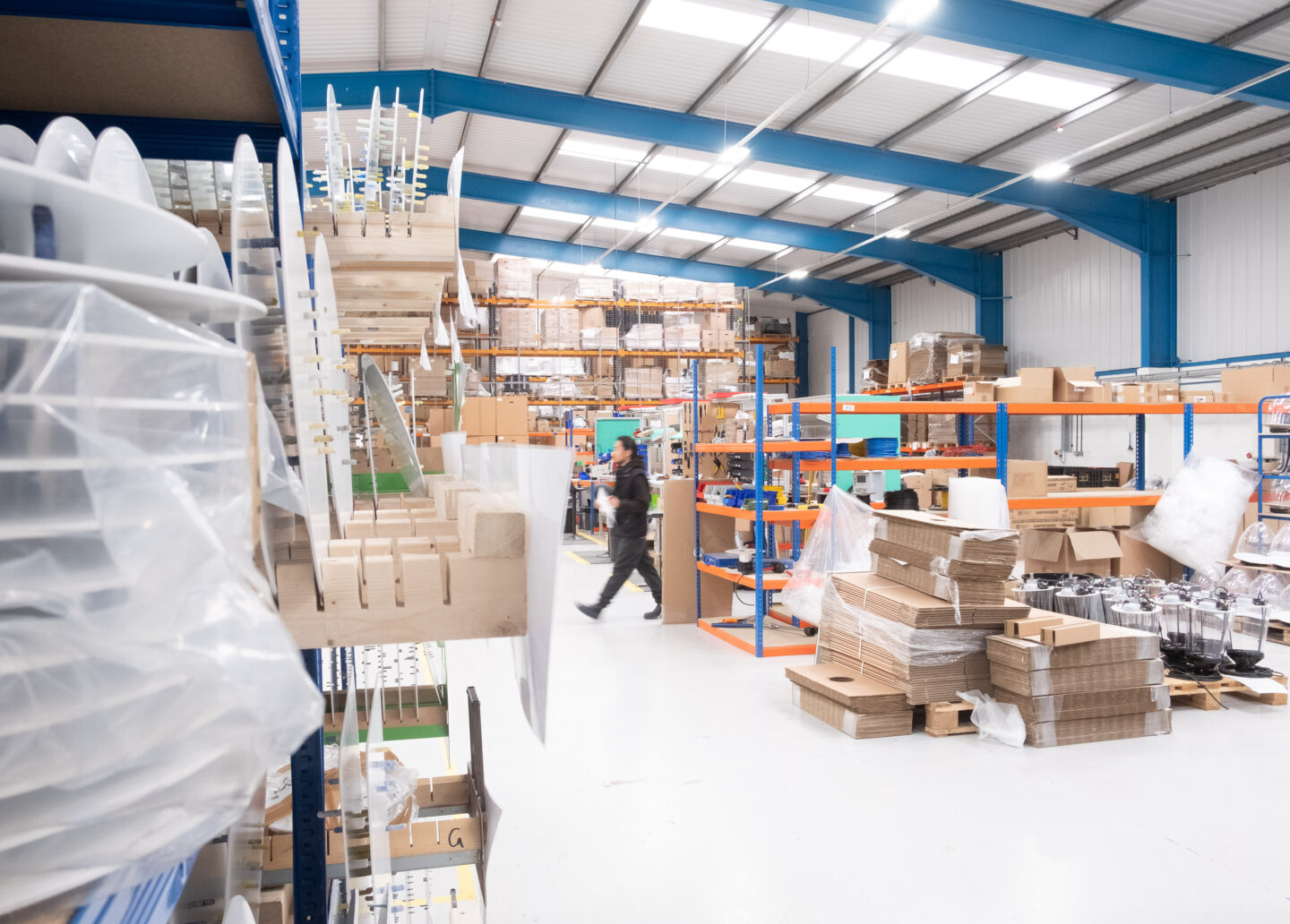
Acrospire now inhabits a 14000² ft manufacturing facility in Basingstoke, Hampshire. We’re a proud partner of the Made in Britain scheme, ISO9001 certified and a member of all relevant lighting industry trade bodies.

We've built a reputation to be proud of

Along with great relationships with our customers and a great team! We've attracted some of the most experienced members of the lighting industry, all by following one golden rule.

A simple ethos

Creating work to be proud of

That runs through all that we do. Customers who have made the switch to Acrospire have found working with us to be a breath of fresh air.

Market leading warranty

If you’re a professional in the lighting industry, you’re probably familiar with warranties that range from 3 to 10 years, with extensions available on special request or at additional cost. At Acrospire, where we’re proud to be different, we offer a market-leading simple 12-year warranty, as standard.

Tight Control on Quality

We focus on our customers not our competition. We manufacture our products in the UK: with the exception of our solar products, our supply chain is within a 60-mile radius of our factory in Basingstoke: to maintain greater control over quality. We al

Speed is key

Speed of response is crucial when it comes to resolving warranty issues. If we’ve made a mistake, we own it, get to the root cause, and fix it as quickly as possible. We believe in timely communication with our customers and making the resolution pro

Test and Test Again

We believe in independent testing and certification. Our new product development is in line with ISO 9001. Many of our products hold ENEC Certification. To meet the requirements of ENEC we also send random product samples for third party safety testi

Quality by design

Our product design is another key factor in our ability to offer a 12-year warranty. We value engineer rather than cost cut, never compromising on quality. We stick to our processes and engage with our supply chain to ensure that every product meets