
shining bright

a British lighting manufacturer with a difference

Obsessed with solving problems, not just selling 'stuff': we were born from a belief that the lighting industry deserved better.

China Top Guide to Canadian Ultra Light Cigarette Regulations

Canada’s rules for ultra-light cigarette products are shaped by public-health goals, packaging requirements, and restrictions on misleading promotion. The word “ultra-light” should not be read as proof that a cigarette is safer. Canadian regulations restrict tobacco claims and descriptors that could create a false impression of reduced harm. Details can change, so readers should check current guidance from Health Canada and the laws in their province or territory.

The distinction matters. Labels can mislead. World Health Organization Director-General Dr. Tedros Adhanom Ghebreyesus has stated, “Tobacco is one of the biggest public health threats the world has ever faced.” His warning gives useful context for understanding why governments regulate tobacco descriptions, sales, and packaging. A product’s appearance or wording cannot establish its health risk.

People searching “where to buy canadian ultra light cigarettes” should treat the phrase as a search term, not a safety recommendation. This guide focuses on how Canadian rules apply, what product descriptions mean, and how to verify information through official sources. Adults should follow the legal purchase requirements where they live and use only lawful, age-verified retail channels. Rules differ across jurisdictions. That detail is easy to miss. This introduction is not legal or medical advice, and it cannot replace current official guidance. It is also worth questioning familiar labels rather than assuming they tell the whole story.
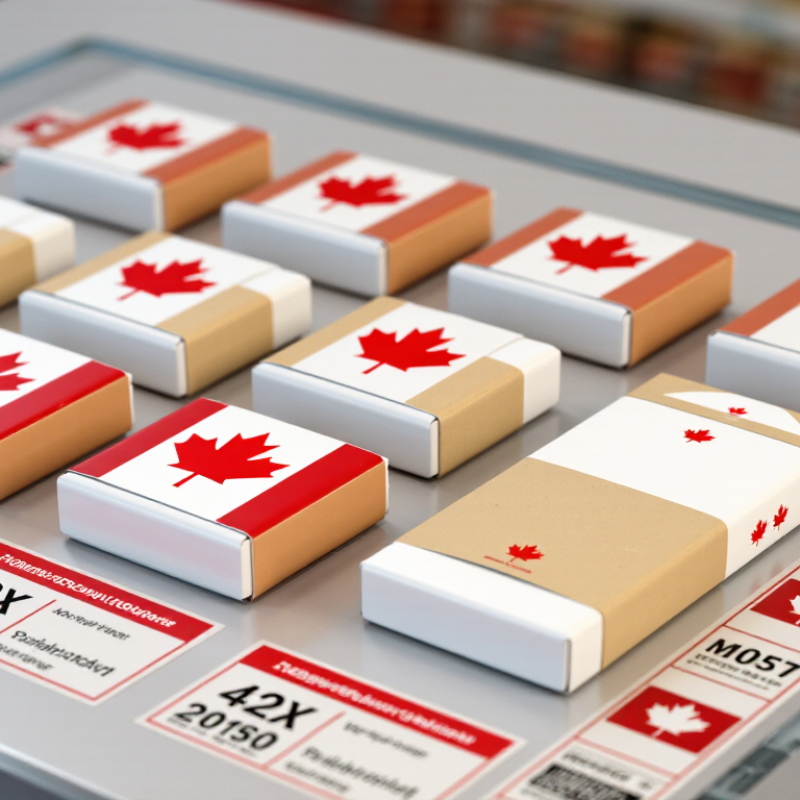
China Top Guide to Canadian Ultra Light Cigarette Regulations

Defining Ultra-Light Cigarettes Under Canadian Tobacco Law

Under Canadian tobacco law, “ultra-light” is not a separate legal category with its own tar-yield threshold. Federal rules regulate cigarettes through product standards, reporting, packaging, and promotion requirements. The Tobacco and Vaping Products Act restricts misleading tobacco promotion, while cigarette labelling rules prohibit descriptors that suggest a product is less harmful. A lower machine-measured yield does not establish lower health risk.

The wording can be confusing. A pale package or a softer-feeling draw may seem to signal a milder cigarette, but neither changes its legal classification or makes it safe. Canadian requirements focus on regulated product and label information, not a consumer-facing “ultra-light” grade. Check current guidance from Health Canada if you need to interpret a specific label or rule; regulations can change, and I may be missing details.

Tips: Read the full package information, not just prominent wording. Treat claims of reduced harm cautiously. For a legal or compliance decision, consult current federal regulations or qualified Canadian counsel. Labels matter.


Defining “Ultra-Light” Cigarettes Under Canadian Tobacco Law

Key legal propositions about cigarette descriptors and promotion in Canada

How to read the chart: 1 means the proposition is true; 0 means it is false. Canadian law does not establish a separate statutory product class called “ultra-light.” Instead, the Tobacco Act prohibits tobacco promotion that is false or misleading, or likely to create an erroneous impression about a product’s characteristics or health effects.

Sources: Tobacco Act, section 20; Tobacco Products Labelling Regulations (Cigarettes and Little Cigars).

Federal Rules for Packaging, Descriptors, and Health Warnings

In Canada, “ultra light” should not be treated as a harmless packaging phrase. Federal rules restrict descriptors and other claims that could mislead people about a tobacco product’s risks. A label suggesting that a cigarette is safer because it feels lighter may therefore raise compliance concerns.

Standardized packaging rules also limit colours, finishes, and other visual elements that could create a misleading impression. Details matter. A pale shade or subtle design is not a loophole.

Packages must carry prescribed health warnings in the required languages, locations, sizes, and formats. Requirements can vary by product and package type, so a warning cannot simply be copied from one carton onto another. Manufacturers and importers should check current federal regulations and Health Canada guidance before approving artwork or printing.

Keep records of label reviews and confirm that every package version meets the applicable specifications. This is not legal advice, and requirements can change. The wording can look straightforward; the fine print is where mistakes happen.

No descriptor changes the health risks associated with smoking.

Restrictions on Advertising, Promotion, and Retail Sales

In Canada, “ultra light” should not be treated as a permitted sales claim. Federal law restricts tobacco promotion, and terms such as “light” or “mild” can be misleading descriptors. Standardized packaging rules also limit how products appear at retail. Provincial and territorial rules restrict tobacco displays and sales practices, so retailers should check local requirements before changing shelf layouts or staff procedures.

Small details matter. A window display, shelf label, online listing, or staff recommendation may promote a product. Avoid language suggesting reduced harm, and train staff to answer questions neutrally. Health Canada’s 2022 Canadian Tobacco and Nicotine Survey reported that 11% of people aged 15 and older were current cigarette smokers. That figure provides population context, not a marketing allowance. Keep it factual. Retail teams should retain current compliance guidance and review it when rules change; a checklist helps, though it cannot replace careful judgment.

Provincial and Territorial Rules for Tobacco Products

Canada’s cigarette rules combine a federal baseline with provincial and territorial requirements. Federal packaging and advertising rules prohibit misleading health claims, including descriptions that suggest “light” or “ultra-light” cigarettes are less harmful. The Tobacco and Vaping Products Act also sets a minimum sales age; provinces and territories may set a higher one. The practical details vary. Retail licensing, product display, smoke-free spaces, and tobacco taxes can differ by jurisdiction, so a rule that applies in one province may not apply in another.

The differences matter at the counter. A retailer must check local age limits and licensing requirements, while consumers should not treat “ultra-light” as a reliable measure of reduced health risk. Health Canada’s 2022 Canadian Tobacco and Nicotine Survey reported that 11.4% of people aged 15 and older were current cigarette smokers. That national figure does not show how provincial policies affect individual choices. The Canadian Cancer Society’s provincial tobacco-control reports also track differences in legislation across jurisdictions. Rules can change, and this overview cannot replace checking the current provincial or territorial guidance. One detail is easy to overlook: the same federal product standard can sit beside different local sales and smoke-free rules.

Importing Ultra-Light Cigarettes into Canada: Key Requirements

Importing Ultra-Light Cigarettes into Canada: Key Requirements

“Ultra-light” does not create a separate import exemption in Canada. Before shipping, confirm the product’s classification, country of origin, quantity, and intended use. Commercial and personal imports can face different rules. A Canadian customs broker can help identify the documents and declarations required for a specific shipment. Small details matter.

Tobacco products may be subject to customs duties, excise duty, and applicable taxes. Commercial importers should verify licensing and excise-stamp requirements before goods leave the supplier. Packaging must also meet Canadian rules, including prescribed health warnings and applicable presentation requirements. Do not assume foreign-language packaging or labels will be accepted as-is.

The term “ultra-light” deserves careful review. Canadian rules restrict misleading tobacco promotion and certain descriptors, so do not assume this wording is permitted on packaging or in marketing. Check current Health Canada and Canada Border Services Agency guidance before ordering, and request product specifications from the manufacturer. Keep invoices, shipping records, and classification advice together. Rules can change, and a tidy checklist may still miss a detail.

Our story

When The Light Went On

The idea for Acrospire was formed in 2012 when founder Tim envisioned a different kind of lighting manufacturer: one that would not only deliver outstanding customer experiences but also prioritise fair treatment for its employees.

We’ve come a long way

Working from any nook and cranny we could find

Motivated by the belief the industry wanted and needed better, Tim shared his plan to establish his own venture with Hatty, who simply couldn't let him do it alone.

The rest, as they say, is history.

Protecting local jobs and ensuring the best quality possible.

The products sold should, where possible be manufactured here in the UK

Working from a rented office by day and assembling lanterns in a garage at night, Tim and Hatty set to work.

11 Years later

and a lot has changed

Acrospire now inhabits a 14000² ft manufacturing facility in Basingstoke, Hampshire. We’re a proud partner of the Made in Britain scheme, ISO9001 certified and a member of all relevant lighting industry trade bodies.

We've built a reputation to be proud of

Along with great relationships with our customers and a great team! We've attracted some of the most experienced members of the lighting industry, all by following one golden rule.

A simple ethos

Creating work to be proud of

That runs through all that we do. Customers who have made the switch to Acrospire have found working with us to be a breath of fresh air.

Market leading warranty

If you’re a professional in the lighting industry, you’re probably familiar with warranties that range from 3 to 10 years, with extensions available on special request or at additional cost. At Acrospire, where we’re proud to be different, we offer a market-leading simple 12-year warranty, as standard.

Tight Control on Quality

We focus on our customers not our competition. We manufacture our products in the UK: with the exception of our solar products, our supply chain is within a 60-mile radius of our factory in Basingstoke: to maintain greater control over quality. We al

Speed is key

Speed of response is crucial when it comes to resolving warranty issues. If we’ve made a mistake, we own it, get to the root cause, and fix it as quickly as possible. We believe in timely communication with our customers and making the resolution pro

Test and Test Again

We believe in independent testing and certification. Our new product development is in line with ISO 9001. Many of our products hold ENEC Certification. To meet the requirements of ENEC we also send random product samples for third party safety testi

Quality by design

Our product design is another key factor in our ability to offer a 12-year warranty. We value engineer rather than cost cut, never compromising on quality. We stick to our processes and engage with our supply chain to ensure that every product meets