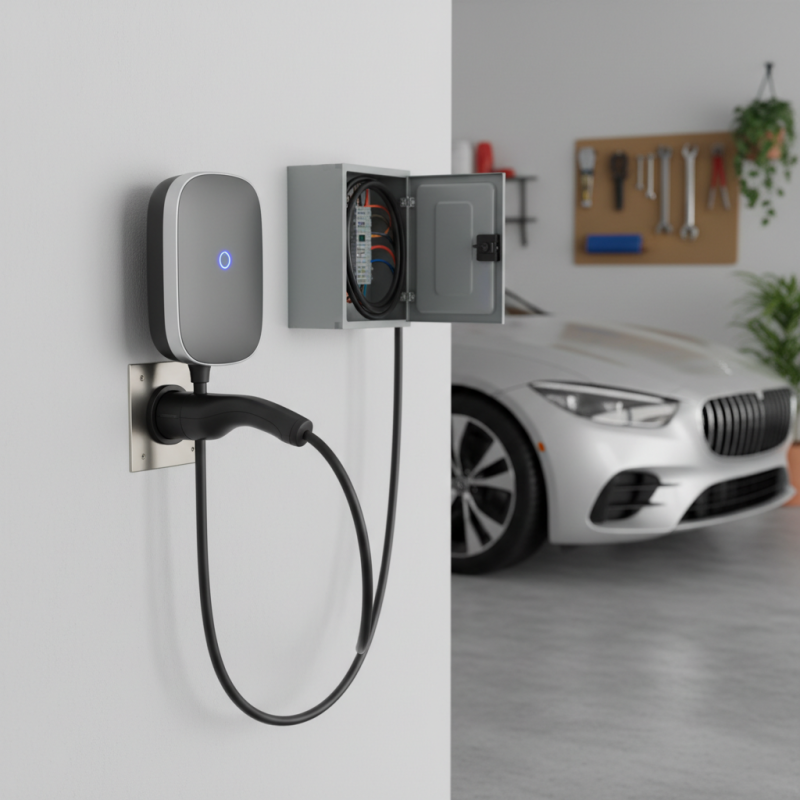
Best Ev Charger Wall Plug Options for Home Charging?
As electric vehicles gain popularity, having a reliable Ev Charger Wall Plug is essential for home charging. Choosing the right charger can seem overwhelming. Many options exist, each with unique features and benefits.
When selecting an EV Charger Wall Plug, consider power output, installation process, and compatibility with your vehicle. For example, a Level 2 charger may charge faster than a Level 1 option. Speed is vital for those with a hectic lifestyle.
However, not all homes have the same electrical setup. You might need to upgrade your electrical panel or wiring. This can affect your budget and installation timeline. These factors can lead to a few moments of hesitation, as the best choice isn't always clear. Overall, finding the perfect EV Charger Wall Plug requires careful consideration and planning.
Types of EV Chargers for Home Use
When choosing an EV charger for home use, it's essential to understand the main types available. Level 1 chargers utilize a standard 120V outlet. They’re easy to install but are quite slow. Typically, they add about 3-5 miles of range per hour. Many homeowners appreciate the convenience, but longer charging times are a downside.
Level 2 chargers, on the other hand, require a 240V circuit. These can deliver up to 25 miles of range per hour. They are more efficient and ideal for daily charging needs. According to industry reports, 75% of EV owners prefer Level 2 charging at home due to quicker turnaround times. However, their installation may involve higher costs and professional assistance.
**Tip:** Consider your daily driving habits. If you drive less than 30 miles a day, Level 1 could suffice. But for frequent longer trips, a Level 2 charger is better.
Another option is the DC fast chargers. They are rare for home installations. They provide rapid charging but are generally more suited for commercial areas. The complexity and costs can be significant.
**Tip:** Check local incentives for installing EV chargers. You might save on installation fees.
Best EV Charger Wall Plug Options for Home Charging
This chart represents the distribution of different types of EV chargers that are commonly used for home charging. The data indicates the popularity and characteristics of each type of charger.
Factors to Consider When Choosing a Wall Plug Charger
When selecting a wall plug charger for home EV charging, there are key factors to keep in mind. The power output is crucial. Higher wattage means quicker charging. However, ensure your home's electrical system can support it. Compatibility with your vehicle model is essential too. Not all chargers work with every electric car. Check your vehicle’s specifications to avoid disappointment later.
Tips: Always consult an electrician. They can assess your home’s wiring and suggest safe options. Consider future needs as well. If you plan to buy another EV, choose a versatile charger that fits multiple models.
Installation is another important aspect. Some chargers require professional setup, while others can be a DIY project. Take note of available space. The charger should be easily accessible, without hazards like water exposure. A location near your parking spot is ideal.
In addition, monitor your energy consumption. High usage may lead to increased bills. Select a smart charger that tracks usage and schedules charging times. This can help optimize costs. Balancing efficiency and convenience can be tricky, but it’s essential for long-term use.
Top Brands and Models of EV Wall Plug Chargers
When choosing the best EV wall plug chargers, it's vital to consider power levels. Many chargers offer a range of 3.7 kW to 22 kW. The level 2 chargers are most popular for home use, providing an optimal balance of charge speed and cost. According to industry reports, a level 2 charger can add about 25 miles of range for every hour of charging. This information highlights efficiency in recharging EVs for daily commutes.
The design of these chargers also plays a significant role. Compact, user-friendly models are thriving in the market. Some chargers come equipped with smartphone connectivity. This feature allows users to monitor charging status remotely. However, connectivity issues can be a drawback. Reports suggest that nearly 10% of users face disruptions. It’s essential to choose models with reliable user feedback and performance reviews.
Safety features must not be overlooked. Many high-quality models offer surge protection and weatherproof designs. The underestimation of environmental factors may lead to damaged chargers. According to surveys, 30% of home EV owners experience safety concern issues. Evaluating the top brands often reveals a mix of superior performance and some products that fail in this area, leading to important considerations for potential buyers.
Installation Requirements and Guidelines for Home Chargers
When installing a home electric vehicle (EV) charger, understanding the requirements is crucial. Most homes need a dedicated circuit for the charger, generally rated at 240 volts. This ensures efficient charging rates. According to industry reports, a Level 2 charger typically adds about 25 miles of range per hour. It can significantly reduce charging time compared to standard wall sockets.
Before installation, check local building codes. Some regions may require a licensed electrician for installation. This helps ensure safety and compliance with regulations. Additionally, consider the location of the charger. It should be easily accessible and away from areas prone to water exposure.
Tip: Always verify the amperage requirements for your EV charger and ensure your home’s electrical panel can support it. This often involves looking at the capacity of your panel. If it is outdated, an upgrade may be necessary.
Another essential element is the cable length. Insufficient length may force you to park awkwardly or stretch the cable. It’s worth measuring the distance from your EV to the charging outlet. This simple step can save a lot of hassle later on. Remember, improper installation can lead to overheating or even electrical failures.
Cost Analysis and Incentives for Home EV Charging Solutions
Home charging for electric vehicles (EVs) offers both convenience and cost savings. Recent data indicates that the average cost to install a home EV charger ranges from $500 to $1,500. This price may fluctuate based on installation requirements and local labor costs. Installing a Level 2 charger can increase the efficiency of your charging process. For many, this means significant savings over time.
Incentives can ease the financial burden. Federal tax credits may cover up to 30% of installation costs. Some states and local utilities also provide rebates, reducing upfront expenses. According to industry reports, these incentives can vary widely. Some homeowners end up saving an additional $1,000 to $2,000 thanks to these programs.
Tips for homeowners: Check local regulations regarding permits; skip this step at your own risk. Research available rebates before purchasing equipment. Additionally, consider your parking situation—an inaccessible charger can lead to frustration and additional costs. Remember, not all homes are ideal; assess if your electrical system can handle a new EV charger. This can reduce unforeseen expenses later.