2026 Best Sodium Hypochlorite Generator for Buyers?
Choosing the right Sodium Hypochlorite Generator in 2026 is less about finding the biggest output rating and more about matching equipment to daily demand. A municipal plant, food-processing site, and commercial pool may need very different production rates, operating schedules, and support. Start with the basics: required output, expected operating hours, feedwater quality, salt use, and available electrical supply. Small details matter. A cramped equipment room can make routine inspection harder.
Buyers should also compare cell materials, control-system clarity, alarm functions, and the availability of replacement parts. Ask suppliers for documented capacity data under stated operating conditions, not just a headline figure. Check how the system handles changing demand, what maintenance intervals are recommended, and whether local technical support is practical. Clear operating instructions and suitable safety features deserve close attention, too. They are not decorative extras.
A polished brochure can make every model look effortless. Real operation is less tidy. Water quality varies, operators change, and maintenance sometimes slips. That is worth admitting. The best choice is the generator whose performance, service plan, and operating requirements your team can verify and sustain. Compare lifecycle costs alongside purchase price, and ask for references from facilities with similar workloads. This guide explores those questions and helps buyers assess options without treating a single specification as the whole story. Before signing, confirm that the proposed configuration fits your site, staffing, and applicable requirements.
What Is a Sodium Hypochlorite Generator?
What Is a Sodium Hypochlorite Generator?
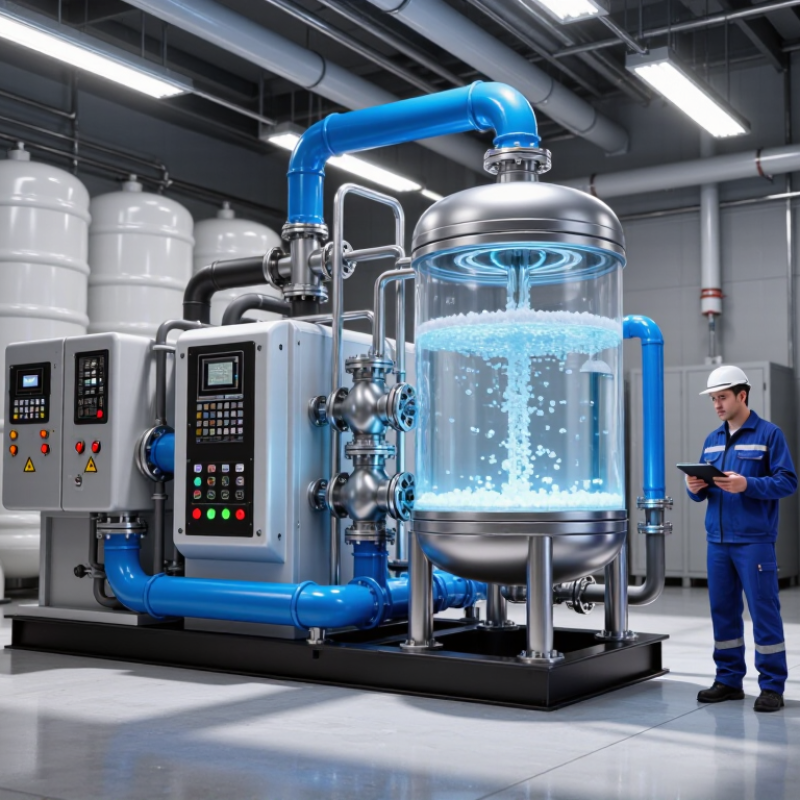
A sodium hypochlorite generator makes a disinfecting solution on site, typically by passing electric current through salt water. The process is called electrolysis. In a typical system, brine flows through an electrolytic cell, where salt and water form a dilute sodium hypochlorite solution. The equipment may include a salt tank, softening or filtration components, a power supply, controls, and storage.
It is not simply a container that mixes salt and water. Cell design, brine quality, water hardness, temperature, and electrical settings can affect output and reliability. Some systems also produce hydrogen, so proper ventilation and installation matter. Operators should follow the equipment instructions and use suitable monitoring to verify solution strength. Small details count.
For buyers, the useful question is whether the generator can meet the site’s actual demand, not just its advertised maximum output. Compare daily capacity, operating needs, maintenance access, and the method used to check concentration. Ask how often cells need cleaning and what water quality the unit requires. A lower purchase price can hide extra upkeep. And specifications alone do not tell the whole story: real operating conditions may differ from the figures on a product sheet.
How Does On-Site Hypochlorite Generation Work?
On-site sodium hypochlorite generation turns salt, water, and electricity into disinfectant near the point of demand. A brine tank dissolves measured sodium chloride in water, and a feed system delivers the solution to an electrolyzer. Direct current passes through the cell, producing hypochlorite solution and hydrogen gas. The product is usually dilute, so it can be dosed soon after generation rather than stored in large volumes.
Operators monitor brine strength, flow, cell voltage, temperature, and product concentration. These readings can reveal scale buildup, blocked lines, or declining cell performance. Exact settings depend on water chemistry and equipment design; hard water may require pretreatment. Hydrogen needs safe venting, and electrical components need routine inspection. The process is straightforward, but not self-managing. A missed calibration can quietly weaken disinfection.
Tips: Keep salt dry and free of debris. Inspect the brine tank and injection line during routine rounds. Record output concentration; yesterday’s setting may no longer be accurate. Store product away from heat and sunlight, which speed strength loss. Verify dosing at the point of use, too. A generator can run normally while downstream mixing remains poor.
Which Generator Types and Capacity Options Are Available?
Sodium hypochlorite generators generally use dilute-brine electrolysis or seawater electrochlorination. Brine systems suit sites needing controlled, on-site production; seawater units can fit coastal facilities with suitable intake water. Small plants differ. Capacity is usually specified by chlorine output per hour or day, from smaller gram-per-hour units to modular kilogram-per-hour systems. Choose against average demand, peak flow, and storage needs—not just the daily average. A unit sized too tightly may struggle during demand spikes; an oversized unit can cycle inefficiently.
The World Health Organization’s 2022 Guidelines for Drinking-water Quality identify 0.2 mg/L as a minimum free-chlorine residual at the point of delivery under normal conditions. That figure is an operating reference, not a generator-sizing formula: water quality, contact time, and chlorine demand also affect the required production rate. Ask suppliers for capacity curves, output concentration, salt and power consumption, and performance under your actual water conditions. The less glamorous details matter.
Tips: Log hourly water use and seasonal chlorine demand before comparing capacities. Leave room for maintenance downtime, and verify that the proposed output matches your dosing equipment. Pilot data helps; assumptions can miss.
How to Compare Safety, Efficiency, and Operating Costs
2026 Best Sodium Hypochlorite Generator for Buyers?
How to Compare Safety, Efficiency, and Operating Costs
A generator’s rated output is only a starting point. Compare models using the same available-chlorine concentration, daily demand, and operating hours. On-site generation can reduce the need to store and handle delivered hypochlorite, but it creates hydrogen gas. The NIOSH Pocket Guide to Chemical Hazards lists hydrogen’s flammable range as 4% to 75% by volume in air. Ask suppliers for documented ventilation, gas-detection, and shutdown provisions, then have site-specific risks reviewed by qualified staff. Small details matter.
For efficiency, track electricity and salt consumed per kilogram of available chlorine, along with water use and cell-cleaning frequency. For costs, include replacement cells, maintenance labor, monitoring, and downtime—not just the purchase price. WHO’s Guidelines for Drinking-water Quality use a free-chlorine residual of at least 0.2 mg/L at the point of delivery as a practical benchmark for piped supplies. Compare systems against your actual treatment target, not a generic output claim. A spreadsheet can still miss awkward maintenance routines; ask operators what takes the most time.
Tips: Request a written performance test at your expected flow and water temperature. Record kWh, salt use, output, and residual chlorine during the trial. Skip estimates that do not state their assumptions.
2026 Best Sodium Hypochlorite Generator for Buyers? How to Compare Safety, Efficiency, and Operating Costs
This chart shows the ideal stoichiometric material balance for producing 1 kg of available chlorine equivalent by sodium hypochlorite electrolysis: approximately 0.824 kg of sodium chloride, 0.254 kg of water, 1.050 kg of sodium hypochlorite, and 0.028 kg of hydrogen. Actual consumption and output vary with operating conditions and system design. When comparing generators, request measured energy and salt consumption, available-chlorine output, and operating-cost data; also verify hydrogen ventilation and other site-specific safety provisions.
What to Check Before Buying and Installing a Generator
2026 Best Sodium Hypochlorite Generator for Buyers?
What to Check Before Buying and Installing a Generator
Before buying a sodium hypochlorite generator, size it using measured peak chlorine demand, not a convenient average. Record flow, raw-water temperature, pH, and seasonal demand at the treatment point.
WHO’s Guidelines for Drinking-water Quality (2022 addenda) identify 0.2 mg/L free chlorine as a minimum residual at delivery. Your operating target still depends on water quality and applicable requirements. Treat that figure as a design check, not a universal setting.
One uncertainty remains: demand records are often incomplete.
Compare rated output with peak demand and the dosing pump’s stable feed range. Check salt purity and feedwater hardness against the equipment specification; scale can quietly reduce cell output.
Before installation, verify ventilation for hydrogen, drainage, electrical supply, alarms, and safe maintenance access. Allow room to work.
The U.S. EPA’s Alternative Disinfectants and Oxidants Guidance Manual notes that heat, light, and storage time can weaken hypochlorite solutions. Keep the solution area shaded, log output concentration, and verify residuals with calibrated tests.
Operators may size for normal days and regret it during warm, high-demand weeks. Review actual operating records before fixing capacity.